Colorado homeowners are no strangers to dramatic weather swings, but many people underestimate how much intense summer heat can affect concrete surfaces over time. In communities like Castle Rock, Parker, Castle Pines, and throughout the Front Range,
concrete driveways are exposed to prolonged UV radiation, fluctuating temperatures, dry conditions, and heavy daily sun exposure during the hottest months of the year.
These environmental factors can gradually contribute to cracking, discoloration, surface deterioration, and premature wear if concrete is not properly installed and maintained.
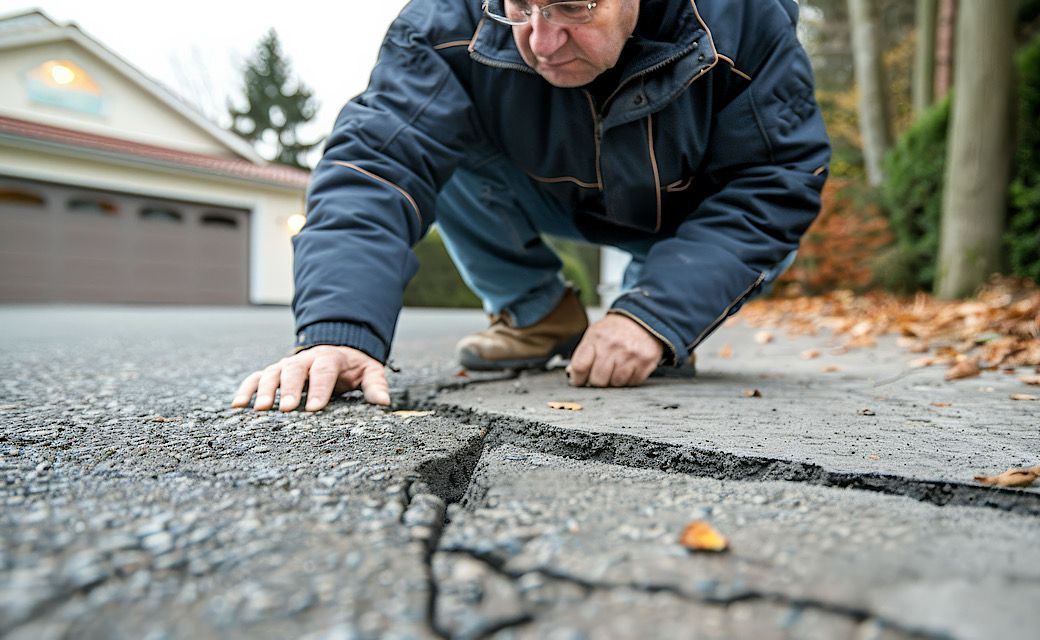
For many homeowners, driveway damage seems to appear suddenly. Small surface imperfections expand, minor cracks become more noticeable, and sections of concrete may begin showing signs of stress after multiple hot summers. However, most concrete deterioration develops gradually due to ongoing exposure to heat, moisture fluctuations, soil movement, and seasonal expansion and contraction.
Creteworx regularly works with homeowners throughout Castle Rock who are dealing with driveway wear caused by Colorado’s demanding climate conditions. From firsthand experience in concrete installation and repair environments, one of the most common misconceptions homeowners have is that only freezing winter temperatures damage concrete. In reality, extreme summer heat can place substantial stress on concrete surfaces as well, especially when installation quality, drainage, curing conditions, or long-term maintenance are overlooked.
According to the Portland Cement Association, concrete naturally expands and contracts as temperatures change. Repeated thermal movement combined with moisture loss, UV exposure, and soil shifting can eventually contribute to surface cracking and structural stress over time. Colorado’s combination of high elevation, intense sunlight, and dry summer conditions often accelerates these challenges compared to milder climates.
Understanding how heat affects concrete driveways — and what
preventative maintenance strategies help reduce long-term damage — can help Castle Rock homeowners protect their investment and extend the life of their concrete surfaces.
The Four Biggest Ways Summer Heat Affects Concrete Driveways
1. Extreme Heat Causes Concrete Expansion and Surface Stress
Concrete naturally expands when exposed to high temperatures.
During Colorado summers, driveway surfaces may absorb substantial heat throughout the day, especially in areas with prolonged direct sunlight. Darker surfaces and south-facing driveways often become significantly hotter during peak afternoon temperatures.
As concrete heats up, it expands slightly. While this movement may seem minor, repeated cycles of:
- Daytime heat expansion
- Nighttime cooling contraction
- Seasonal temperature fluctuations can gradually place stress on the concrete over time.
From practical concrete installation experience, expansion-related stress becomes more noticeable when:
- Control joints are improperly spaced
- Expansion joints deteriorate
- Concrete curing was rushed
- Subgrade preparation was insufficient
- Drainage issues exist beneath the slab
According to the American Concrete Institute, proper joint placement plays a critical role in helping concrete accommodate natural movement caused by thermal changes.
Without adequate flexibility and support, expanding concrete may eventually develop:
- Surface cracking
- Joint separation
- Edge deterioration
- Uneven slab movement
In Colorado’s climate, repeated summer heat cycles combined with winter freeze-thaw conditions can compound these stresses year after year.
2. Rapid Moisture Loss Can Increase Cracking Risks
Hot weather can also affect concrete by accelerating moisture evaporation.
Concrete relies on controlled curing processes to develop long-term strength and durability. During extremely hot or dry conditions, moisture may evaporate too quickly from the surface, particularly if concrete is improperly installed or insufficiently protected during curing.
From firsthand industry observation, rapid moisture loss is one of the leading contributors to early surface cracking during summer concrete projects.
Common heat-related issues may include:
- Shrinkage cracking
- Surface weakening
- Dusting or scaling
- Reduced long-term durability
- Uneven curing patterns
Castle Rock’s low humidity and strong summer sun exposure can increase these risks substantially if contractors fail to account for environmental conditions during installation.
Professional concrete contractors often adjust installation methods during hot weather by:
- Modifying pour schedules
- Using curing compounds
- Monitoring moisture retention carefully
- Managing surface temperatures during finishing
- Protecting fresh concrete from excessive drying
Even older driveways may become more vulnerable over time if repeated heat exposure gradually reduces moisture content and increases surface brittleness.
3. UV Exposure and Surface Heat Accelerate Wear
Colorado’s elevation creates stronger UV exposure than in many other parts of the country, which can contribute to long-term driveway deterioration.
While UV radiation does not directly “melt” concrete, prolonged exposure combined with intense heat can gradually affect:
- Sealers
- Decorative finishes
- Surface coloration
- Protective coatings
From practical concrete maintenance experience, driveways that lack proper sealing often show signs of wear faster under Colorado sun exposure.
Common heat-related surface problems may include:
- Fading or discoloration
- Surface dryness
- Minor pitting
- Accelerated sealer breakdown
- Increased visibility of surface imperfections
Driveways exposed to:
- Heavy vehicle traffic
- Direct southern sunlight
- Poor drainage
- Minimal maintenance often results in faster cosmetic deterioration during hot summer conditions.
Routine maintenance can help reduce these issues significantly.
Homeowners should periodically inspect driveways for:
- Small developing cracks
- Worn sealant areas
- Joint deterioration
- Drainage pooling
- Surface scaling
Addressing
minor issues early often helps prevent larger structural repairs later.
4. Preventive Maintenance Extends Concrete Lifespan
One of the most important things homeowners can do is maintain concrete proactively rather than waiting for visible damage to worsen.
According to the Portland Cement Association, regular inspection and maintenance can help extend the lifespan of concrete surfaces significantly.
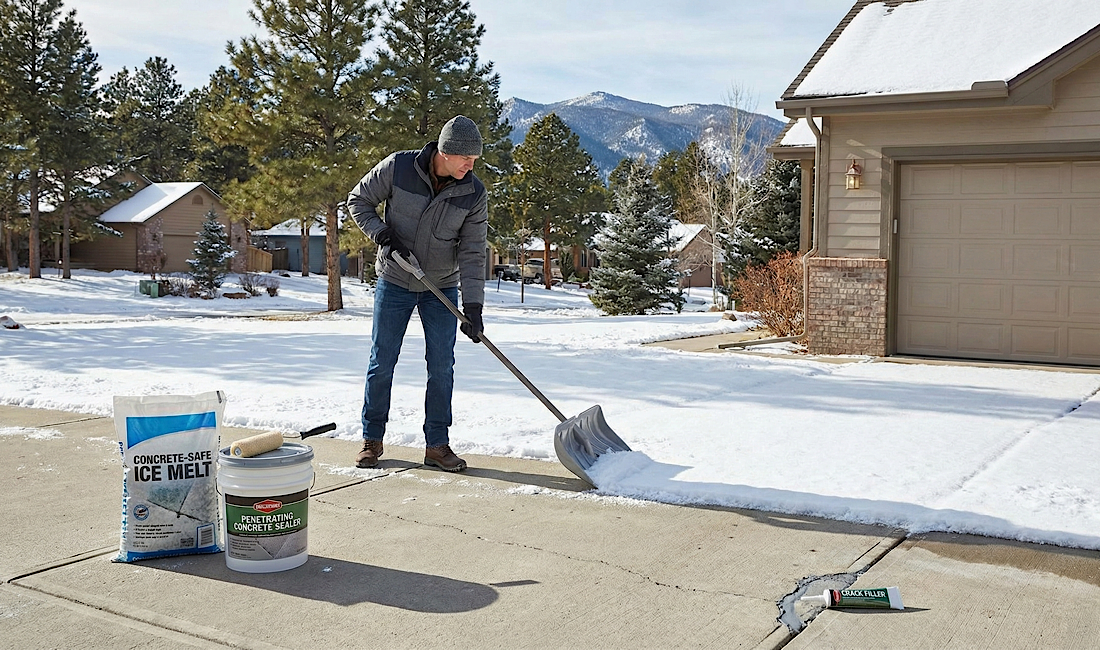
From firsthand contractor experience, preventative care often includes:
Proper drainage is especially important in Castle Rock because expanding soils and moisture fluctuations can place additional stress on driveway slabs beneath the surface.
Professional inspections may also identify early warning signs homeowners overlook, including:
- Subgrade settling
- Joint movement
- Surface scaling
- Drainage failures
- Expansion-related stress points
For homeowners planning long-term property maintenance,
proactive driveway care often costs substantially less than major replacement or structural repair work later.
Frequently Asked Questions About Concrete Driveways and Summer Heat
Can hot weather crack a concrete driveway?
Yes. Repeated expansion, contraction, moisture loss, and thermal stress can contribute to cracking over time, especially if installation or maintenance issues exist.
Does Colorado heat damage concrete faster?
Colorado’s high elevation, intense sunlight, dry conditions, and temperature swings can accelerate certain types of concrete wear and surface deterioration.
Why does concrete expand during the summer?
Concrete naturally expands as temperatures rise and contracts as temperatures cool, creating repeated movement cycles over time.
Should concrete driveways be sealed in Colorado?
Yes. Proper sealing helps protect against moisture intrusion, UV exposure, surface wear, and long-term deterioration.
How can homeowners protect concrete driveways during summer?
Routine sealing, crack repair, drainage maintenance, and professional inspections can help extend concrete lifespan and reduce heat-related damage.
For homeowners throughout Castle Rock and surrounding Colorado communities, summer heat can place substantial long-term stress on concrete driveways if proper installation and maintenance are overlooked. Understanding how Colorado’s climate affects concrete surfaces allows homeowners to address small issues early before they develop into larger structural problems.
Creteworx provides professional concrete installation, repair, and
maintenance services designed specifically for Colorado’s demanding climate conditions. By combining quality workmanship, proper preparation methods, and long-term preventative strategies, homeowners can better protect their concrete driveways from heat-related wear, cracking, and premature deterioration.