Colorado homeowners often focus on snow, ice, and winter weather when thinking about driveway damage, but summer sun exposure can be just as hard on concrete over time. Throughout Castle Rock and surrounding Front Range communities,
concrete driveways endure intense UV radiation, high surface temperatures, dry conditions, and dramatic daily temperature swings during the hottest months of the year. Without proper care, prolonged sun exposure can gradually contribute to fading, surface wear, cracking, and premature deterioration.
Many driveway problems that appear years later begin with small maintenance issues homeowners overlook during the summer. Sealers wear down, minor cracks widen, surface moisture evaporates too quickly, and UV exposure slowly weakens protective layers. While concrete is durable, it still requires ongoing maintenance to perform well under Colorado’s demanding climate conditions.
Creteworx regularly works with homeowners throughout Castle Rock who want to protect their concrete driveways from long-term environmental damage while preserving curb appeal and structural integrity. From firsthand experience in concrete maintenance and repair projects, one of the biggest misconceptions homeowners have is that concrete is entirely maintenance-free. In reality, proactive care plays a major role in preventing surface deterioration caused by years of sun exposure and seasonal weather stress.
According to the Portland Cement Association, proper maintenance and surface protection help improve concrete durability and reduce environmental wear over time. Colorado’s elevation adds another layer of stress because stronger UV exposure and rapid temperature fluctuations can accelerate surface aging faster than in many lower-elevation regions.
Understanding how sunlight affects concrete — and learning practical ways to reduce heat-related wear — can help homeowners extend driveway lifespan while minimizing costly future repairs.
The Four Best Ways to Protect Concrete Driveways From Sun Damage
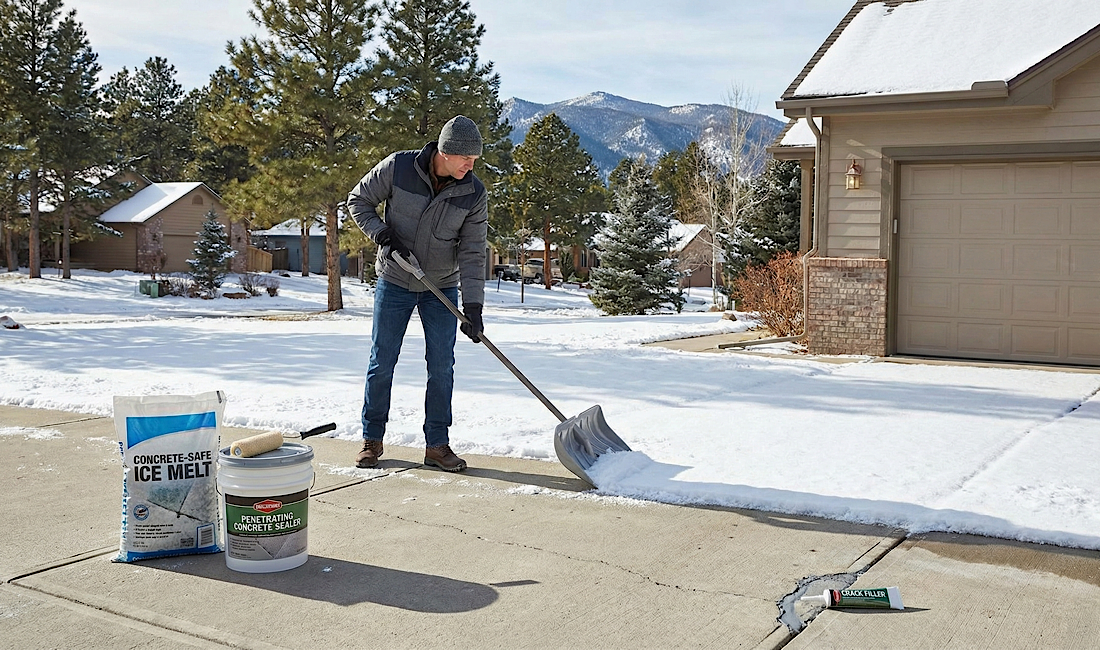
1. Seal the Concrete Surface Regularly
One of the most effective ways to protect a driveway from sun damage is by maintaining a quality
concrete sealer.
Concrete sealers create a protective barrier that helps reduce:
- UV exposure effects
- Moisture intrusion
- Surface fading
- Premature wear
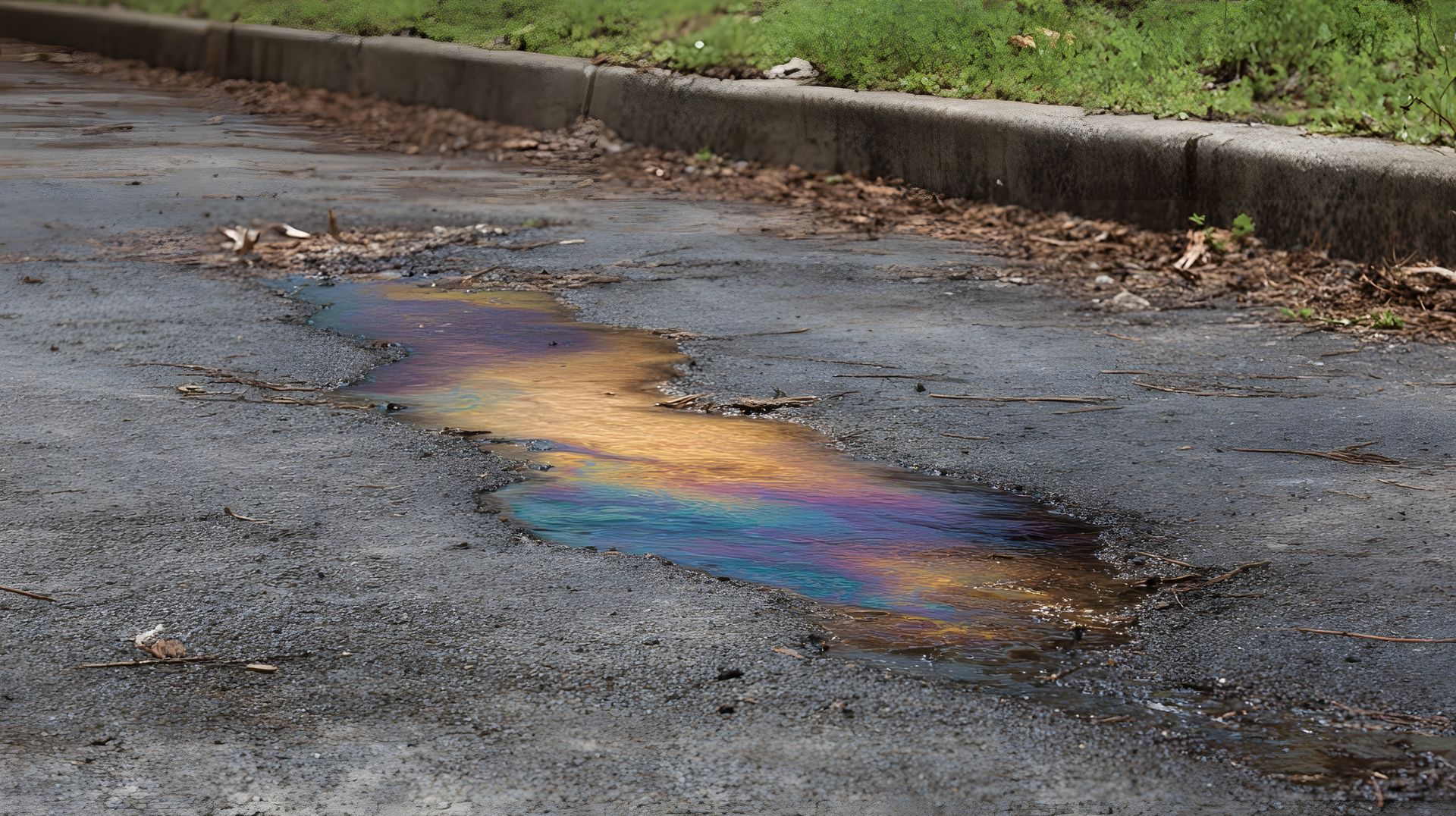
- Staining from automotive fluids
- Surface drying during extreme heat
From practical contractor experience, unsealed driveways often show visible signs of aging much sooner under Colorado’s intense summer sun.
Over time, UV exposure can gradually break down surface protection, leaving the concrete more vulnerable to:
- Color fading
- Surface brittleness
- Minor cracking
- Moisture penetration
- Surface scaling
According to the National Ready Mixed Concrete Association, sealing concrete surfaces can help improve durability and long-term appearance retention.
Homeowners should periodically inspect driveways for signs that resealing may be needed, including:
- Water absorbs quickly into the surface
- Faded appearance
- Uneven coloring
- Dry or chalky texture
- Increased visibility of minor surface imperfections
Professional contractors can recommend sealing schedules based on:
- Driveway age
- Sun exposure levels
- Vehicle traffic
- Existing surface condition
- Previous maintenance history
In Colorado’s climate, maintaining consistent sealer protection is one of the most important long-term preventative maintenance steps homeowners can take.
2. Address Small Cracks Before Heat Makes Them Worse
Concrete naturally expands during hot weather and contracts again as temperatures cool. Over time, these repeated movement cycles place stress on the driveway surface.
Small cracks may seem minor initially, but prolonged heat exposure can gradually worsen them by allowing:
- Moisture intrusion
- Soil movement beneath the slab
- Expansion-related pressure
- Additional surface stress
From firsthand repair experience, many
larger driveway problems begin as small hairline cracks that homeowners ignore for multiple seasons.
Homeowners should inspect concrete periodically for:
- Hairline cracking
- Joint separation
- Surface pitting
- Minor corner cracking
- Expansion joint deterioration
Addressing these issues early may help reduce:
- Larger crack development
- Water penetration beneath slabs
- Freeze-thaw damage during winter
- Uneven settling over time
According to the American Concrete Institute, controlling water infiltration and maintaining joints properly are important parts of preserving concrete performance long-term.
Professional evaluations may also help determine whether cracking is cosmetic or related to larger drainage or subgrade movement concerns.
3. Improve Drainage Around the Driveway
While sunlight and heat create surface stress,
poor drainage often compounds the problem beneath the concrete.
Colorado’s climate creates repeated moisture fluctuations throughout the year. Sudden summer storms, irrigation runoff, and improperly directed drainage can saturate soil beneath the driveway before dry conditions return quickly. This cycle of expansion and contraction beneath the slab may contribute to shifting and cracking over time.
From practical installation and repair experience, drainage-related issues are one of the leading contributors to premature driveway deterioration.
Homeowners should monitor for:
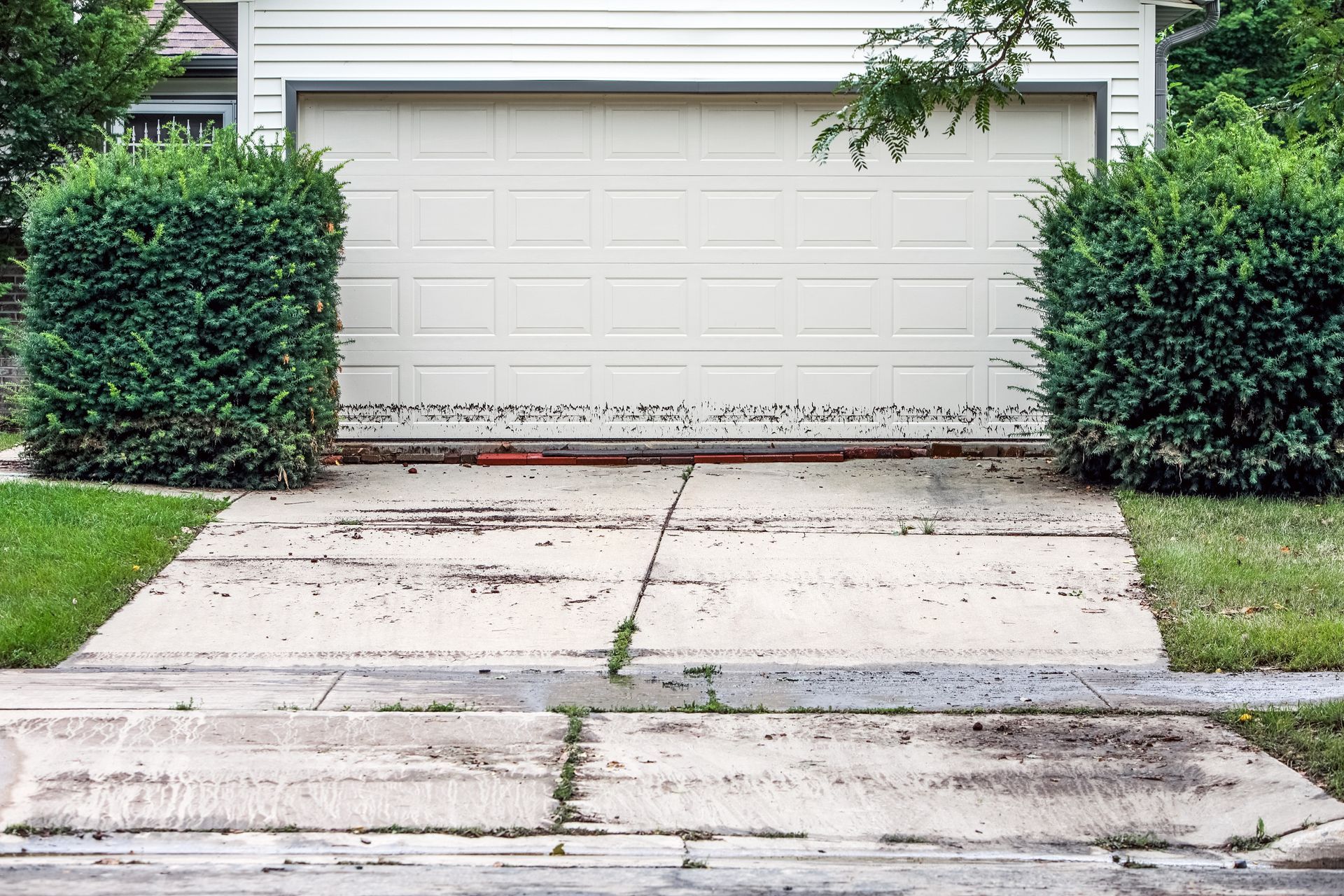
- Standing water after storms
- Erosion near driveway edges
- Sprinkler overspray
- Downspouts draining near the slab
- Soil settlement around concrete sections
Poor drainage can increase the risks of:
- Uneven slab movement
- Joint stress
- Surface cracking
- Soil erosion beneath the driveway
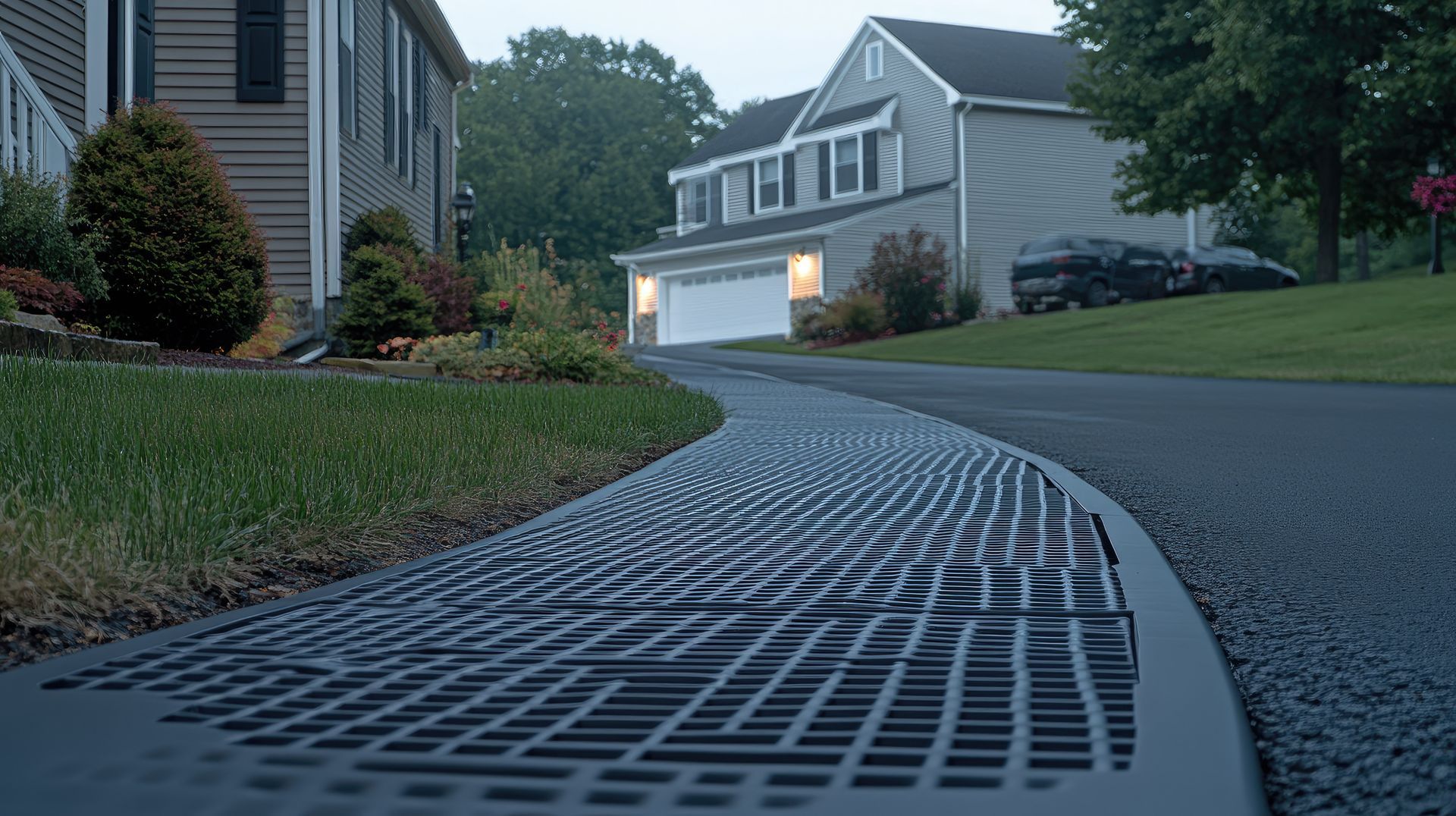
Maintaining proper grading and water flow around the property helps reduce unnecessary stress while improving long-term driveway stability.
Driveways exposed to repeated moisture buildup followed by extreme drying conditions often experience accelerated wear compared to surfaces with balanced drainage conditions.
4. Reduce Excessive Surface Stress During Extreme Heat
During peak summer afternoons, concrete driveway surfaces can become significantly hotter than many homeowners realize.
Repeated exposure to high temperatures may gradually increase:
- Surface expansion stress
- Joint pressure
- Sealer deterioration
- Surface dryness
- Visible wear patterns
From firsthand contractor observation, driveways with darker decorative finishes or prolonged direct sunlight often experience faster cosmetic aging during Colorado summers.
Homeowners can help reduce unnecessary stress by:
- Avoiding heavy vehicle parking in the exact same location constantly
- Cleaning automotive fluid spills promptly
- Keeping expansion joints clear of debris
- Monitoring decorative coatings or finishes for wear
- Scheduling periodic inspections for early signs of deterioration
While concrete is designed to handle substantial environmental exposure, proactive care often makes a major difference in how well surfaces age over time.
Even small maintenance habits can help preserve both appearance and structural performance for years longer.
Frequently Asked Questions About Concrete Driveway Sun Damage
Can sunlight damage concrete driveways?
Yes. Prolonged UV exposure and heat can contribute to fading, surface wear, sealer deterioration, and long-term cracking risks.
Does the Colorado sun affect concrete more aggressively?
Colorado’s high elevation creates stronger UV exposure, which can accelerate surface aging and wear compared to lower-elevation climates.
How often should concrete driveways be sealed?
Sealing schedules vary depending on exposure and usage, but periodic resealing helps protect against UV damage and moisture intrusion.
Can hot weather make driveway cracks worse?
Yes. Expansion, contraction, and moisture infiltration during hot weather can gradually enlarge existing cracks over time.
What is the best way to maintain a concrete driveway during summer?
Routine cleaning, sealing, drainage management, and early crack repair are among the most effective maintenance strategies.
For homeowners throughout Castle Rock and surrounding Colorado communities,
protecting concrete driveways from sun damage requires more than occasional cleaning alone. Heat, UV exposure, moisture fluctuations, and seasonal movement all contribute to long-term wear when preventative maintenance is neglected.
Creteworx provides professional concrete driveway installation, repair, and maintenance services designed specifically for Colorado’s demanding climate conditions. By combining experienced craftsmanship, proper surface protection strategies, and long-term maintenance solutions, homeowners can better protect their concrete driveways from fading, cracking, and heat-related deterioration for years to come.