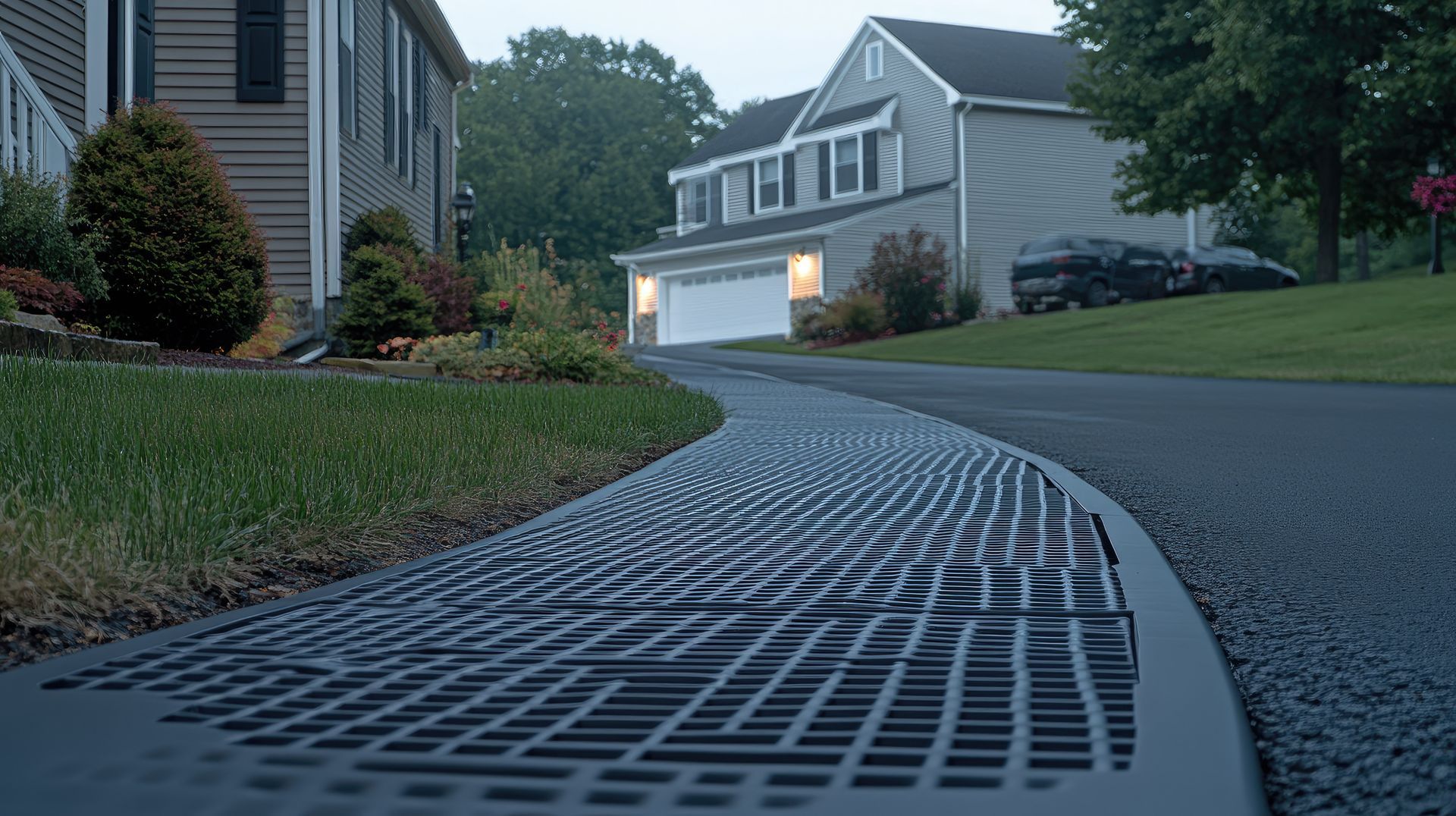
Concrete driveways throughout Castle Rock and surrounding Colorado communities are constantly exposed to changing weather conditions, including heavy summer rainstorms, snowmelt, irrigation runoff, and freeze-thaw cycles. While many homeowners focus on visible cracks or surface wear, one of the most damaging long-term threats to concrete driveways is often improper water runoff.
When water is not directed away from the driveway correctly, it can gradually erode supporting soils, weaken slab stability, contribute to cracking, and accelerate surface deterioration over time. Many driveway issues that appear structural on the surface actually begin beneath the concrete, where unmanaged moisture slowly affects the foundation supporting the slab.
Colorado’s climate creates especially challenging conditions because periods of intense moisture are often followed by rapid drying, temperature swings, and expansive soil movement. In areas like Castle Rock, these environmental shifts can place substantial pressure on concrete surfaces when drainage systems or grading are inadequate.
Creteworx regularly works with homeowners dealing with driveway cracking, settling, erosion, and movement caused by long-term runoff problems. From firsthand experience in concrete installation and repair projects, many serious driveway failures could have been minimized with better drainage planning and early runoff correction.
According to the American Concrete Institute, proper drainage is one of the most important factors affecting the long-term performance and durability of concrete slabs. Excess water around concrete surfaces may contribute to soil instability, freeze-thaw expansion, erosion, and uneven slab movement when moisture is allowed to collect repeatedly near the structure. This is one reason proper drainage is critical for concrete surfaces of every type, not just driveways.
Understanding how runoff damages concrete driveways — and recognizing early warning signs before major deterioration develops — can help homeowners protect both the appearance and structural integrity of their driveway for years to come.
The Four Biggest Ways Water Runoff Damages Concrete Driveways
1. Runoff Erodes Soil Beneath the Driveway
Concrete slabs rely heavily on stable, properly compacted soil beneath them for long-term support.
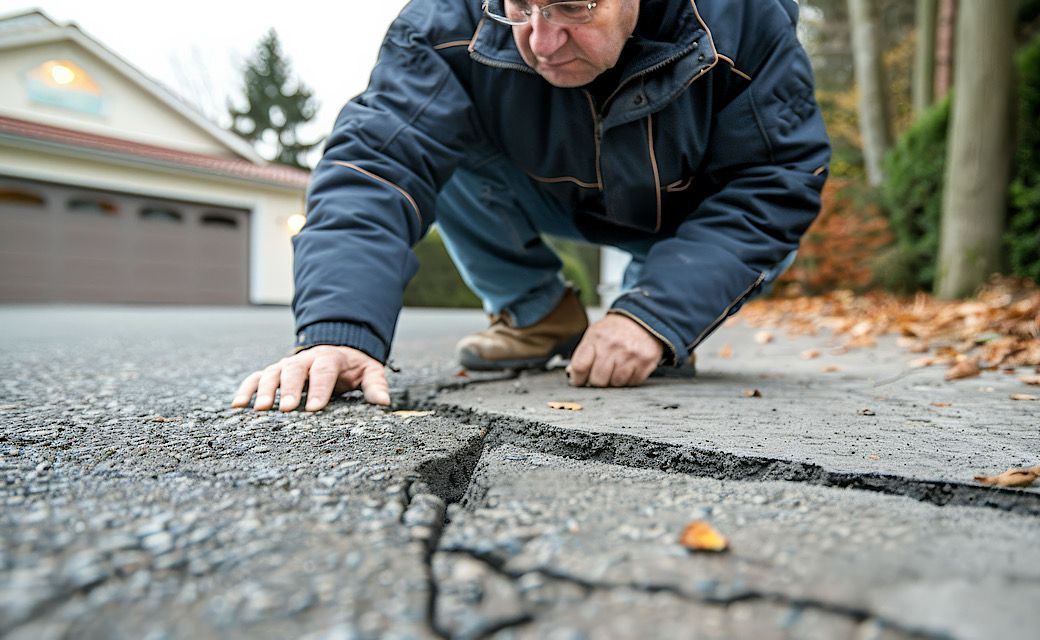
When runoff repeatedly saturates the ground around or beneath the driveway, it may gradually erode supporting soils and create hidden voids beneath the slab.
From practical contractor experience, soil erosion is one of the most common causes of:
- Uneven settling
- Slab shifting
- Surface cracking
- Corner breakage
- Joint separation
Water erosion problems often develop slowly over time, making them difficult for homeowners to notice early.
Common warning signs may include:
- Small gaps beneath slab edges
- Soil washing away near the driveway
- Cracks widening gradually
- Sinking driveway sections
- Uneven slab heights
Colorado’s expansive soils further complicate the issue because moisture fluctuations may cause the ground to repeatedly swell and contract.
According to the Portland Cement Association, stable subgrade preparation and proper drainage are essential for preserving concrete slab integrity over time.
Without proper runoff control, erosion beneath the slab may continue worsening until visible structural damage appears. Homeowners should learn how to spot concrete damage before it gets worse so early erosion signs don't go unnoticed.
2. Standing Water Increases Crack Development
Water pooling on or near a driveway creates additional stress on the concrete surface itself.
Low spots caused by poor grading or improper slope design often allow moisture to collect repeatedly after:
- Rainstorms
- Snowmelt
- Irrigation cycles
- Roof runoff discharge
From firsthand repair experience, persistent standing water commonly contributes to:
- Surface deterioration
- Joint weakening
- Expansion-related cracking
- Freeze-thaw damage during winter
- Accelerated wear patterns
Concrete naturally expands and contracts as temperatures change. When water infiltrates small cracks or joints, repeated moisture exposure combined with temperature swings may gradually enlarge those openings over time.
Homeowners should watch for:
- Puddles remaining after storms
- Water flowing toward the garage
- Uneven drying patterns
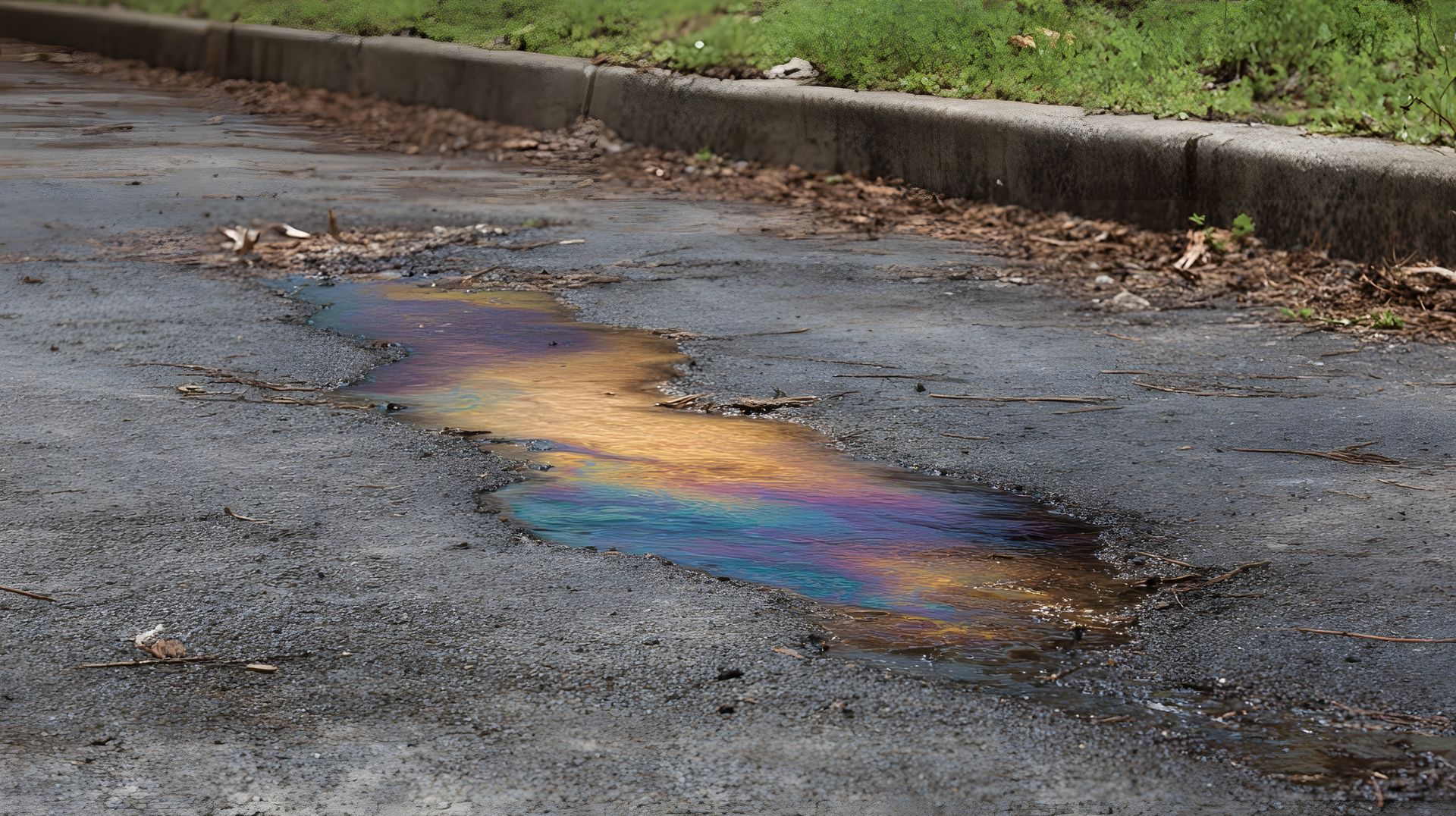
- Surface discoloration near low areas
- Cracking concentrated around pooling zones
Driveways with improper slope may experience recurring water issues regardless of concrete quality if runoff cannot drain away effectively. Catching these issues early with guidance on spotting and repairing concrete cracks before winter hits can help homeowners avoid more extensive damage.
3. Poor Runoff Control Accelerates Edge Deterioration
Driveway edges are especially vulnerable to runoff-related damage because water often flows toward slab borders during storms or irrigation events.
From practical installation and maintenance experience, edge deterioration frequently occurs when:
- Downspouts discharge near the driveway
- Irrigation overspray saturates the surrounding soil
- Drainage channels direct water along slab edges
- Grading slopes water toward the driveway
As water erodes surrounding soil, unsupported driveway edges may begin cracking or breaking away under vehicle weight and repeated stress.
Homeowners may notice:
- Chipping corners
- Crumbling edges
- Soil washout along borders
- Exposed slab undersides
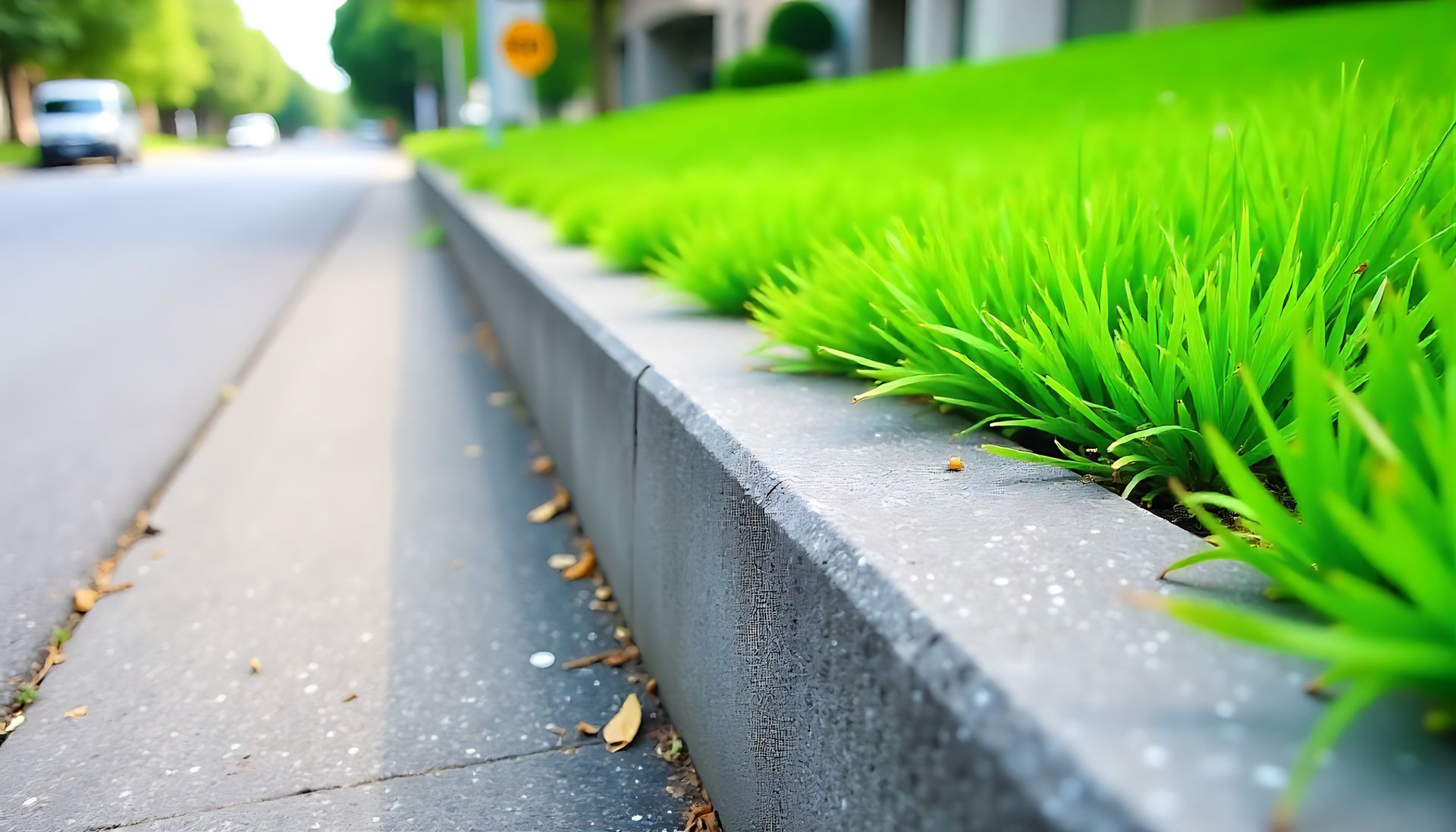
- Grass or mulch erosion beside the driveway
Properties located on hillsides or sloped lots throughout Castle Rock often face additional runoff pressure during heavy summer thunderstorms.
Professional drainage planning may help redirect water away from vulnerable slab areas while improving overall property drainage performance.
4. Proper Slope and Drainage Design Prevent Long-Term Damage
One of the most effective ways to reduce runoff-related driveway damage is to ensure proper slope and drainage design from the beginning.
According to the National Ready Mixed Concrete Association, effective drainage planning helps reduce long-term stress on concrete surfaces while improving slab stability.
Professional driveway installations typically evaluate:
- Property grading
- Soil conditions
- Water flow direction
- Roof runoff patterns
- Drainage collection points
- Expansion joint placement
From firsthand contractor observation, many recurring driveway problems stem from inadequate water management rather than concrete strength alone.
Potential drainage solutions may include:
- Regrading surrounding areas
- Installing channel drains
- Redirecting downspouts
- Improving slope design
- Adding drainage swales
- Correcting irrigation runoff patterns
Even small grading corrections can sometimes significantly improve runoff behavior and reduce future slab stress. In cases of extensive damage, it's worth comparing driveway resurfacing versus repair to determine which option best addresses the underlying drainage issue.
Homeowners should also monitor the driveway regularly for early signs of drainage-related movement before structural damage becomes more extensive.
Frequently Asked Questions About Water Runoff and Concrete Driveways
Can water runoff crack a concrete driveway?
Yes. Repeated moisture exposure, erosion beneath the slab, and freeze-thaw cycles may contribute to cracking and slab movement over time.
Why is water pooling on my driveway?
Pooling often results from improper slope, settling, poor grading, or drainage issues around the property.
How does runoff damage driveway edges?
Water may erode supporting soil near slab edges, eventually causing cracking, chipping, and structural weakening.
What slope should a concrete driveway have?
Proper slope varies by property, but driveways should generally direct water away from structures and prevent standing water accumulation.
Can drainage problems be corrected without replacing the driveway?
In some cases, grading improvements, drainage systems, or runoff redirection may help reduce further damage without full replacement.
For homeowners throughout Castle Rock and surrounding Colorado communities, water runoff management is one of the most important factors in protecting concrete driveways from long-term structural damage. Addressing erosion, pooling, and drainage issues early can help reduce cracking risks while extending the lifespan of the concrete surface.
Creteworx provides professional concrete driveway installation, drainage correction, and repair services designed specifically for Colorado’s demanding environmental conditions. By combining proper grading techniques, durable installation practices, and long-term water management solutions, homeowners can better protect their driveways from runoff-related erosion, shifting, and premature deterioration.