Colorado summers can be tough on
concrete driveways, especially throughout Castle Rock and surrounding Front Range communities, where intense sun exposure, dry conditions, rapid temperature swings, and heavy UV radiation place constant stress on outdoor surfaces. While many homeowners focus on winter freeze-thaw damage, summer conditions can also contribute to cracking, discoloration, surface wear, and long-term deterioration if concrete is not maintained properly.
Driveways throughout Colorado experience daily heating and cooling cycles during the summer months. Surface temperatures rise significantly during the afternoon before cooling rapidly overnight, causing concrete to repeatedly expand and contract. Over time, these environmental stresses can gradually weaken joints, enlarge small cracks, and accelerate surface aging.
Creteworx regularly works with homeowners throughout Castle Rock who want to extend the lifespan of their concrete driveways while reducing costly repairs caused by long-term weather exposure.
From firsthand experience in concrete maintenance and repair projects, many driveway problems that become major structural issues later often begin as small maintenance concerns homeowners overlook during warmer months.
According to the Portland Cement Association, regular inspection and preventative maintenance are among the most effective ways to protect concrete surfaces from environmental wear over time. Colorado’s climate presents additional challenges because the combination of strong UV exposure, low humidity, expanding soils, and sudden storms can place extra pressure on concrete surfaces throughout the summer season.
Fortunately, homeowners can take several simple steps to help protect driveways from unnecessary heat-related wear and maintain stronger long-term performance.
Understanding how summer weather affects concrete — and implementing proactive maintenance habits — can help homeowners reduce cracking risks, preserve appearance, and extend driveway lifespan for years to come.
The Four Most Important Summer Concrete Maintenance Tips
1. Keep the Driveway Clean and Free of Debris
One of the simplest but most overlooked maintenance steps is keeping the concrete surface clean throughout the summer.
Dirt, leaves, organic debris, standing moisture, and automotive residue can gradually contribute to surface staining and deterioration over time. In Colorado’s dry climate, debris buildup may also trap moisture against the concrete during storms or irrigation cycles, increasing surface stress in vulnerable areas.
From practical concrete maintenance experience, homeowners often underestimate how much long-term wear can develop from neglected buildup around:
- Expansion joints
- Driveway edges
- Drainage areas
- Garage entrances
- Shaded sections of the slab
Routine cleaning can help reduce:
- Surface staining
- Moisture retention
- Organic growth buildup
- Joint obstruction
- Premature sealer wear
Homeowners should periodically:
- Sweep debris regularly
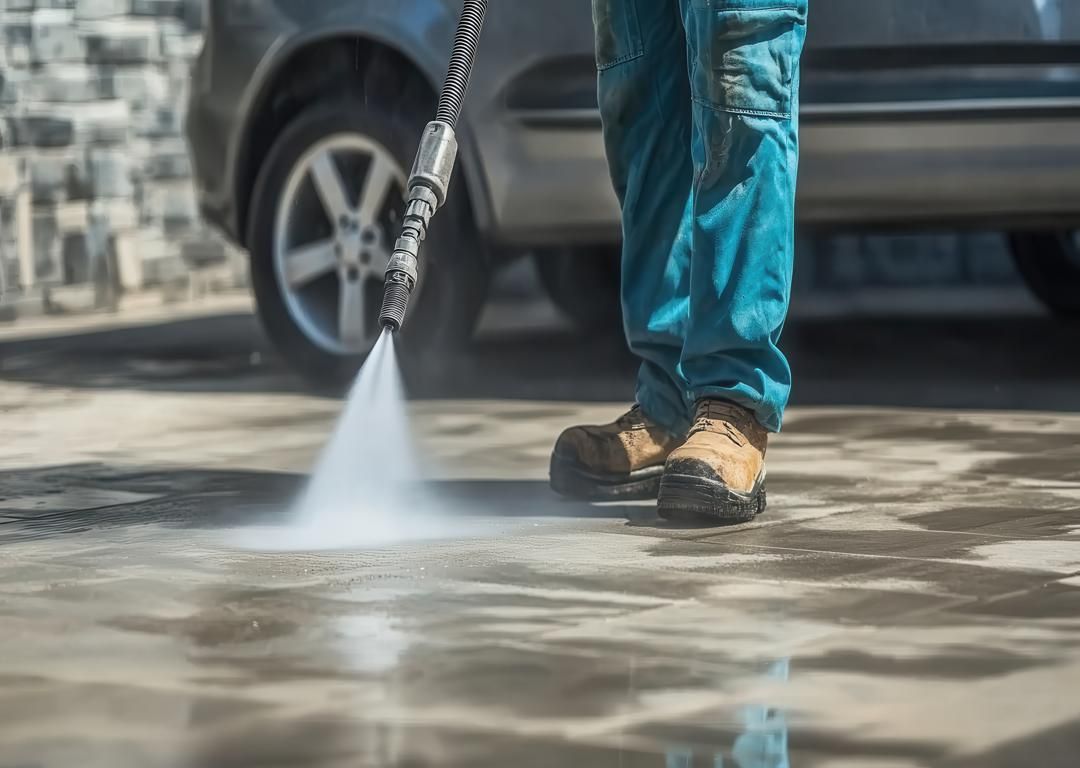
- Rinse dirt accumulation away
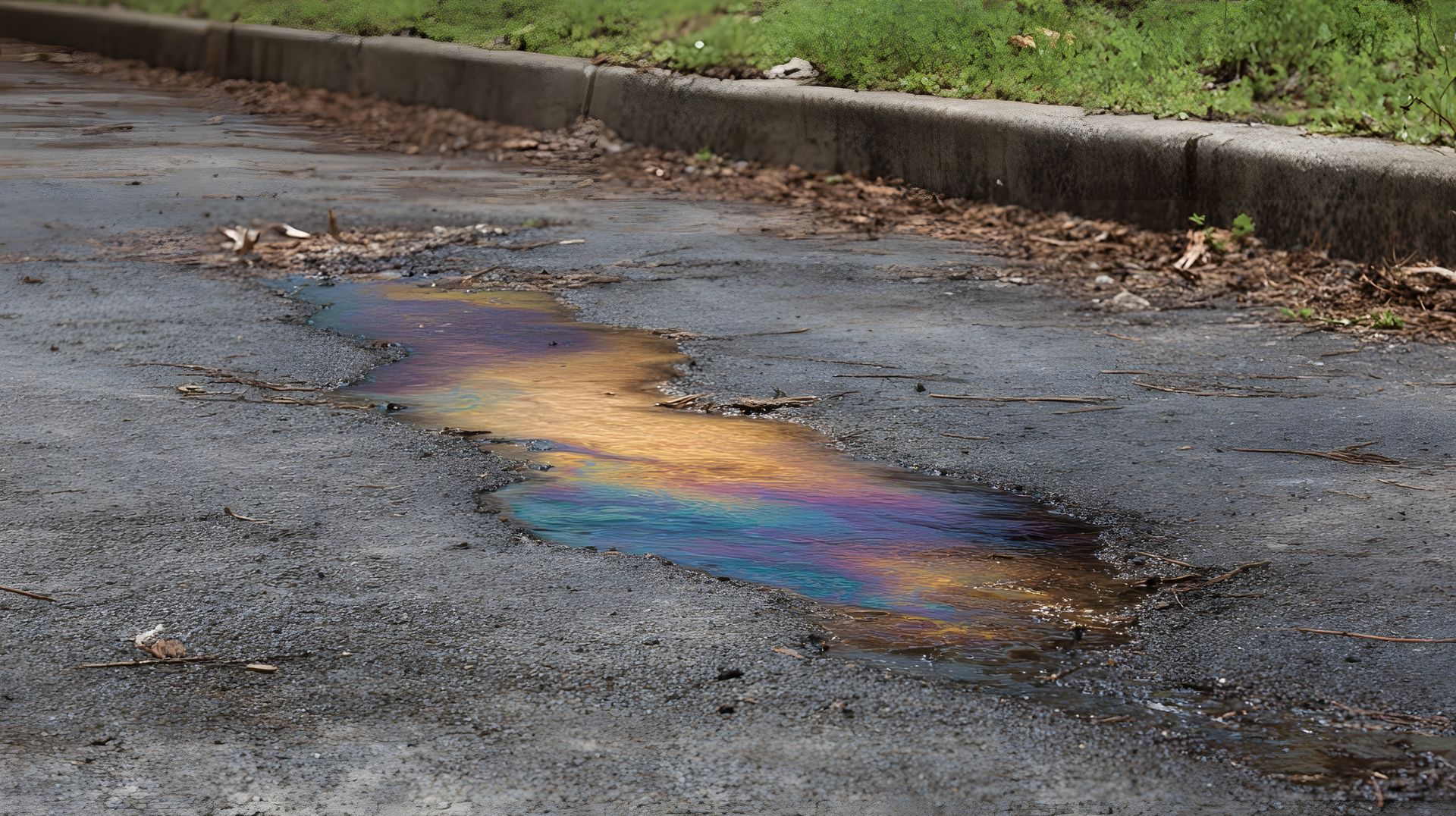
- Remove automotive fluid spills quickly
- Clear leaves from expansion joints
- Monitor drainage areas after storms
Driveways surrounded by mature landscaping may require additional attention during summer because irrigation overspray and organic debris can accelerate surface wear over time.
2. Inspect and Address Small Cracks Early
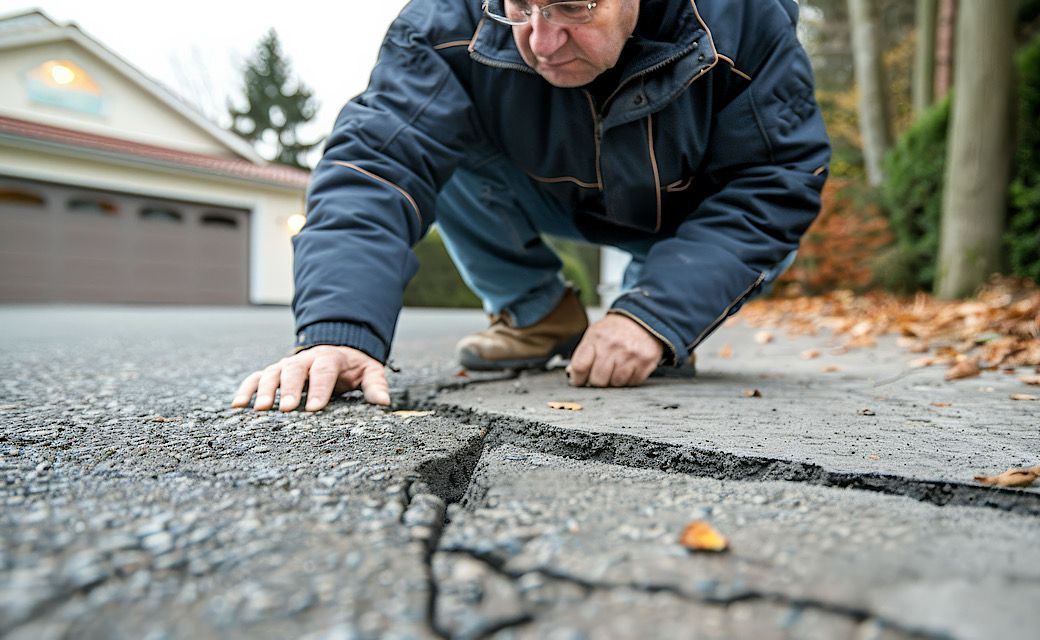
One of the most important preventative maintenance habits is monitoring the driveway for
small developing cracks before they expand into larger structural problems.
Concrete naturally experiences some movement due to:
- Temperature changes
- Soil shifting
- Moisture fluctuations
- Expansion and contraction cycles
However, small cracks can worsen quickly when exposed to repeated summer heat and water intrusion.
From firsthand contractor experience, many expensive driveway repairs could have been minimized if early cracks had been addressed sooner.
Homeowners should regularly inspect for:
- Hairline surface cracks
- Joint separation
- Corner cracking
- Minor scaling
- Uneven slab movement
Even small openings may allow:
- Water penetration
- Soil erosion beneath the slab
- Freeze-thaw expansion during winter
- Further heat-related stress during summer
According to the American Concrete Institute, controlling moisture intrusion is an important part of preserving long-term concrete durability.
Professional evaluations may help determine whether cracking is cosmetic or an early sign of larger movement-related issues beneath the driveway.
3. Protect the Surface With Proper Sealing
Colorado’s intense sunlight and dry climate can gradually wear down unprotected concrete surfaces over time.
Driveway sealing helps create a protective barrier against:
- UV exposure
- Moisture intrusion
- Surface staining
- Deicing chemical residue
- Premature surface deterioration
From practical maintenance experience, driveways exposed to prolonged direct sunlight often show accelerated fading and surface dryness when sealing maintenance is neglected.
Sealant protection may also help reduce:
- Surface brittleness
- Minor moisture absorption
- Expansion-related stress near joints
- Long-term cosmetic wear
According to the National Ready Mixed Concrete Association, protective sealers can help improve concrete durability when used appropriately and maintained regularly.
Homeowners should periodically evaluate:
- Sealer wear patterns
- Water absorption behavior
- Surface discoloration
- Areas exposed to heavy vehicle traffic
Driveways that no longer repel water effectively may be due for resealing depending on age and environmental exposure.
Professional contractors can recommend sealing schedules based on:
- Concrete age
- Surface condition
- Sun exposure levels
- Traffic volume
- Previous maintenance history
4. Pay Attention to Drainage and Irrigation Patterns
Water management plays a major role in long-term concrete performance, especially in Colorado, where expansive soils and rapid moisture fluctuations can create movement beneath slabs.
Poor drainage may contribute to:
- Soil shifting
- Erosion beneath the driveway
- Joint stress
- Uneven settling
- Accelerated cracking
From firsthand installation and repair experience, drainage-related movement is one of the most common contributors to premature driveway deterioration throughout Castle Rock.
Homeowners should monitor:
- Water pooling after storms
- Irrigation overspray
- Downspout discharge locations
- Soil erosion near driveway edges
- Low areas where moisture collects
Sprinkler systems that repeatedly saturate driveway edges may gradually weaken surrounding soils and increase slab movement over time.
Proper grading and water control help reduce unnecessary stress beneath the concrete while minimizing moisture-related expansion and contraction issues.
Professional inspections can also help identify hidden drainage concerns homeowners may not immediately notice until visible cracking develops later.
Frequently Asked Questions About Summer Concrete Driveway Maintenance
Can summer heat damage concrete driveways?
Yes. Repeated expansion, UV exposure, moisture loss, and temperature fluctuations can contribute to long-term cracking and surface wear.
How often should concrete driveways be sealed in Colorado?
Sealing schedules vary depending on exposure and usage, but periodic resealing helps protect against UV damage and moisture intrusion.
Are small driveway cracks normal?
Minor cracking can occur naturally over time, but early inspection and repair help prevent larger structural issues later.
Does irrigation affect concrete driveways?
Yes. Excess moisture near driveway edges can contribute to soil movement and long-term slab stress.
What is the best way to extend driveway lifespan?
Routine cleaning, crack monitoring, proper sealing, drainage management, and professional inspections all help improve long-term concrete durability.
For homeowners throughout Castle Rock and surrounding Colorado communities, proactive summer maintenance plays a major role in protecting concrete driveways from heat-related stress and long-term deterioration. Addressing small concerns early and maintaining proper surface protection can help reduce costly repairs while preserving both appearance and structural performance.
Creteworx provides professional concrete driveway installation, repair, and maintenance services designed specifically for Colorado’s demanding climate conditions. By combining experienced craftsmanship, preventative maintenance strategies, and long-term concrete care solutions, homeowners can better protect their driveways from summer heat, UV exposure, and premature cracking.