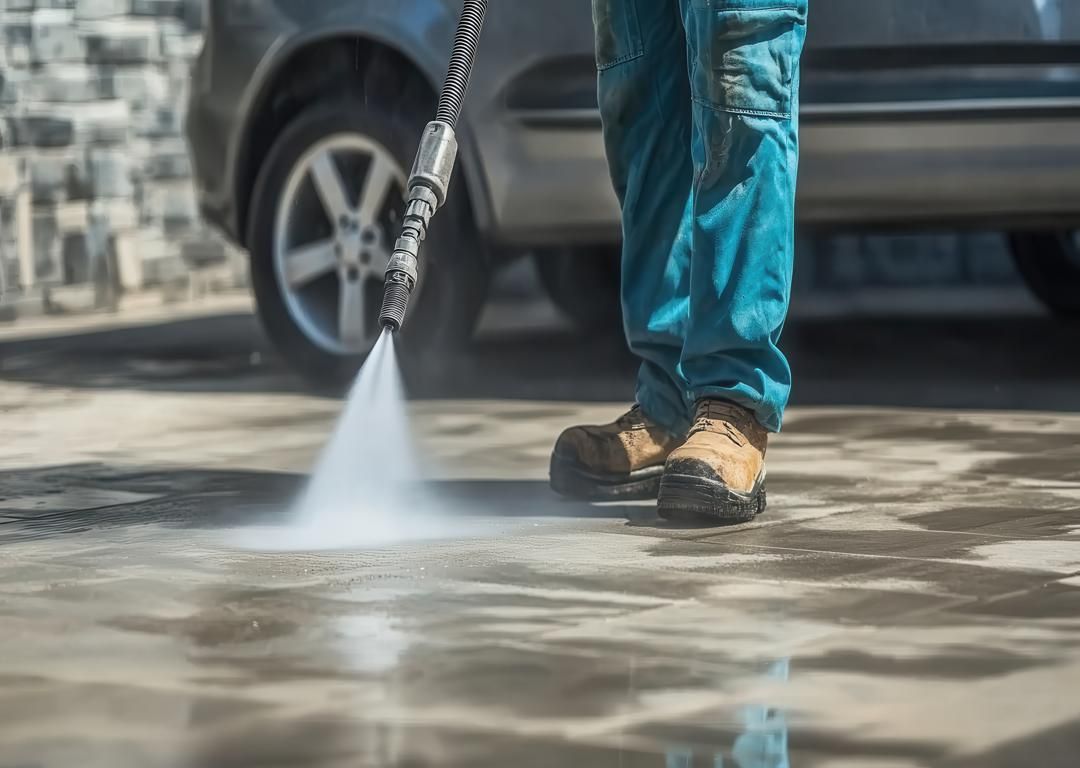
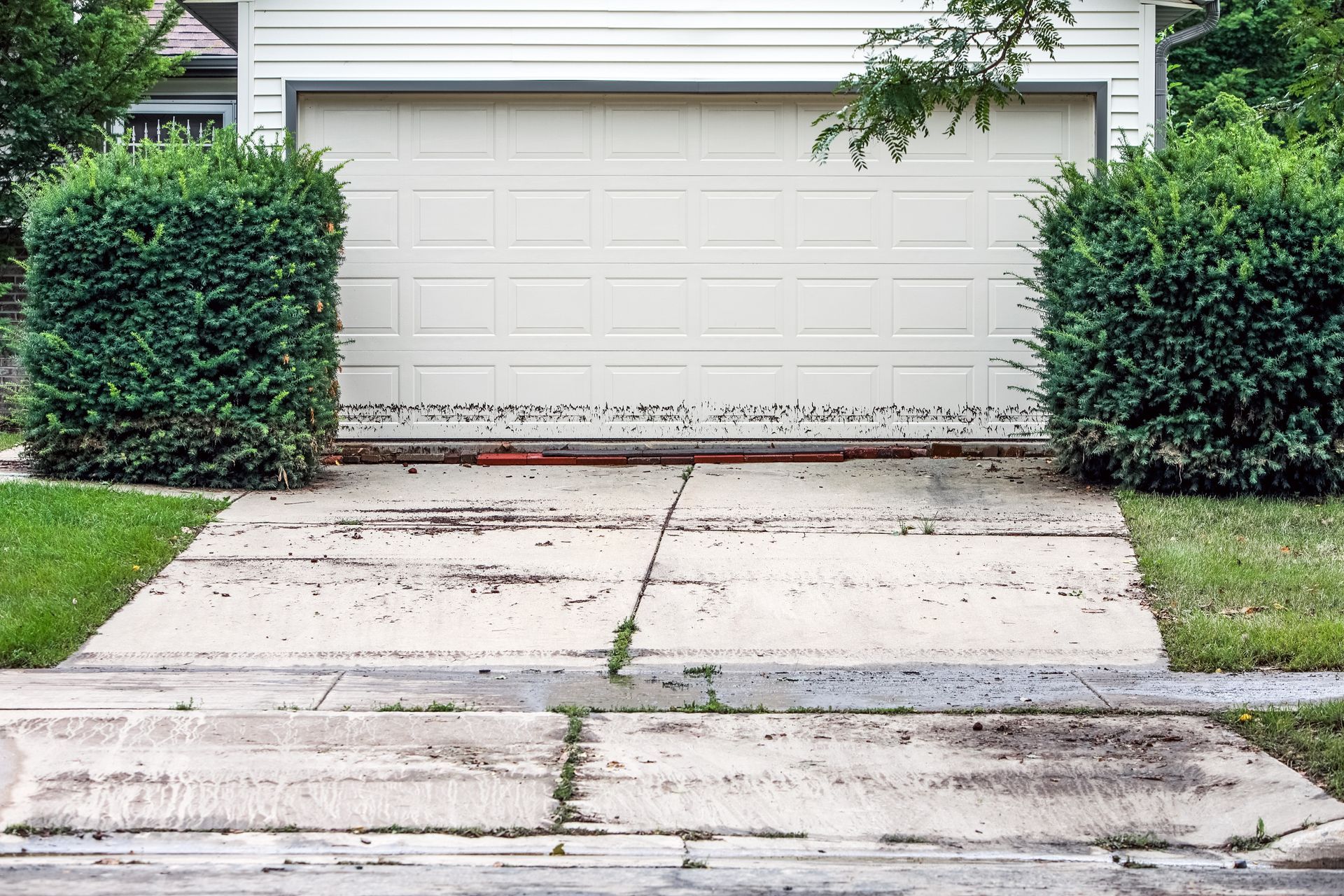
Standing water on a concrete driveway may seem like a minor inconvenience at first, but over time, puddling can contribute to much larger problems for homeowners throughout Castle Rock and surrounding Colorado communities. Water that repeatedly collects on concrete surfaces can accelerate cracking, weaken joints, increase surface wear, and contribute to soil erosion beneath the slab. In Colorado’s climate, where heavy summer storms, rapid temperature changes, snowmelt, and expansive soils are common, proper driveway drainage becomes especially important for long-term concrete performance.
Many homeowners first notice puddling after a rainstorm or sprinkler cycle when certain sections of the driveway fail to dry evenly. In some cases, water pools near the garage entrance, around driveway edges, or in low spots where grading problems have gradually developed over time. While small puddles may seem harmless initially, ongoing moisture exposure can slowly create structural stress beneath the surface.
Creteworx regularly works with homeowners throughout Castle Rock, dealing with drainage-related concrete issues caused by poor slope design, runoff problems, erosion, and improper water management around the property. From firsthand experience in concrete installation and repair projects, many driveway deterioration problems that become expensive later often begin with unresolved standing water concerns that homeowners ignored for several seasons.
According to the American Concrete Institute, proper drainage planning is essential for preserving concrete durability and reducing moisture-related damage. Water accumulation can gradually weaken supporting soils, increase freeze-thaw stress during winter, and contribute to long-term slab movement if runoff is not directed away effectively. This is part of why proper drainage is critical for concrete surfaces throughout a property, not just the driveway.
Colorado’s environmental conditions add additional challenges because concrete surfaces frequently experience cycles of moisture saturation followed by intense heat and drying conditions. This repeated expansion and contraction can place considerable pressure on driveways over time.
Understanding why puddles form — and learning which grading and drainage strategies help eliminate standing water — can help homeowners better protect their concrete investment while reducing future repair risks.
The Four Best Ways to Prevent Puddles on Concrete Driveways
1. Proper Driveway Slope Is Critical for Water Drainage
One of the most important factors in preventing standing water is ensuring the driveway has adequate slope to direct runoff away from the surface.
Concrete driveways should be designed to encourage water flow rather than allowing moisture to settle in low areas. Even minor grading inconsistencies may create puddling zones that gradually worsen over time.
From practical contractor experience, improper slope is one of the most common causes of:
- Standing water
- Surface staining
- Expansion-related cracking
- Soil erosion near slab edges
- Water intrusion near garages or foundations
Common warning signs of poor slope include:
- Puddles remaining hours after rain
- Water draining toward the home
- Uneven drying patterns
- Algae or discoloration in low spots
- Ice buildup during colder months
According to the Portland Cement Association, proper grading helps reduce moisture-related stress while improving long-term concrete durability.
Professional driveway installations typically evaluate:
- Property elevation changes
- Existing drainage flow
- Soil stability
- Roof runoff direction
- Water collection points around the property
Even slight adjustments to slope design may significantly improve drainage performance and reduce future puddling issues.
2. Drainage Around the Driveway Must Be Managed Carefully
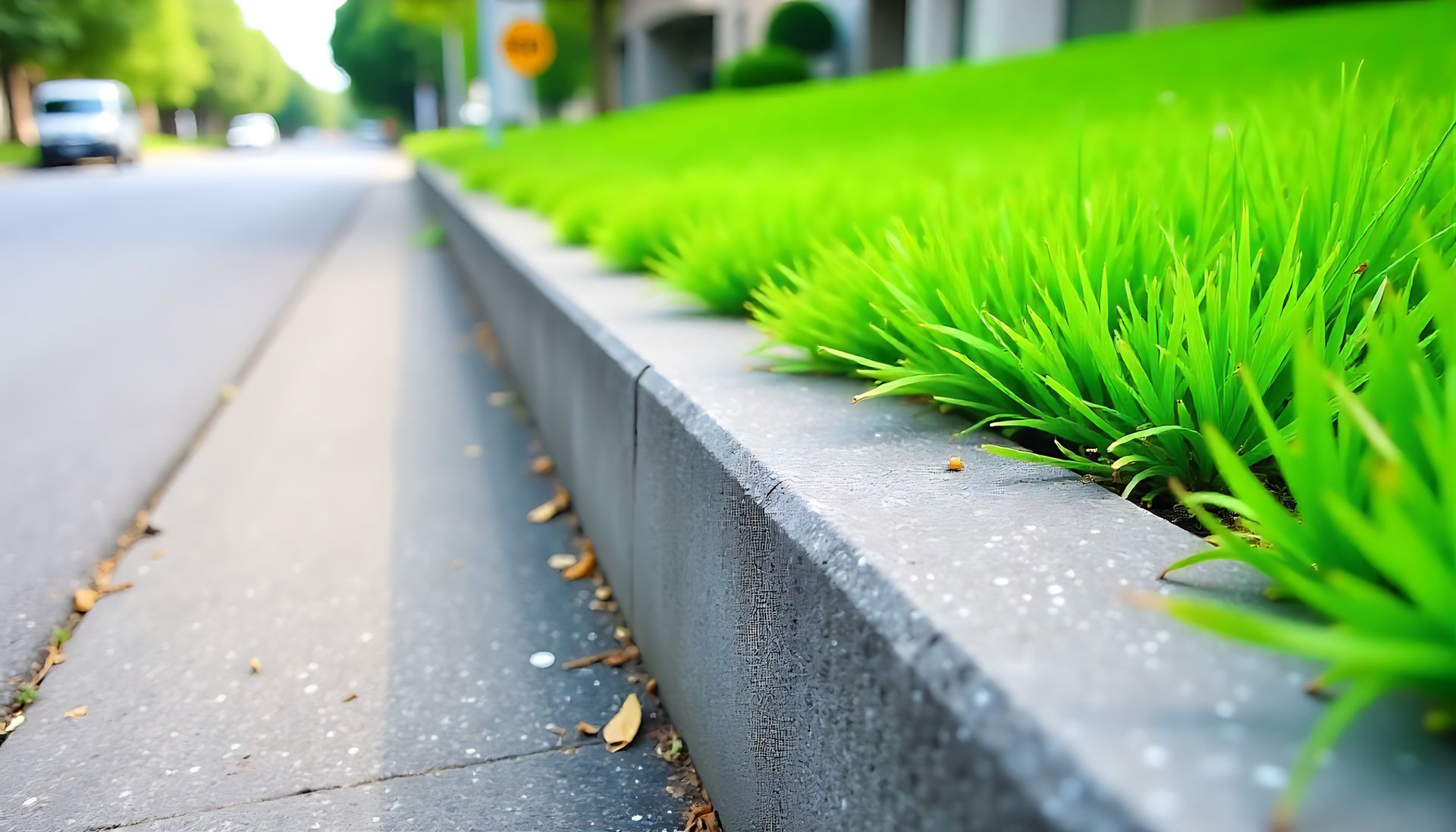
In many cases, puddles form not because of the driveway itself, but because surrounding drainage systems direct too much water toward the concrete surface.
From firsthand installation and repair experience, common contributors to driveway puddling include:
- Downspouts draining near the slab
- Sprinkler overspray
- Landscape grading problems
- Poor yard drainage
- Runoff from adjacent walkways or patios
When water repeatedly flows toward the driveway, the surrounding soil may become oversaturated, increasing risks of:
- Soil movement
- Erosion beneath the slab
- Uneven settling
- Cracking near driveway edges
Homeowners should regularly inspect for:
- Water flowing across the driveway after storms
- Erosion channels near concrete edges
- Oversaturated landscaping near the slab
- Downspout discharge problems
Redirecting runoff using:
- Downspout extensions
- Drainage swales
- Grading corrections
- Drainage piping systems may help reduce standing water significantly.
Colorado’s intense summer storms can generate large runoff volumes in a short amount of time, making proper water management especially important for long-term driveway stability.
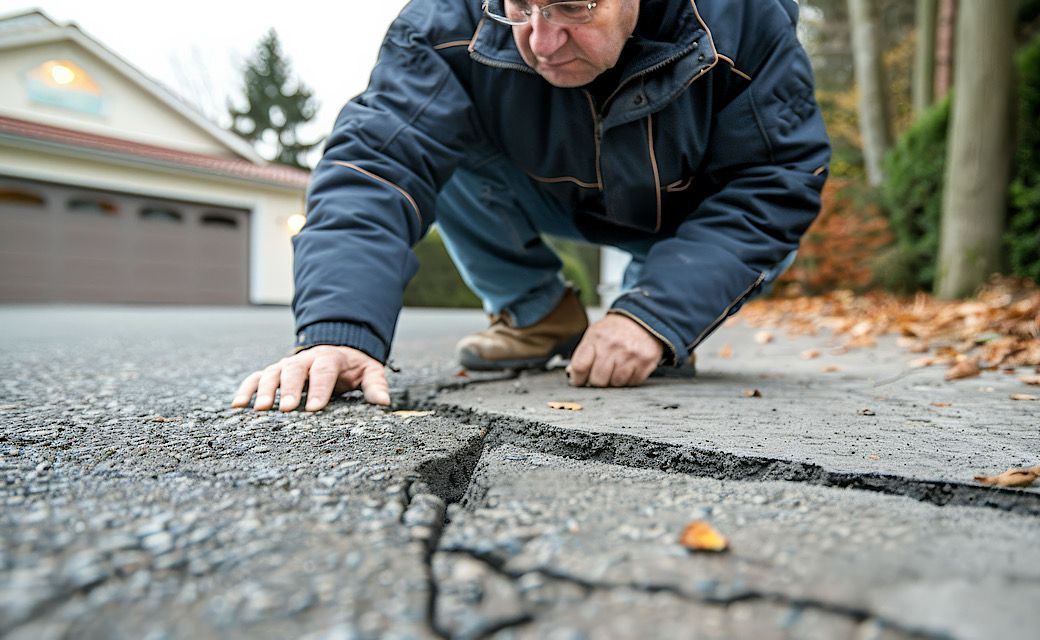
Homeowners already seeing early cracking should review how to spot concrete damage before it gets worse as puddling and cracking often develop together.
3. Expansion Joints and Surface Maintenance Help Reduce Water Problems
Expansion joints are designed to allow concrete movement during temperature fluctuations, but they also play an important role in controlling water intrusion.
When joints deteriorate or become clogged with debris, water may begin collecting near slab seams and eventually penetrate beneath the driveway surface.
From practical maintenance experience, neglected joints often contribute to:
- Surface separation
- Edge cracking
- Freeze-thaw deterioration
- Increased puddling near low areas
Homeowners should periodically inspect for:
- Cracked joint filler
- Open gaps between slabs
- Debris buildup
- Water collecting along joints
Routine maintenance may include:
- Cleaning debris from joints
- Replacing damaged filler material
- Monitoring surface cracks early
- Addressing low spots before they worsen
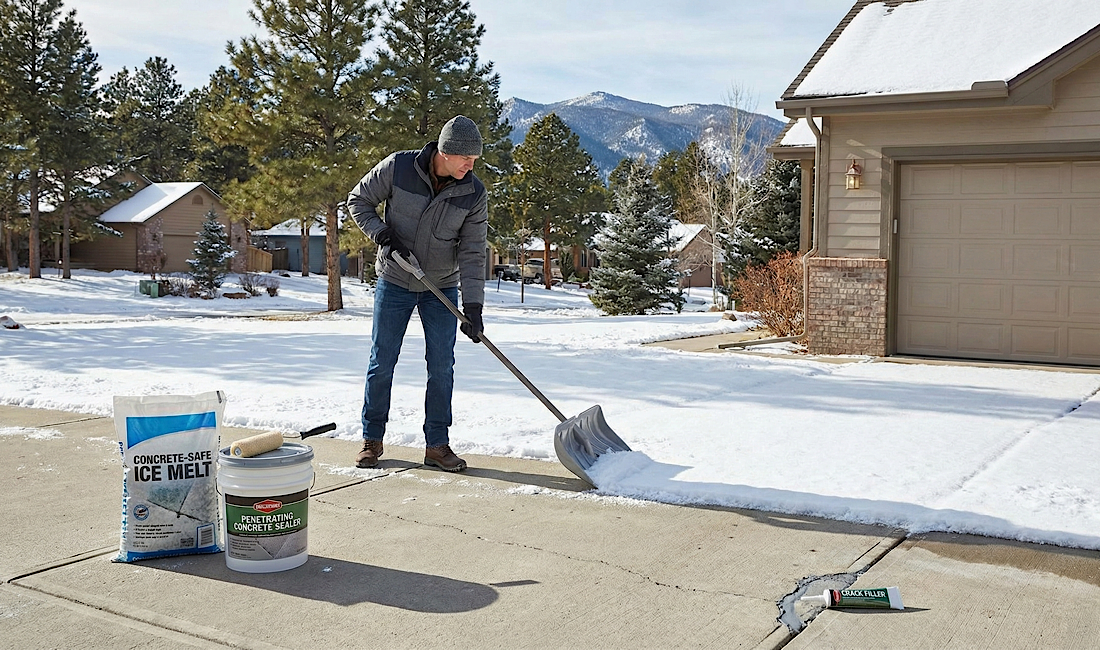
Driveways with older or deteriorated joints are often more vulnerable to water-related damage because moisture can infiltrate beneath the slab more easily. Homeowners working through winter maintenance can find helpful tips in how to spot and repair concrete cracks before winter hits.
Preventative maintenance helps reduce long-term structural stress while improving overall drainage performance.
4. Drainage Systems May Be Necessary for Persistent Puddling Problems
Some properties naturally experience drainage challenges due to:
- Steep slopes
- Soil conditions
- Limited runoff pathways
- Heavy stormwater flow
- Existing grading limitations
In these situations, additional drainage systems may provide the best long-term solution.
Potential drainage improvements may include:
- Channel drains
- French drains
- Catch basins
- Drainage swales
- Perimeter drainage systems
From firsthand contractor observation, channel drains are especially effective near:
- Garage entrances
- Sloped driveways
- Areas with recurring standing water
- High-runoff transition zones
French drains may help redirect groundwater and subsurface moisture away from vulnerable slab areas.
According to the National Ready Mixed Concrete Association, effective water management is one of the most important factors in preserving concrete performance and minimizing long-term structural deterioration.
Professional evaluations can help homeowners determine whether grading adjustments alone are sufficient or whether additional drainage infrastructure may be necessary to eliminate recurring puddles permanently. In severe cases, comparing driveway resurfacing versus repair can clarify whether a full rebuild with corrected drainage makes more sense than ongoing patch fixes.
Frequently Asked Questions About Driveway Puddling and Drainage
Why do puddles form on concrete driveways?
Puddles commonly result from improper slope, low spots, poor grading, drainage issues, or runoff flowing toward the driveway.
Can standing water damage concrete?
Yes. Repeated moisture exposure may contribute to cracking, surface deterioration, soil erosion, and freeze-thaw damage over time.
How can homeowners improve driveway drainage?
Solutions may include regrading, redirecting runoff, improving downspout drainage, repairing joints, or installing drainage systems.
Are driveway puddles a sign of settling?
In some cases, yes. Uneven settling or soil erosion beneath the slab may create low areas where water collects.
What drainage systems help prevent driveway puddles?
Channel drains, French drains, catch basins, and proper grading corrections are commonly used to improve driveway drainage.
For homeowners throughout Castle Rock and surrounding Colorado communities, preventing puddles on concrete driveways involves more than improving appearance alone. Proper drainage helps protect against erosion, cracking, moisture intrusion, and long-term structural deterioration caused by standing water and runoff issues, and it supports the long-term benefits of a concrete driveway that homeowners expect from a quality installation.
Creteworx provides professional concrete driveway installation, drainage correction, and repair services designed specifically for Colorado’s demanding environmental conditions. By combining proper grading techniques, effective drainage strategies, and long-term maintenance solutions, homeowners can better protect their driveways from puddling, erosion, and water-related damage for years to come.