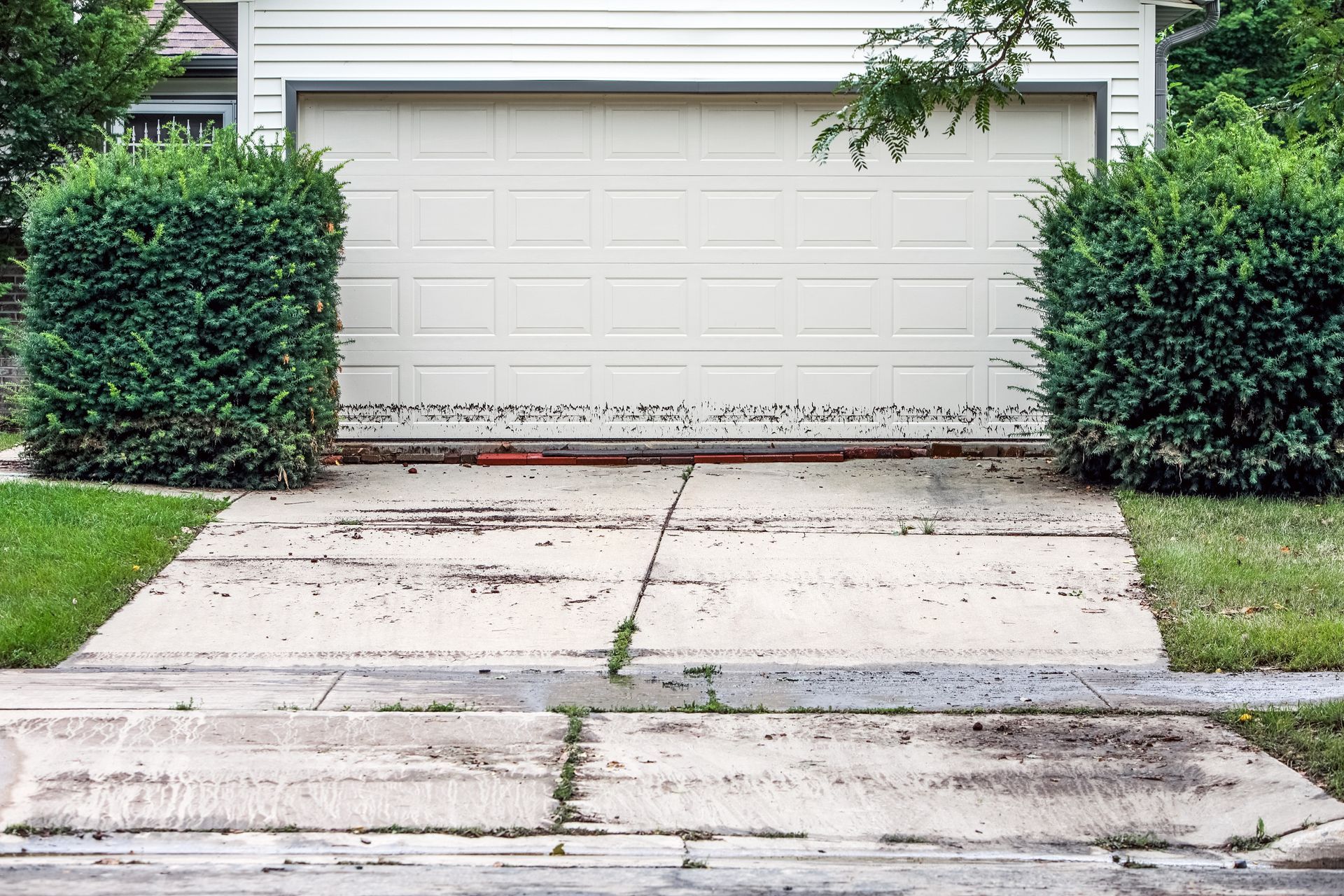
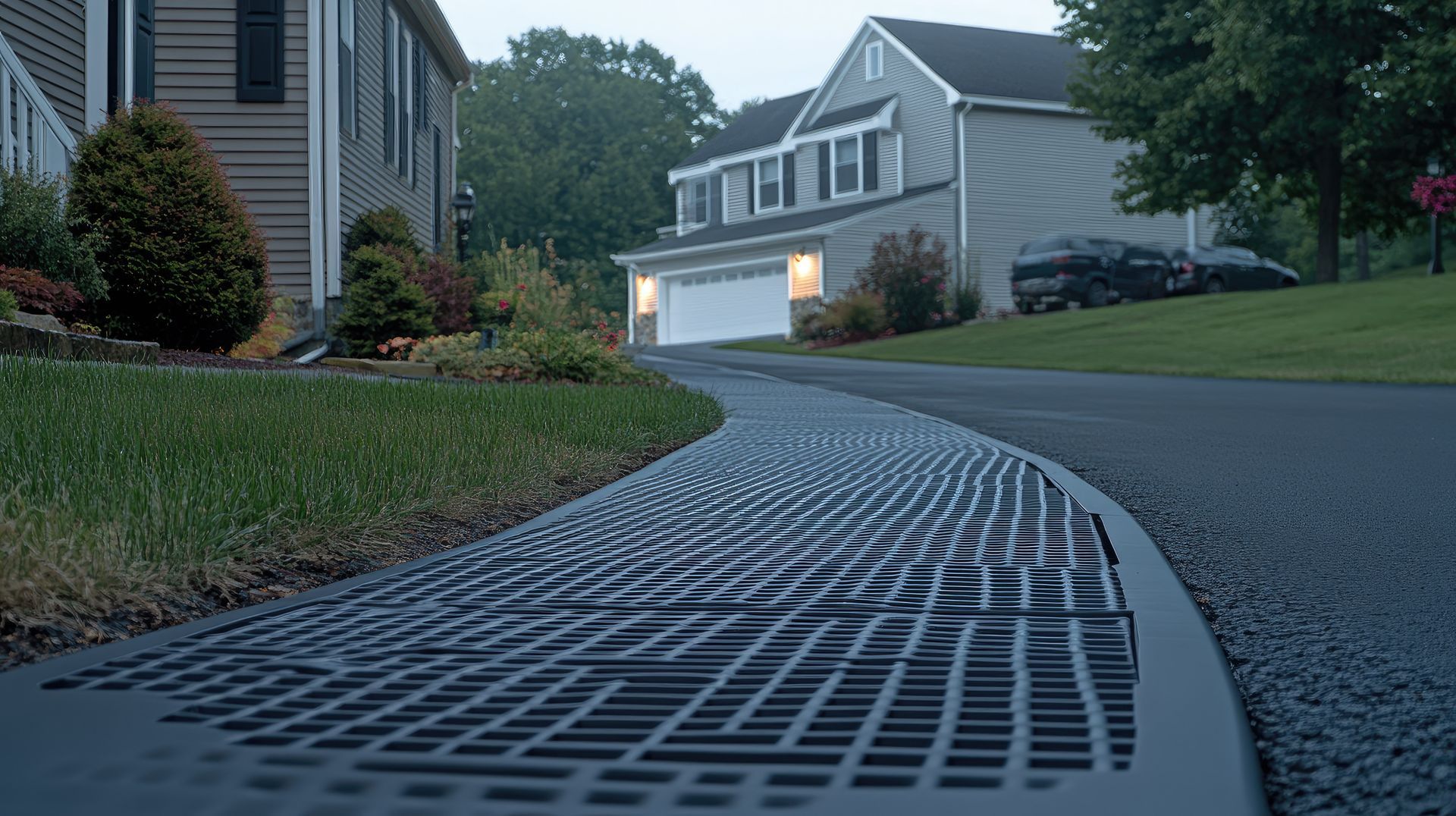
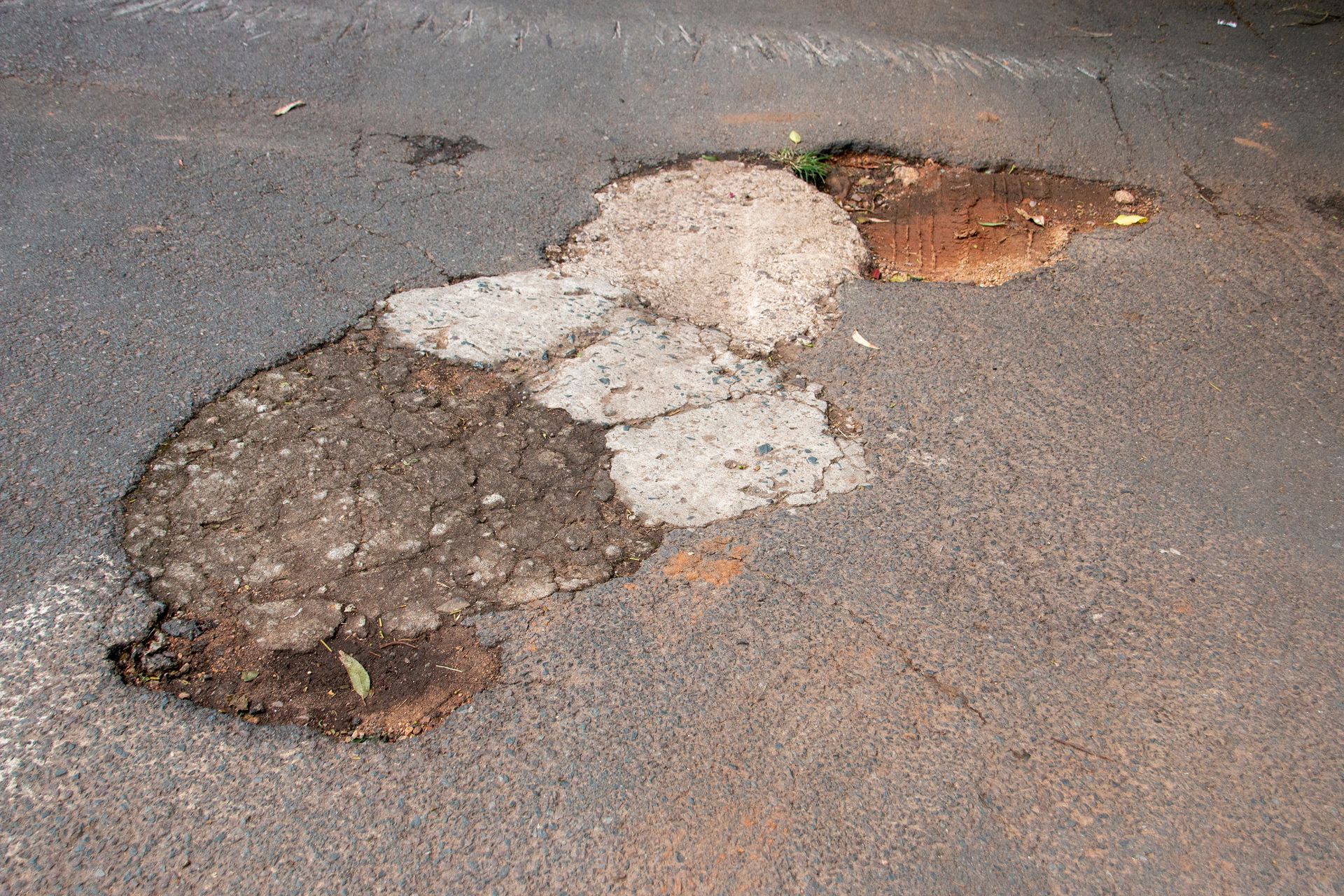
Concrete driveways throughout Colorado face constant exposure to environmental stress throughout the year. Between intense summer sun, heavy rainstorms, snow accumulation, freeze-thaw cycles, and rapid temperature swings, driveway surfaces in communities like Castle Rock and across the Front Range endure some of the harshest weather conditions in the country. While concrete is known for durability, long-term performance depends heavily on proper maintenance, and one of the most important maintenance steps homeowners can take is sealing the driveway at the right time.
Many homeowners wait until visible cracking, surface fading, or winter damage appears before thinking about sealing their concrete. However, preventative sealing plays a major role in protecting the surface from moisture intrusion, UV exposure, freeze-thaw stress, and long-term deterioration before damage becomes more severe.
Creteworx regularly works with homeowners throughout Colorado who want to preserve the appearance and structural integrity of their concrete driveways through proper maintenance and surface protection. From firsthand experience in concrete installation and repair projects, timing is one of the biggest factors that affect how well a sealer performs over time. Applying sealant too late in the season, during improper weather conditions, or after moisture-related damage has already developed can reduce its long-term effectiveness significantly.
According to the American Concrete Institute, concrete sealers help reduce moisture penetration, surface wear, and environmental damage when applied properly and maintained consistently. In Colorado’s climate, sealing becomes especially important because concrete surfaces repeatedly experience expansion and contraction caused by temperature fluctuations and freeze-thaw cycles.
Understanding when to seal a concrete driveway — and why seasonal timing matters — can help homeowners maximize protection while extending the lifespan of their driveway for years to come.
The Four Most Important Things to Know About Sealing Concrete Driveways in Colorado
1. Fall Is Often the Best Time to Seal a Driveway in Colorado
For many Colorado homeowners, early fall is typically considered one of the best times to seal a concrete driveway.
During this period, temperatures are often more stable, excessive summer heat has passed, and winter freeze-thaw conditions have not yet arrived.
From practical contractor experience, fall sealing helps prepare the driveway for:
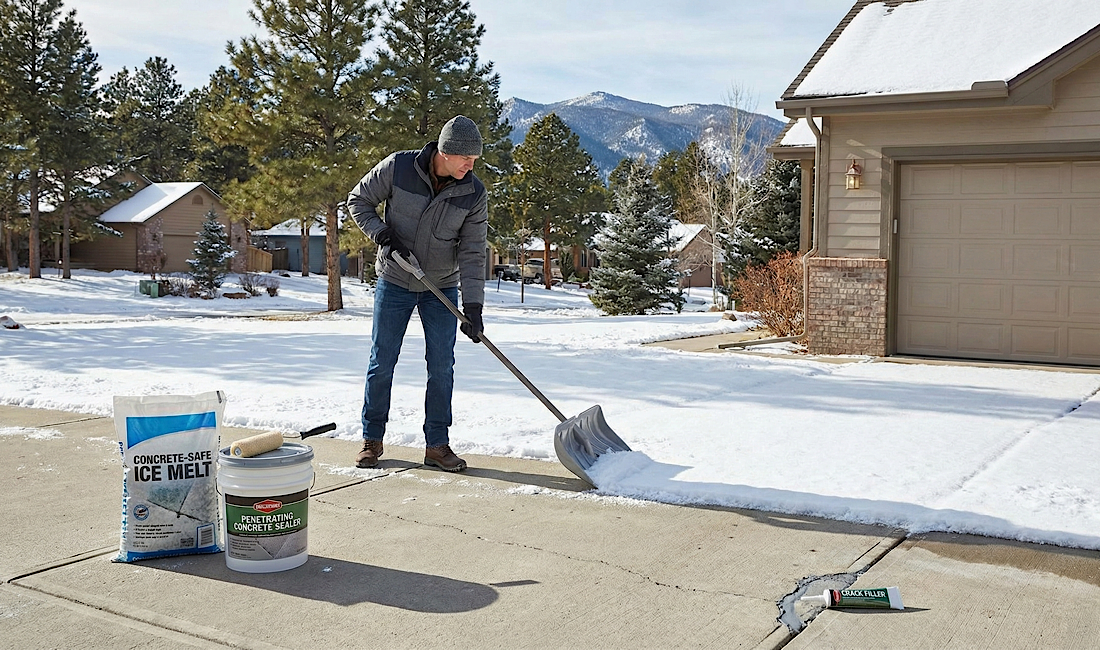
- Snow accumulation
- Ice exposure
- Freeze-thaw cycles
- Moisture penetration during winter storms
- Deicing product exposure
Sealing before winter may help reduce:
- Water absorption into the concrete
- Surface cracking
- Freeze-thaw expansion damage
- Surface scaling and flaking
- Joint deterioration
According to the Portland Cement Association, controlling moisture intrusion is one of the most effective ways to improve concrete durability in cold-weather climates.
Homeowners should ideally avoid waiting until freezing temperatures arrive because sealers generally require:
Late fall applications may become risky if overnight freezing temperatures occur before the sealer cures fully.
2. Summer Heat and UV Exposure Also Make Sealing Important
While winter protection is often the primary reason homeowners seal driveways,
Colorado’s summer climate can also create significant stress on concrete surfaces.
Driveways throughout Castle Rock experience:
- Strong UV radiation
- High surface temperatures
- Dry conditions
- Rapid daytime heating and nighttime cooling
Over time, prolonged UV exposure may contribute to:
- Surface fading
- Sealer breakdown
- Increased brittleness
- Decorative finish wear
- Minor cracking development
From firsthand maintenance experience, unsealed concrete often shows visible signs of aging faster under Colorado’s intense sun exposure.
Proper sealing may help protect against:
- UV-related deterioration
- Moisture evaporation stress
- Surface staining
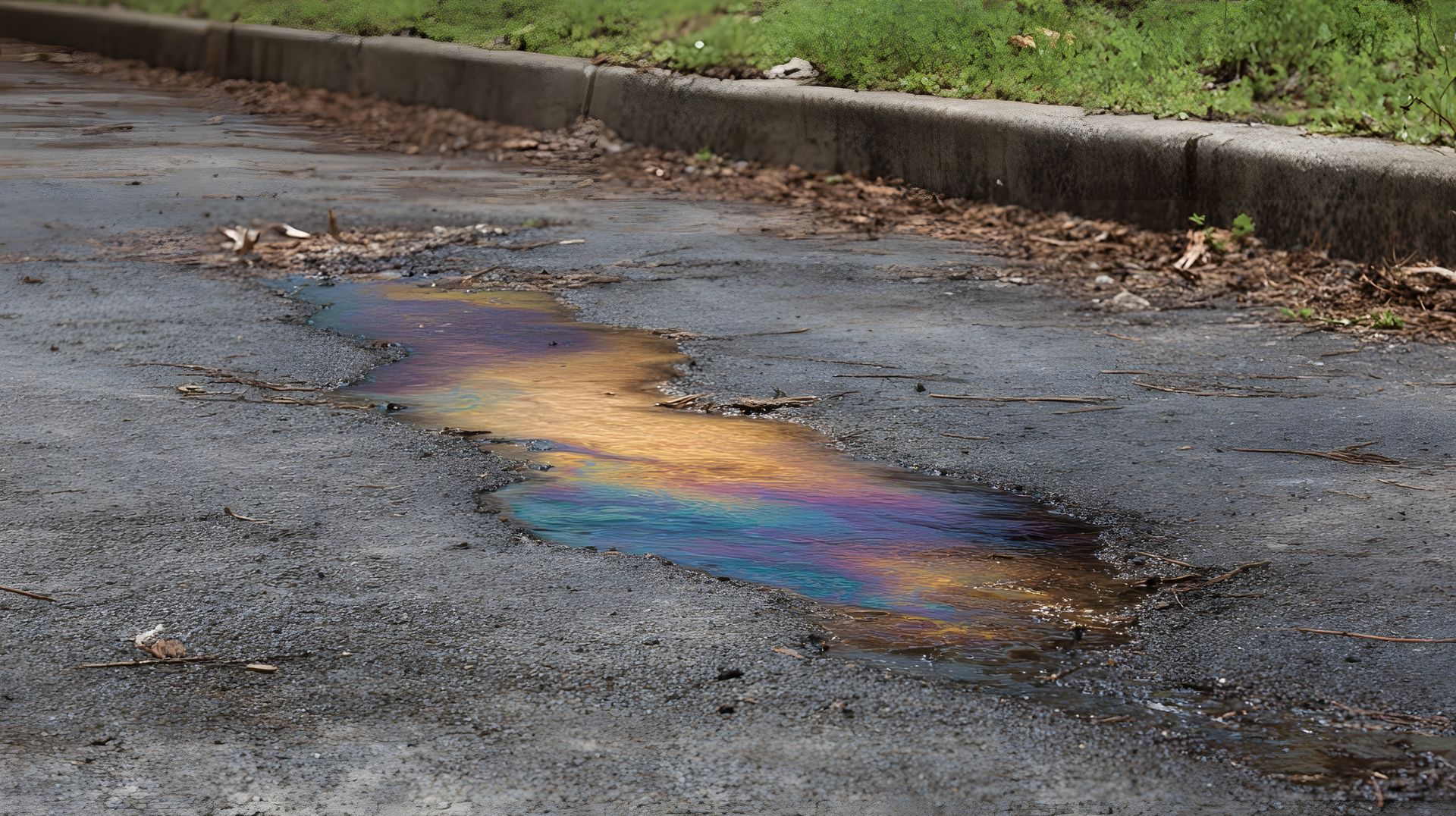
- Automotive fluid penetration
- Premature surface wear
Homeowners with decorative concrete or stamped driveways may benefit especially from maintaining consistent sealer protection because decorative finishes often experience more visible fading and wear over time.
Periodic inspections during summer can help homeowners identify:
- Worn sealer areas
- Uneven water absorption
- Surface discoloration
- Small developing cracks
Before winter conditions increase stress further.
3. Moisture and Temperature Conditions Affect Sealer Performance
One of the most important factors when sealing a driveway is weather timing.
From practical contractor observation, poor application conditions are one of the most common reasons sealers fail prematurely.
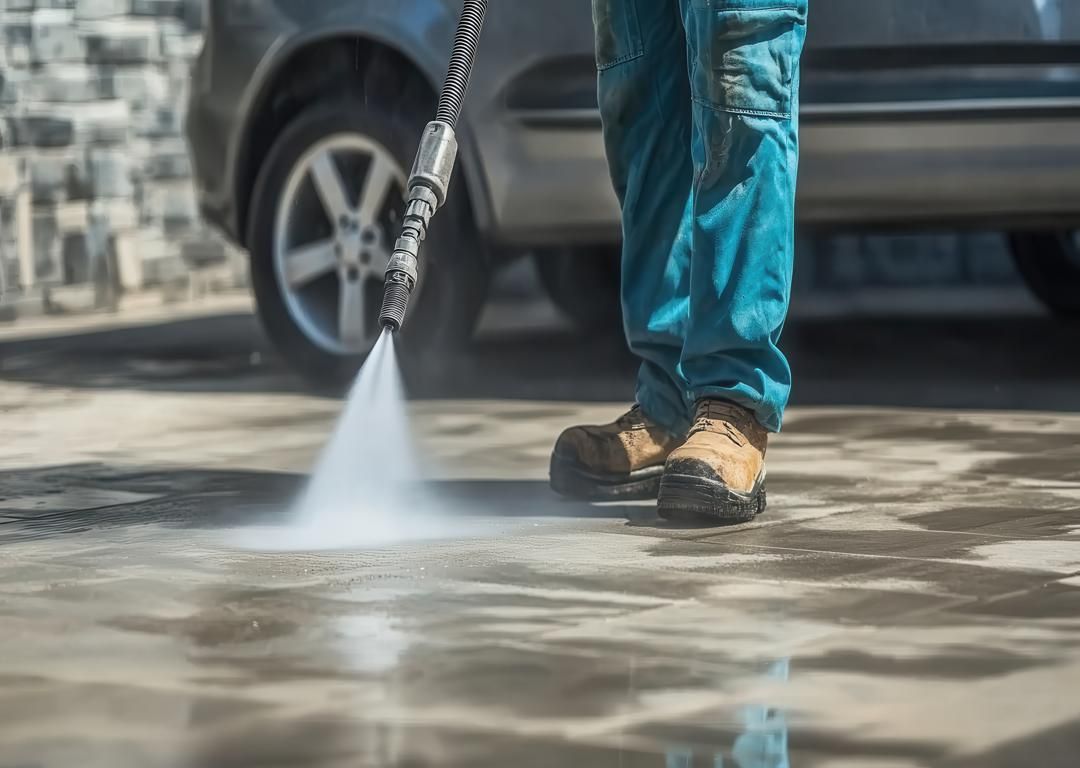
Concrete surfaces should generally be:
- Clean
- Dry
- Free of standing moisture
- Properly repaired before sealing
Applying sealer during periods of:
- High humidity
- Rainy weather
- Freezing temperatures
- Excessive heat may reduce adhesion and long-term performance.
Homeowners should also understand that existing damage may affect sealing results.
Sealing over:
Does not correct the underlying issue and may allow deterioration to continue beneath the surface.
According to the National Ready Mixed Concrete Association, preventative maintenance and timely repairs help improve the effectiveness of protective concrete treatments.
Professional evaluations may help determine whether crack repair, drainage improvements, or surface preparation should occur before sealing begins.
4. Regular Maintenance Helps Extend Driveway Lifespan
Sealing should be viewed as part of a larger long-term maintenance strategy rather than a one-time solution.
From firsthand contractor experience, homeowners who combine sealing with proactive maintenance often experience fewer major concrete issues over time.
Important maintenance practices may include:
- Repairing cracks early
- Cleaning debris regularly
- Maintaining expansion joints
- Monitoring drainage conditions
- Redirecting runoff away from the slab
- Removing snow promptly during winter
Homeowners should also periodically inspect for warning signs such as:
- Surface fading
- Water soaking quickly into the concrete
- Joint deterioration
- Scaling or flaking
- Puddling near low spots
According to the American Concrete Institute, ongoing maintenance plays a major role in preserving concrete durability under changing environmental conditions.
Colorado’s freeze-thaw climate places continuous stress on concrete surfaces, making preventative care especially important for long-term performance.
Routine inspections and timely sealing often help reduce larger structural repair costs later.
Frequently Asked Questions About Sealing Concrete Driveways
What is the best time to seal a driveway in Colorado?
Early fall is often ideal because temperatures are moderate and winter freeze-thaw conditions have not yet begun.
Why should concrete driveways be sealed before winter?
Sealing helps reduce moisture penetration, which may lower freeze-thaw cracking and surface deterioration risks during winter.
Can summer heat damage unsealed concrete?
Yes. UV exposure and high temperatures may contribute to fading, surface wear, and increased brittleness over time.
How do homeowners know if a driveway needs sealing?
Signs may include fading, increased water absorption, surface dryness, minor cracking, or worn decorative finishes.
Should cracks be repaired before sealing?
Yes. Existing cracks and drainage issues should generally be addressed before applying sealer for the best long-term results.
For homeowners throughout Castle Rock and surrounding Colorado communities, timing concrete sealing properly can make a significant difference in protecting driveways from moisture intrusion, freeze-thaw damage, and long-term environmental wear. Preventative sealing combined with regular maintenance helps preserve both appearance and structural durability throughout Colorado’s changing seasons.
Creteworx provides professional concrete driveway sealing, repair, installation, and
maintenance services tailored specifically for Colorado’s demanding climate conditions. By combining experienced craftsmanship, proper surface preparation, and long-term maintenance strategies, homeowners can better protect their concrete driveways from snow, moisture, UV exposure, and premature deterioration year after year.