Concrete replacement in Colorado is not just about removing old material and pouring new—it is about understanding how the material performs in a demanding climate. In places like Castle Rock, CO, where
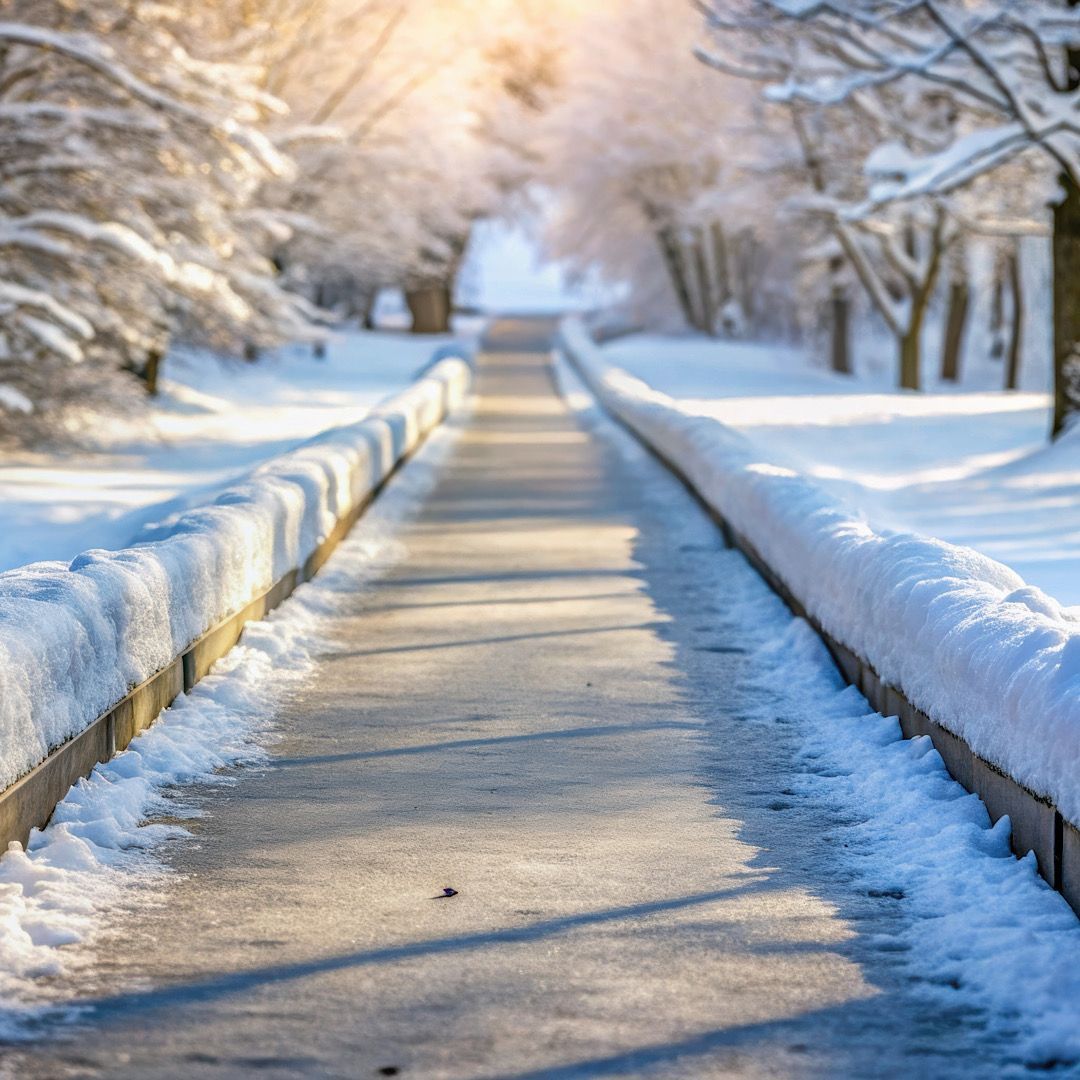
freeze-thaw cycles, dry air, and deicing chemicals are common, concrete is constantly under stress.
Creteworx works with homeowners who want long-lasting results, and one important reality in today’s industry is that 1L concrete is now the standard material being used.
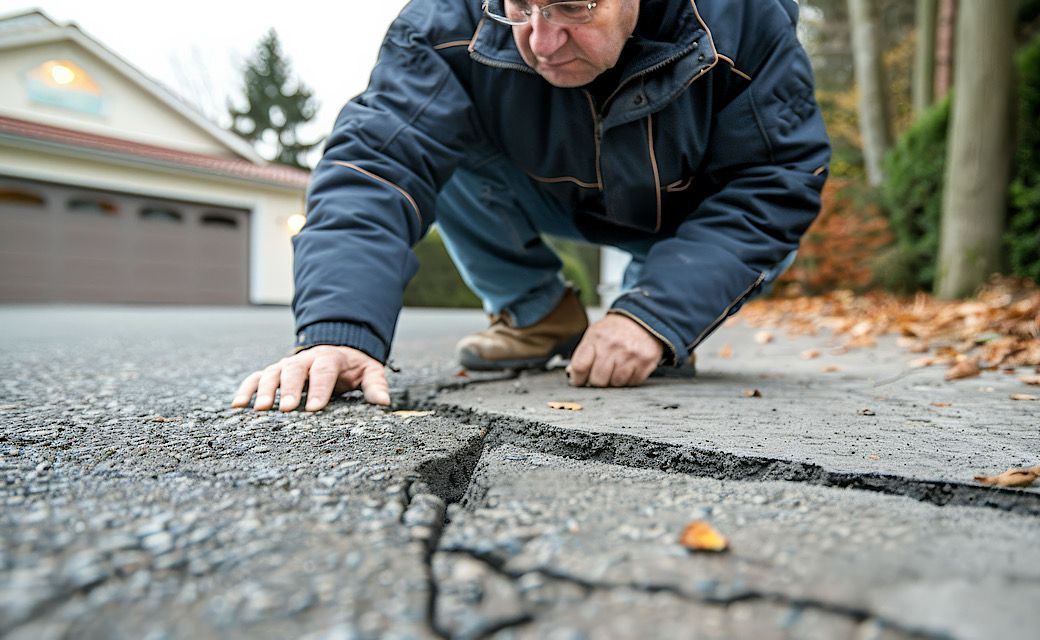
While 1L concrete (portland-limestone cement) is widely available and commonly used across the industry, it behaves differently than traditional Type 1/2 mixes. In Colorado conditions, it can be more prone to issues like surface spalling or delamination if not installed and maintained properly. That does not mean it cannot perform well—it simply means that proper installation practices and care are more important than ever.
Understanding how to set 1L concrete up for success is the key to getting long-term durability from any replacement project.
What Is 1L Concrete and Why It’s Used Today
1L concrete is made with portland-limestone cement, which includes finely ground limestone as part of the mix. It has become the standard across much of the construction industry due to material availability and environmental considerations.
For homeowners, the most important thing to understand is:
- 1L concrete is now the most commonly used mix
- It can perform well when installed correctly
- It requires more attention to detail during installation and curing
Rather than focusing on comparing it to older mixes, the focus should be on how it is handled during the installation process. The quality of workmanship plays a major role in how well the concrete holds up over time.
Why Colorado Conditions Are Tough on Concrete
Concrete in Castle Rock faces a combination of environmental factors that can accelerate wear, especially if the surface is not properly finished or protected.
Key challenges include:
- Freeze-thaw cycles that cause expansion and surface stress
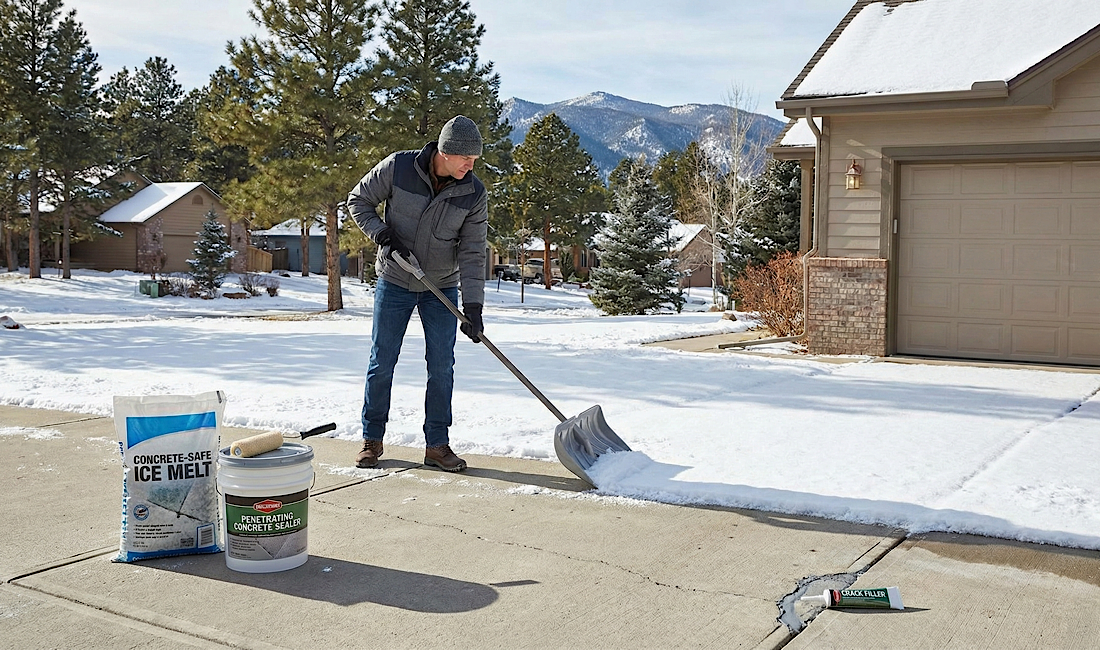
- Deicing products like magnesium chloride that can impact the surface
- Dry air and sun exposure that can lead to rapid moisture loss
These conditions make it critical to follow best practices during installation. Without proper preparation and curing, even new concrete can begin to show signs of wear earlier than expected.
How to Set 1L Concrete Up for Success
The performance of 1L concrete depends heavily on how it is installed, finished, and maintained. Small details during the installation process can make a significant difference in long-term durability.
Key factors that improve performance include:
- Proper water-to-cement ratio: Too much water weakens the surface and increases the risk of scaling
- Use of admixtures: Air entrainment and other additives help improve freeze-thaw resistance
- Correct finishing techniques: Overworking the surface can lead to premature deterioration
- Curing compound application: Helps retain moisture and strengthen the concrete during early stages
- Sealing the surface: Protects against moisture intrusion and deicing chemicals
According to the American Concrete Institute, proper curing and moisture control are essential for achieving durable, long-lasting concrete. In Colorado’s climate, these steps are not optional—they are critical.
Why Installation Quality Matters More Than the Mix
One of the biggest misconceptions about concrete is that the mix alone determines performance. In reality, installation practices have a greater impact on how long concrete lasts.
A well-installed slab with proper base preparation, joint placement, and curing will consistently outperform poorly installed concrete—regardless of the mix used. This is especially true with 1L concrete, where attention to detail during finishing and curing directly affects how the surface holds up against weather and use.
For homeowners, this means
choosing an experienced contractor is just as important as the material itself. Proper installation ensures the concrete is built to handle Colorado’s conditions from day one.
FAQs
Is 1L concrete worse than traditional concrete?
It performs differently and can be more sensitive to installation practices, especially in harsh climates.
Why is 1L concrete used today?
It is now the standard material available across much of the construction industry.
Can 1L concrete last as long as older mixes?
Yes, when installed and maintained properly, it can provide long-term durability.
What causes concrete to spall or flake?
Common causes include excess water in the mix, improper finishing, and exposure to freeze-thaw cycles and deicing chemicals.
How can homeowners protect new concrete?
Proper curing, sealing, and avoiding excessive deicing chemicals help extend its lifespan.
Concrete replacement in Castle Rock, CO requires more than just pouring a new surface—it requires an understanding of how modern materials perform in local conditions. While 1L concrete is now the industry standard, its long-term success depends on proper installation, curing, and maintenance.
When these factors are handled correctly, homeowners can still achieve durable, long-lasting results.
Creteworx specializes in concrete replacement projects designed for Colorado’s climate, focusing on the details that make a real difference in performance. For those planning a
driveway,
patio, or
walkway replacement,
call Creteworx at 720-350-3503 to ensure your project is set up for long-term success.