For commercial property owners in Denver and surrounding Colorado communities, a parking lot is more than a surface—it is a critical piece of infrastructure. It must handle constant vehicle traffic, support heavy loads, withstand Colorado’s freeze-thaw cycles, and present a professional first impression to tenants, customers, and inspectors.
Heavy-duty concrete parking lots are designed to meet these demands. When properly planned and installed, concrete parking lots deliver long-term durability, lower lifecycle costs, and consistent performance in high-traffic environments. This guide explores practical concrete solutions for commercial property owners who need reliability, safety, and value.
Why Concrete Is Ideal for High-Traffic Parking Lots
Commercial parking lots experience stresses far beyond residential use. Delivery trucks, service vehicles, employee traffic, and customer turnover all place repeated strain on the surface.
Concrete performs exceptionally well in these conditions because it distributes weight more evenly and resists deformation. Unlike flexible surfaces that can rut or soften under load, concrete maintains structural integrity over time.
For Denver businesses, concrete parking lots offer:
- Strong load-bearing capacity
- Resistance to surface rutting and deformation
- Consistent performance in temperature extremes
- Long service life with proper construction
These qualities make concrete a practical investment for long-term commercial use.
Designing for Denver’s Climate and Traffic Patterns
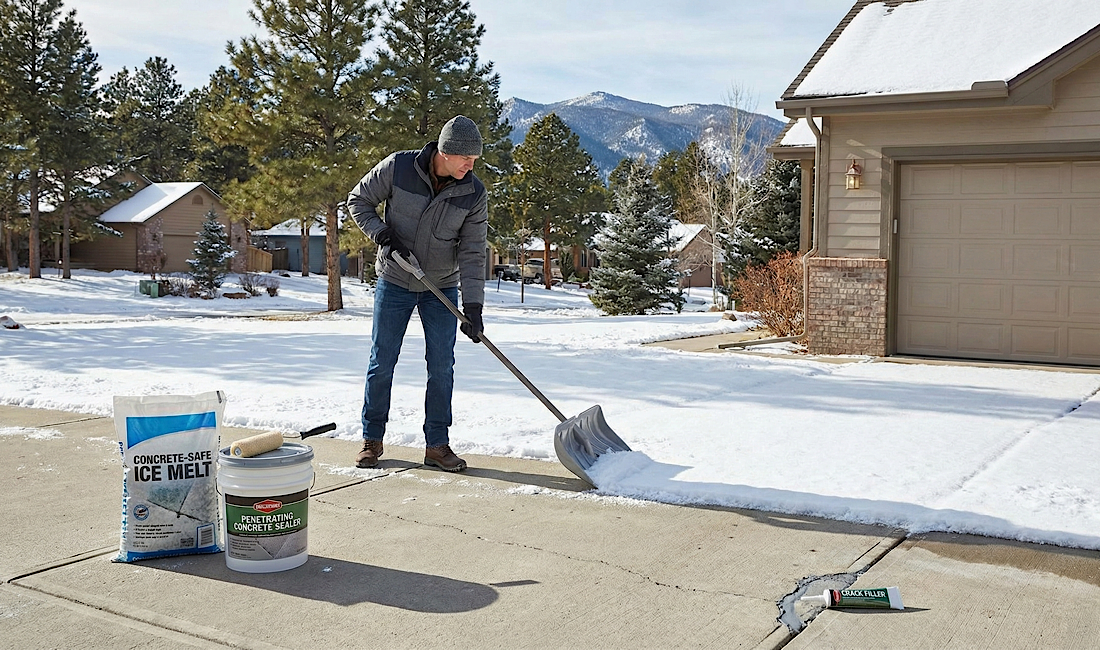
Colorado’s climate plays a major role in parking lot performance. Freeze-thaw cycles, snow removal, and deicing products all affect surface durability.
Heavy-duty concrete parking lots must be designed with these conditions in mind. Proper thickness, reinforcement, and joint placement help manage expansion and contraction while minimizing cracking.
Key design considerations include:
- Adequate slab thickness for vehicle loads
- Reinforcement appropriate for traffic volume
- Strategic joint layout to control cracking
- Slopes and drainage to prevent standing water
Designing for climate and traffic from the start reduces costly repairs later.
Concrete Thickness and Structural Planning
Thickness is one of the most important factors in durable parking lot construction. Commercial parking lots typically require thicker slabs than residential driveways to support heavier and more frequent loads.
Under-designed slabs are more likely to crack, settle, or fail prematurely. Heavy-duty concrete solutions are engineered to match the specific demands of the site.
Structural planning often evaluates:
- Expected vehicle types and weights
- Traffic frequency and turning areas
- Loading zones and dumpster locations
- Subgrade conditions
Tailoring thickness and reinforcement to actual use protects long-term performance.
Base Preparation: The Foundation of Durability
A strong concrete parking lot depends on what lies beneath the surface. Poor base preparation is one of the leading causes of premature concrete failure.
Professional installation includes proper excavation, compaction, and base material selection to support the slab evenly. Inconsistent or unstable subgrades lead to cracking and settlement regardless of concrete quality.
Base preparation best practices include:
- Removing unsuitable soils
- Compacting base layers thoroughly
- Ensuring uniform support across the slab
- Addressing drainage before pouring
This foundational work is critical for high-traffic concrete applications.
Jointing and Crack Management in Commercial Lots
All concrete cracks. The goal in commercial construction is to control where cracking occurs so it does not compromise function or appearance.
Control joints allow concrete to move naturally without creating random cracking. Proper joint spacing and layout are essential in large parking areas.
Effective joint planning:
- Reduces uncontrolled cracking
- Improves long-term appearance
- Supports easier maintenance and repair
- Protects slab integrity
Well-planned joints are a sign of professional concrete construction.
Durability Under Constant Use
High-traffic parking lots must perform every day without downtime. Concrete’s rigidity allows it to handle repeated loading without surface breakdown.
Concrete is especially effective in areas with frequent stopping, turning, and idling—conditions that accelerate wear in other materials.
Durability benefits include:
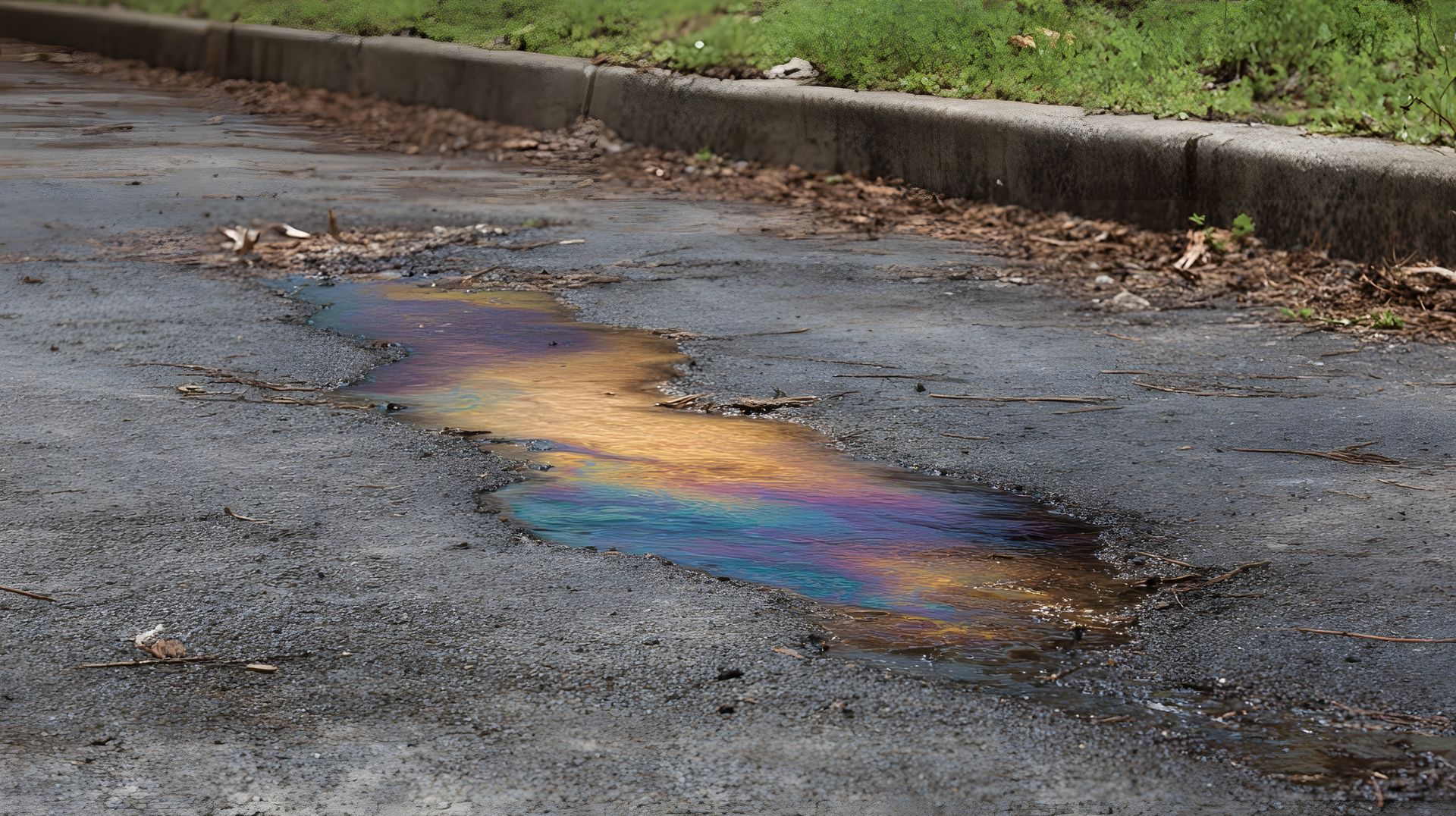
- Resistance to fuel and fluid drips
- Strong performance under turning tires
- Minimal surface distortion
- Long service intervals
For commercial owners, durability translates into fewer disruptions and predictable maintenance.
Maintenance and Long-Term Cost Efficiency
While concrete parking lots may require higher upfront investment than some alternatives, they often deliver lower total cost of ownership.
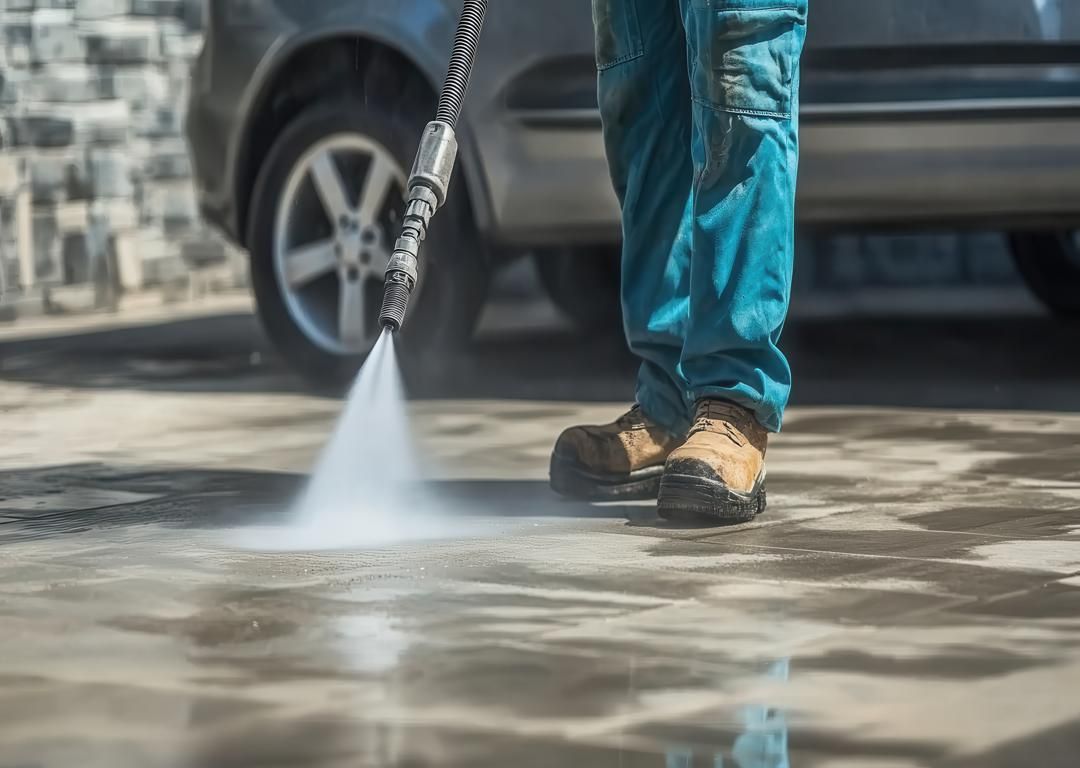
Concrete typically requires less frequent resurfacing and repair. When maintenance is needed, it is often localized rather than system-wide.
Long-term value advantages include:
- Reduced frequency of major repairs
- Lower maintenance interruptions
- Longer service life
- Strong performance under heavy use
For property owners focused on asset longevity, concrete is a cost-efficient choice.
Safety, Compliance, and Professional Appearance
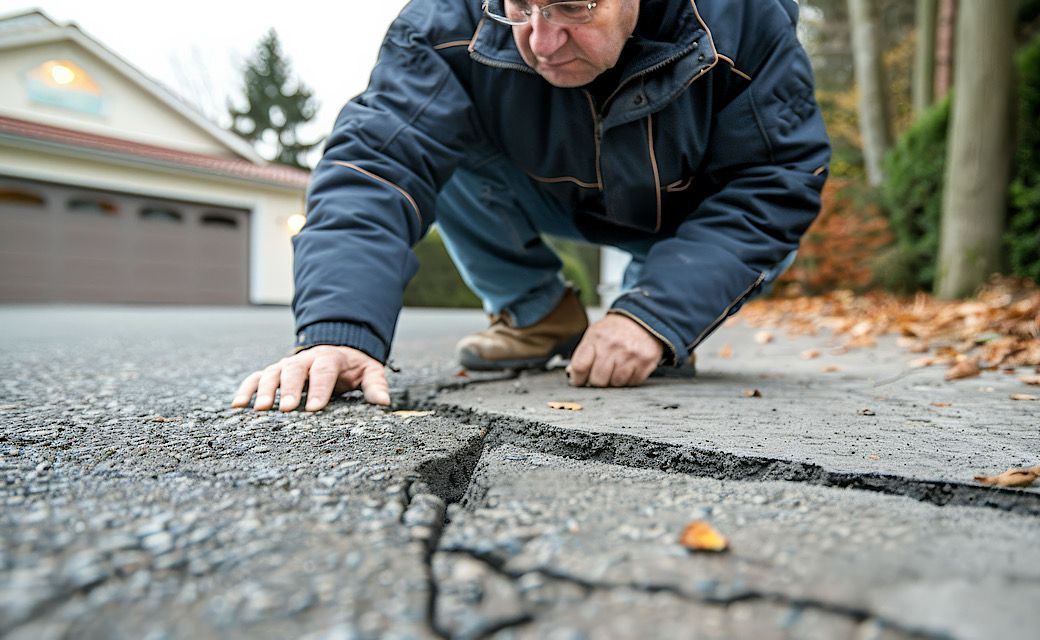
Parking lots are part of a business’s public-facing environment. Cracked or uneven surfaces create safety risks and detract from professional appearance.
Concrete parking lots provide:
- Stable, even walking surfaces
- Clear striping and layout visibility
- Improved safety for pedestrians and vehicles
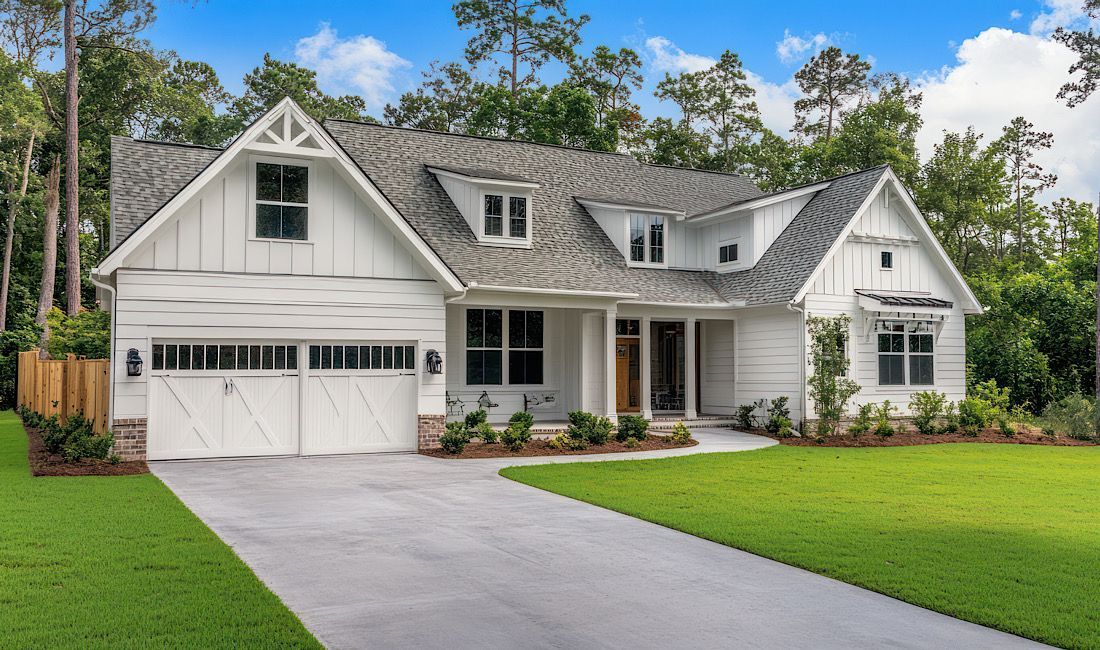
- A clean, professional look
Well-maintained concrete surfaces also support inspections and reduce liability concerns.
Planning for Repairs vs. Replacement
Not every aging parking lot requires full replacement. In some cases, targeted repairs or resurfacing may extend service life.
Professional planning and inspection services help determine whether repair or replacement is the most cost-effective option. Addressing issues early often prevents larger failures.
Factors influencing repair decisions include:
- Extent of cracking or settlement
- Drainage performance
- Load demands
- Remaining service life
Accurate assessment protects capital planning and operational continuity.
How Creteworx Supports Commercial Concrete Projects
Creteworx provides professional concrete services to commercial property owners in Castle Rock, CO, and the greater Denver area, including parking lots, driveways, walkways, concrete coatings, and planning and inspection services. Their team focuses on durable construction, clear project planning, and solutions designed for high-traffic commercial use.
By evaluating site conditions, usage demands, and long-term goals, Creteworx helps business owners and property managers implement concrete parking lot solutions that deliver reliability and value.
Common Questions from Commercial Property Owners
Is concrete better than other materials for parking lots?
For high-traffic and heavy-load environments, concrete often provides better durability and longer service life.
How long do concrete parking lots last?
With proper design and maintenance, concrete parking lots can last several decades.
Can concrete parking lots handle delivery trucks?
Yes. Heavy-duty concrete is specifically designed to support frequent truck traffic.
Does concrete require a lot of maintenance?
Concrete generally requires less frequent major maintenance than many alternatives.
Key Takeaways for Commercial Parking Lots
- High-traffic environments demand heavy-duty concrete design
- Proper planning and base preparation are critical
- Concrete delivers long-term durability and cost efficiency
- Controlled jointing protects surface integrity
- Professional installation reduces risk and downtime
A well-built concrete parking lot is an investment in operational stability.
Creteworx proudly serves Denver-area businesses and commercial property owners with professional concrete parking lot solutions designed for durability and performance. If you are planning a new parking lot or evaluating an existing surface, contact Creteworx to
schedule a consultation and discuss concrete solutions built for high-traffic commercial needs.