Colorado winters can be tough on concrete. Freezing temperatures, snow accumulation, ice melt products, and repeated freeze-thaw cycles all place stress on driveways, patios, and walkways. Without proper care, even well-installed concrete can develop cracks, surface damage, and safety hazards over time.
Seasonal maintenance is one of the most effective ways to
protect concrete surfaces and extend their lifespan. For homeowners and property owners in Castle Rock and the Denver area, winter preparation is not about complicated fixes. It is about consistent, practical steps that reduce damage and keep surfaces safe during colder months.
This concrete maintenance checklist outlines what to do before, during, and after winter to protect concrete and avoid common cold-weather problems.
Why Winter Concrete Care Matters in Colorado
Concrete is durable, but it is also porous. Moisture can enter the surface, freeze, expand, and create internal pressure that leads to cracking or surface scaling. In Colorado, frequent temperature swings increase how often this process repeats.
Winter concrete damage often shows up in spring, when cracks widen, surfaces flake, or sections become uneven. Preventive care helps minimize these issues before they start.
Proper winter concrete care helps:
- Reduce cracking and surface deterioration
- Improve safety during icy conditions
- Extend the life of concrete surfaces
- Protect long-term appearance and performance
Seasonal maintenance is far more cost-effective than reactive repair.
Pre-Winter Inspection: Start with a Surface Check
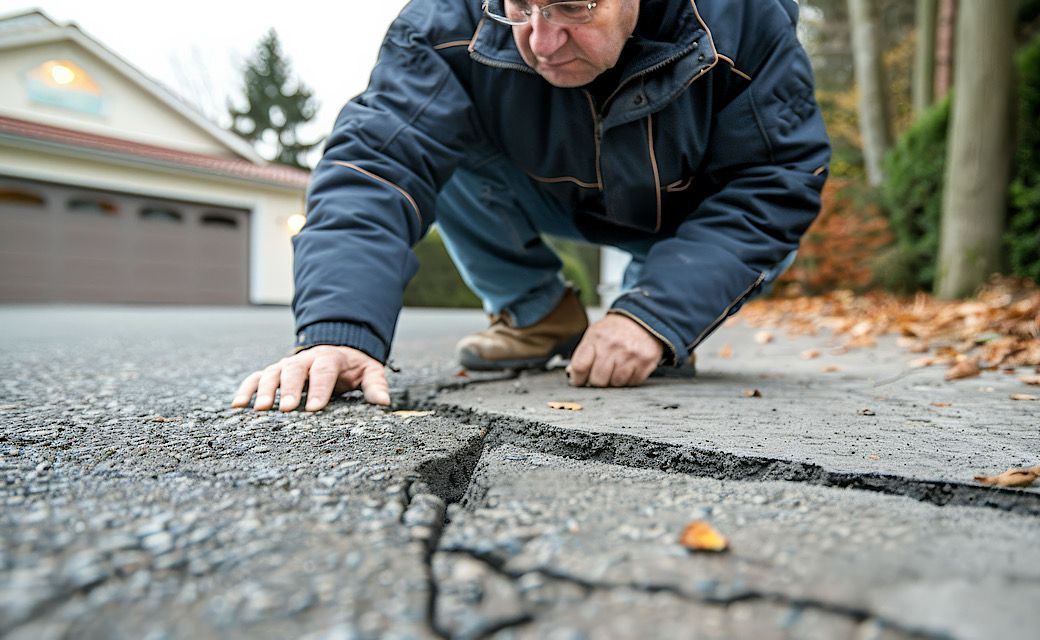
Before winter arrives, take time to inspect all concrete surfaces around the property. Identifying small issues early can prevent them from becoming larger problems once freezing temperatures set in.
Key areas to inspect include driveways, walkways, patios, steps, and edges near landscaping or drainage points.
Look for:
- Visible cracks or separation
- Surface flaking or chipping
- Uneven sections or settling
- Areas where water pools after rain
If issues appear structural or widespread, professional planning and inspection services can help determine whether repair is needed before winter.
Seal Concrete to Reduce Moisture Intrusion
One of the most important steps in winter concrete care is sealing. Sealers create a protective barrier that reduces water absorption, helping prevent freeze-thaw damage.
Not all concrete requires sealing every year, but surfaces exposed to moisture, snow, and deicing products benefit the most.
Driveways and walkways are especially vulnerable.
Benefits of sealing include:
- Reduced water penetration
- Protection against deicing chemicals
- Improved resistance to surface scaling
- Easier winter cleanup
Sealing should be done in appropriate weather conditions, typically before temperatures drop consistently below freezing.
Address Cracks Before Freezing Temperatures
Small cracks may seem harmless, but winter makes them worse. Water enters cracks, freezes, and expands, forcing the crack wider.
Before winter, minor cracks should be evaluated and addressed if appropriate. Cosmetic or surface-level cracks may be manageable, while larger or active cracks often require professional assessment.
Why
crack management matters:
- Prevents water from entering the slab
- Reduces expansion damage
- Helps maintain surface integrity
Ignoring cracks through winter often leads to more extensive repair needs in spring.
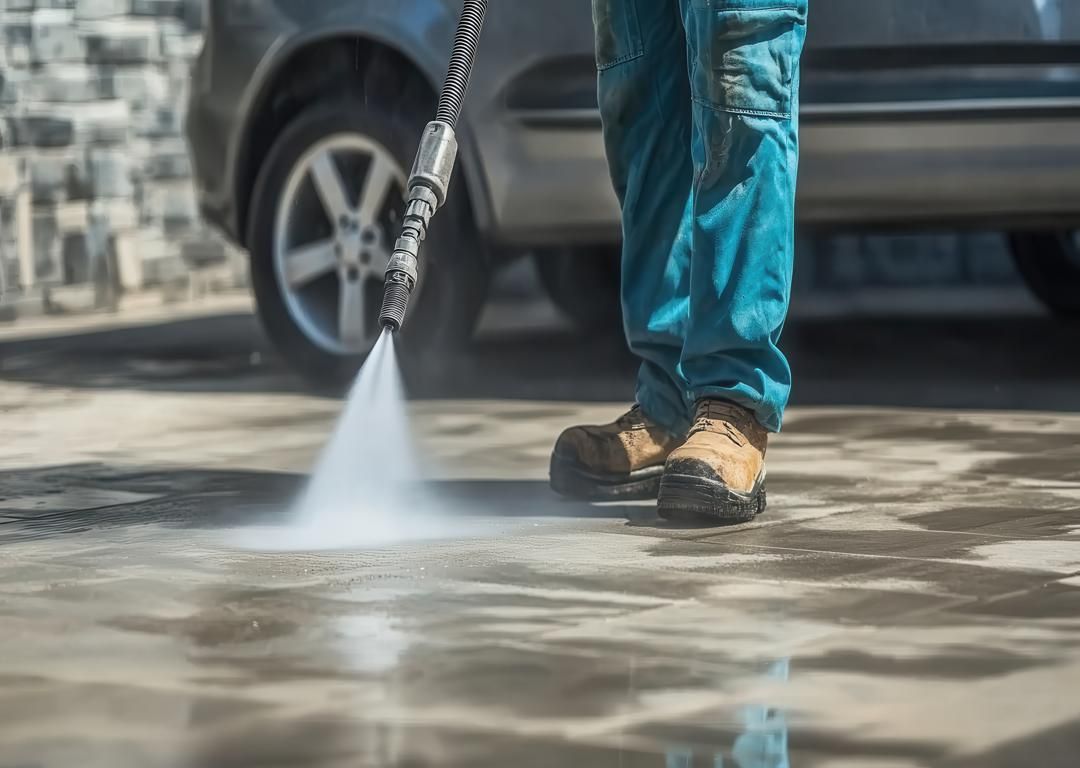
Keep Concrete Clean Going into Winter
Dirt, leaves, and debris can trap moisture against concrete surfaces. Organic material left on concrete through winter increases the risk of staining and surface deterioration.
Before snowfall becomes frequent, clean concrete surfaces thoroughly. This helps prevent moisture buildup and improves the effectiveness of sealers.
Cleaning tips include:
- Remove leaves, dirt, and debris
- Avoid harsh cleaning chemicals
- Allow surfaces to dry fully before sealing
Clean concrete performs better and is easier to maintain throughout winter.
Choose the Right Deicing Products
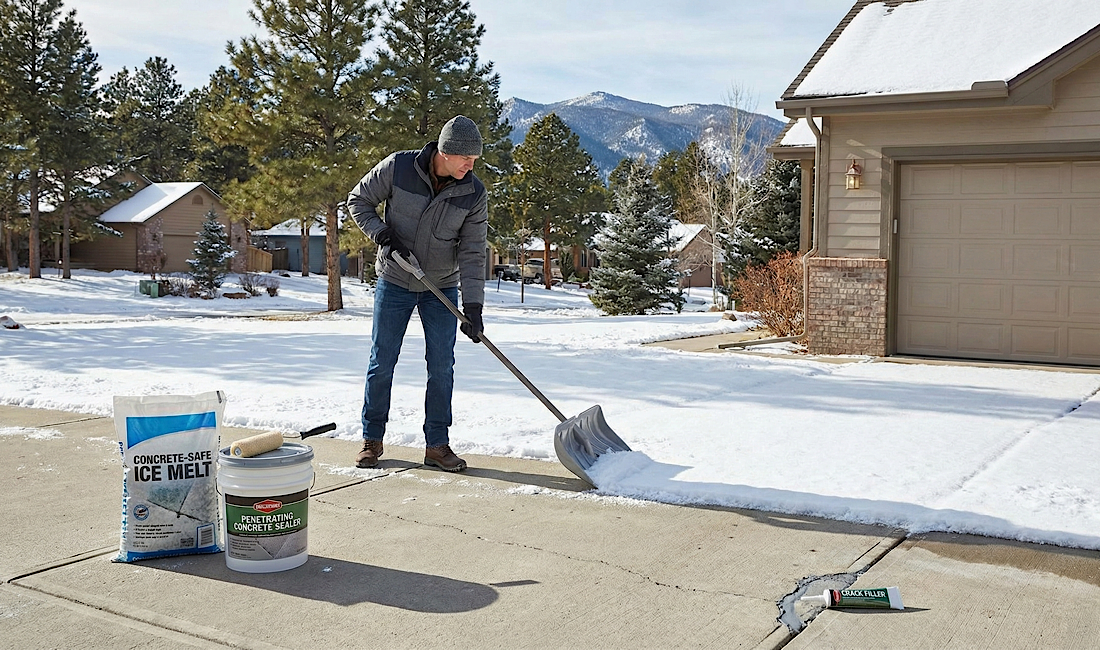
Deicing products help improve safety, but some can damage concrete. Many traditional ice melts contain chemicals that accelerate surface scaling and deterioration.
Concrete-safe deicers are designed to be less harsh on surfaces, especially when used in moderation. Even safer products should be applied thoughtfully.
Winter deicing best practices include:
- Use products labeled safe for concrete
- Avoid excessive application
- Sweep away residue when conditions improve
- Do not mix multiple deicing products
Using the right materials helps balance safety and surface protection.
Snow Removal Practices That Protect Concrete
Snow removal is necessary for safety, but improper methods can damage concrete surfaces.
Metal shovels, sharp tools, and aggressive scraping can chip or scratch concrete. Over time, this damage allows moisture to penetrate more easily.
Concrete-friendly snow removal tips:
- Use plastic shovels or snow pushers
- Avoid striking the surface aggressively
- Clear snow promptly to reduce refreezing
- Be cautious near edges and joints
Gentle removal methods preserve surface integrity while maintaining safety.
Watch for Drainage and Ice Buildup
Poor drainage is one of the biggest contributors to winter concrete damage. Areas where water pools are more likely to experience freeze-thaw stress.
During winter, monitor how snowmelt and water move across concrete surfaces. Ice buildup in the same locations often signals drainage issues.
Drainage concerns to watch for include:
- Persistent ice patches
- Water flowing toward slabs
- Soil erosion near edges
Addressing drainage problems early reduces long-term damage and safety risks.
Mid-Winter Maintenance: Small Steps That Make a Difference
Concrete care does not stop once winter begins. Ongoing attention helps minimize wear during the harshest months.
Mid-winter maintenance includes:
- Clearing snow promptly after storms
- Reapplying deicer only when necessary
- Monitoring high-traffic areas for wear
- Keeping surfaces free of standing water
These simple actions reduce cumulative stress on concrete surfaces.
Spring Follow-Up: Evaluate Winter Impact
After winter, concrete should be inspected again. Freeze-thaw damage often becomes visible once temperatures rise.
Spring inspection helps determine whether surfaces need minor maintenance, repair, or resealing. Addressing issues early prevents them from worsening during the next winter cycle.
Post-winter evaluation should look for:
- New or widened cracks
- Surface flaking or scaling
- Changes in slope or alignment
- Areas that retained moisture
Professional planning and inspection services can help prioritize next steps.
How Professional Planning Supports Long-Term Concrete Care
Winter maintenance is most effective when paired with proper planning and installation. Well-designed concrete surfaces are better equipped to handle Colorado’s climate.
CreteWorx provides
professional concrete services in Castle Rock, CO, and the greater Denver area, including driveways, walkways, patios, concrete coatings, and planning and inspection services. Their approach focuses on durable construction and long-term performance.
Planning and inspection services help identify vulnerabilities before winter and ensure maintenance efforts are applied where they matter most.
Common Questions About Winter Concrete Maintenance
Is concrete damaged every winter?
Not necessarily. Proper installation and maintenance significantly reduce winter damage.
Do all concrete surfaces need to be sealed?
Not always, but high-exposure areas benefit the most from sealing.
Can deicing products ruin concrete?
Some products can accelerate surface damage if used excessively or incorrectly.
Should cracked concrete always be repaired before winter?
Small cracks may be manageable, but growing or structural cracks should be evaluated professionally.
Key Takeaways: Winter Concrete Care Checklist
- Inspect concrete before winter begins
- Clean and seal exposed surfaces
- Address cracks early
- Use concrete-safe deicers
- Remove snow carefully
- Monitor drainage and ice buildup
- Reinspect concrete after winter
Consistent winter care protects both safety and long-term value.
CreteWorx proudly serves Castle Rock, CO, and the greater Denver area with professional concrete services designed to perform in Colorado’s toughest conditions. If you want help preparing concrete surfaces for winter or evaluating damage after freezing temperatures,
contact CreteWorx to schedule a consultation and protect your concrete investment year-round.