Taking on a
concrete repair project can feel empowering. For many DIY enthusiasts in Castle Rock and the Denver area, fixing a crack or patching a worn surface seems like a manageable weekend task. Some concrete repairs truly are DIY-friendly. Others, however, can quickly turn into costly mistakes if the underlying issues are misunderstood.
Concrete is strong, but it is also complex. When repairs are done incorrectly, they often fail faster than the original problem and can make professional repair more difficult later. This guide is designed to help DIY homeowners understand common concrete repair mistakes, recognize when a project is within reach, and know when it is smarter to call in professional help.
Why Concrete Repairs Fail More Often Than Expected
One of the biggest misconceptions about concrete is that all cracks or surface issues mean the same thing. In reality, concrete problems have different causes, and treating the symptom without addressing the cause usually leads to failure.
Concrete moves, expands, contracts, and responds to soil conditions and moisture. Repairs that ignore these forces often look fine at first, then crack, separate, or deteriorate within months.
Most failed DIY repairs happen because of:
- Misdiagnosing the problem
- Using the wrong repair materials
- Skipping proper surface preparation
- Attempting structural fixes with cosmetic solutions
Understanding these risks is the first step toward smarter DIY decisions.
Mistake #1: Treating All Cracks the Same
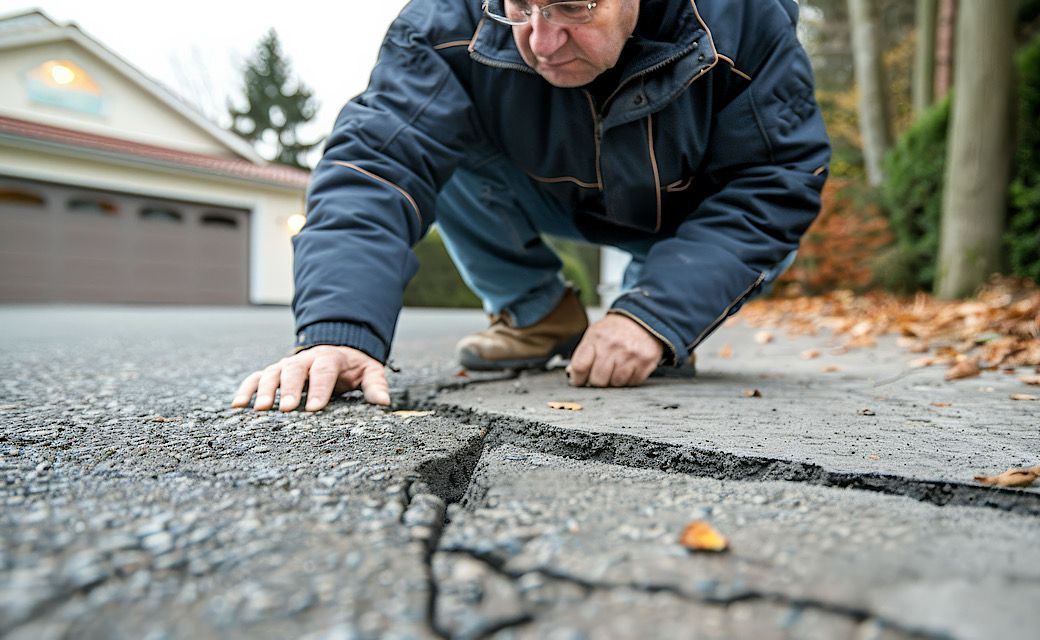
Not all cracks are created equal. Hairline surface cracks, shrinkage cracks, and structural cracks require very different approaches.
DIYers often make the mistake of filling every crack with the same product without understanding why the crack formed. Some cracks are cosmetic and stable. Others signal movement, settling, or drainage problems.
Problems with this approach include:
- Repairs reopening as concrete continues to move
- Wasted time and materials
- False sense of security
If cracks are wide, uneven, or continue to grow, they often require professional evaluation before repair.
Mistake #2: Skipping Proper Surface Preparation
Surface preparation is one of the most important steps in any
concrete repair, and it is also one of the most commonly skipped.
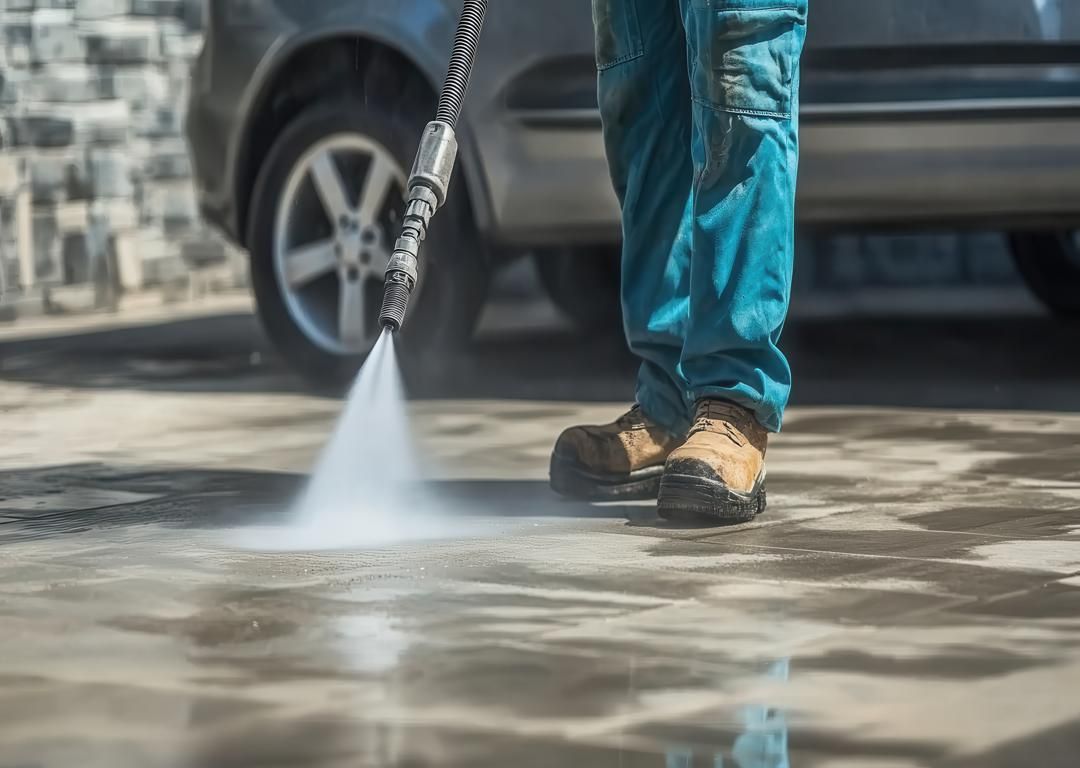
Concrete repair materials need clean, stable surfaces to bond properly. Dirt, loose concrete, moisture, and old sealers can all prevent adhesion.
Common prep mistakes include:
- Not removing loose or crumbling concrete
- Applying repairs to damp or dirty surfaces
- Skipping cleaning and profiling steps
- Rushing into repairs without allowing surfaces to dry
Even high-quality repair products will fail if the surface is not properly prepared.
Mistake #3: Using the Wrong Repair Products
Hardware store shelves are full of concrete repair products, but not all products are appropriate for all repairs. DIYers often choose products based on convenience rather than compatibility.
Some materials are designed for cosmetic patching only. Others are meant for structural or load-bearing repairs. Using the wrong product can result in cracking, separation, or uneven appearance.
Examples of product-related mistakes include:
- Using rigid materials where flexibility is needed
- Applying thin patch products to deep repairs
- Mixing incompatible materials together
- Ignoring manufacturer instructions
Choosing the right repair method is just as important as the repair itself.
Mistake #4: Ignoring Underlying Drainage or Soil Issues
Concrete problems often start below the surface. Poor drainage, soil movement, and erosion can all cause cracking, settling, and uneven slabs.
DIY repairs that focus only on the visible damage rarely last if these underlying issues remain. Patching over movement does not stop movement.
Warning signs that drainage or soil may be involved include:
- Repeated cracking in the same area
- Uneven or sunken slabs
- Water pooling near concrete surfaces
- Cracks that widen over time
These issues typically require
professional assessment and planning to resolve correctly.
Mistake #5: Attempting Structural Repairs Without Experience
Some concrete repairs go beyond cosmetic fixes. Structural issues, load-bearing surfaces, and safety-critical areas require experience and proper planning.
Driveways, walkways, patios, and steps all support weight and daily use. Improper repairs can create trip hazards or safety risks.
DIYers should be cautious when repairs involve:
- Load-bearing slabs
- Stairs or elevation changes
- Large sections of damaged concrete
- Surfaces that affect drainage or access
In these cases, professional concrete contractors help ensure repairs are safe, durable, and code-conscious.
Mistake #6: Overlooking Colorado Climate Factors
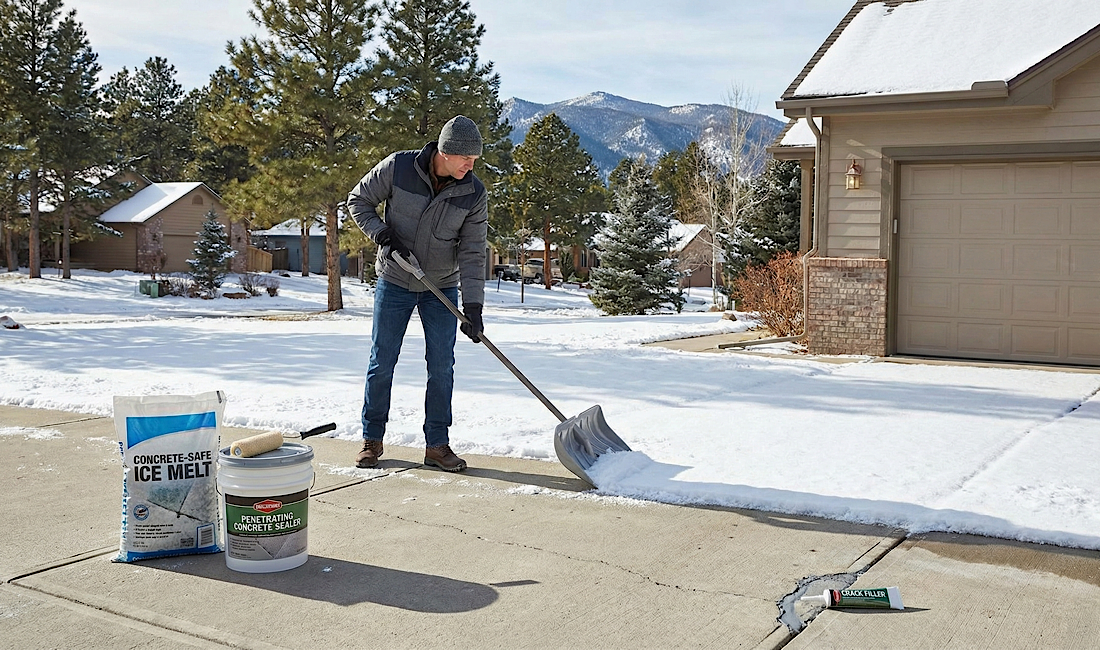
Colorado’s climate plays a major role in concrete performance. Freeze-thaw cycles, snow removal, and deicing products all stress concrete surfaces.
DIY repairs that do not account for these conditions often fail prematurely. Materials that perform well in mild climates may not hold up in Castle Rock or Denver.
Climate-related mistakes include:
- Repairing concrete too late in the season
- Using materials not rated for freeze-thaw exposure
- Failing to seal repairs properly
- Ignoring moisture protection
Timing and material selection are especially important in Colorado.
Mistake #7: Chasing Short-Term Savings at the Expense of Longevity
DIY repairs are often motivated by cost savings. While this is understandable, short-term fixes can sometimes lead to higher long-term expenses.
A repair that fails may require removal, replacement, or more extensive professional work later. In some cases, improper DIY repairs increase overall project cost.
Smart DIY decision-making balances:
- Upfront cost versus lifespan
- Risk of failure
- Safety considerations
- Impact on property value
Sometimes the most cost-effective choice is knowing when not to DIY.
When DIY Concrete Repair Makes Sense
Not all DIY repairs are a bad idea. Some projects are well within reach for homeowners who take the time to prepare properly.
DIY-friendly concrete repairs may include:
- Small, stable hairline cracks
- Minor surface chips or spalling
- Sealing existing concrete surfaces
- Cosmetic touch-ups with appropriate products
These projects still require careful preparation and realistic expectations, but they can be satisfying and effective.
When to Call a Professional Concrete Contractor
Knowing when to call a professional is a sign of smart homeownership, not failure. Professional help is often the best choice when repairs affect safety, structure, or long-term durability.
Professional concrete services are recommended when:
- Cracks are wide, uneven, or spreading
- Concrete is sinking or heaving
- Repairs involve load-bearing surfaces
- Drainage or soil issues are present
- Long-term performance is critical
Planning and inspection services help identify the right solution before mistakes are made.
How Creteworx Helps Homeowners Avoid Costly Mistakes
Creteworx provides professional concrete services to homeowners in Castle Rock, CO, and the greater Denver area, including concrete repair, driveways, walkways, patios, concrete coatings, and planning and inspection services. Their team helps homeowners understand whether a repair is suitable for DIY or requires professional intervention.
By evaluating existing conditions and explaining options clearly, Creteworx helps homeowners avoid unnecessary repairs and long-term problems. Their planning and inspection services are especially valuable when concrete issues are unclear or recurring.
Common Questions from DIY Homeowners
Can DIY concrete repairs last long-term?
Some small repairs can last when done correctly, but many issues require professional solutions to address underlying causes.
Is it okay to patch cracks before selling a home?
Cosmetic patching may improve appearance, but structural issues should be addressed properly to avoid future problems.
How do I know if a crack is structural?
Cracks that are wide, uneven, or continue to grow often indicate deeper issues and should be professionally evaluated.
Will sealing concrete prevent future cracks?
Sealing helps protect surfaces from moisture but does not stop structural movement.
Key Takeaways for DIY Concrete Repairs
- Not all concrete problems are DIY-friendly
- Proper diagnosis is critical before repairing
- Surface preparation determines success or failure
- Climate conditions matter in Colorado
- Knowing when to call a professional protects your investment
DIY projects can be rewarding, but concrete repairs require careful judgment.
Creteworx proudly serves Castle Rock, CO, and the
greater Denver area with professional concrete repair, planning, and inspection services. If you are unsure whether a concrete repair is right for DIY or want expert guidance before starting, contact Creteworx to
schedule a consultation and protect your time, budget, and home.