Concrete is one of the most durable and widely used building materials, but its strength and longevity depend on a crucial process—curing. Proper curing ensures that concrete reaches its full potential, preventing cracks, shrinkage, and structural weaknesses. Whether for a
driveway, patio, or foundation, understanding the curing process is key to achieving strong, long-lasting results.
What Is Concrete Curing?
Curing is the process of maintaining adequate moisture, temperature, and time to allow concrete to develop its maximum strength. Once
concrete is poured, it begins to harden as a result of a chemical reaction called hydration.
However, this reaction needs controlled conditions to prevent premature drying, which can weaken the final structure.
Key Factors in Concrete Curing
- Moisture Retention: Keeping the concrete surface damp prevents cracking and allows for steady hydration.
- Temperature Control: Extreme heat can cause rapid drying, while cold weather can slow down the curing process.
- Time Duration: Concrete typically takes
28 days to reach full strength, but initial curing is most critical in the first
7 days.
Why Proper Curing Is Essential
Increases Concrete Strength
Curing allows the concrete to develop its full compressive strength, making it more resistant to pressure and weight. Without proper curing, concrete may be brittle and prone to early failure.
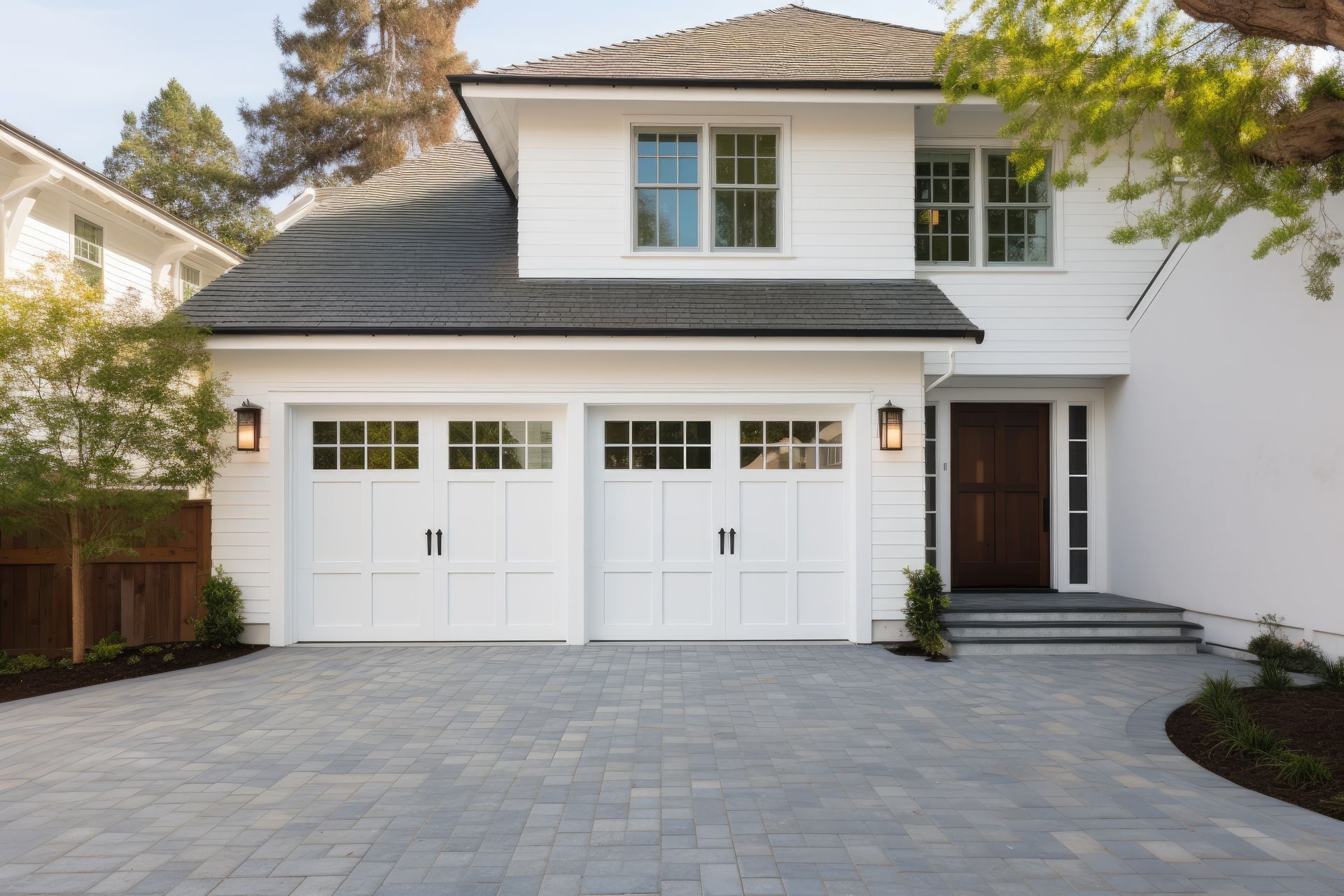
For example, a driveway that isn’t properly cured may develop weak spots, leading to cracks under the weight of vehicles.
Prevents Cracking and Shrinkage
Rapid moisture loss can cause concrete to shrink unevenly, leading to surface cracks. These cracks not only affect appearance but also reduce durability over time.
A concrete patio exposed to direct sunlight without curing may develop spider-web-like cracks, weakening the surface and allowing water to seep in.
Enhances Durability and Longevity
Well-cured concrete resists environmental damage, such as freeze-thaw cycles, heavy loads, and chemical exposure. This extends the lifespan of the structure, reducing the need for costly repairs.
For instance, a properly cured concrete sidewalk will withstand Colorado’s harsh winters much better than one that dried too quickly.
Improves Surface Finish
Curing ensures a smooth, even finish free of discoloration or rough patches, making decorative and stamped concrete projects look their best.
A stamped concrete pool deck cured correctly will maintain its rich color and texture, enhancing the overall outdoor aesthetic.
Best Methods for Curing Concrete
Water Curing
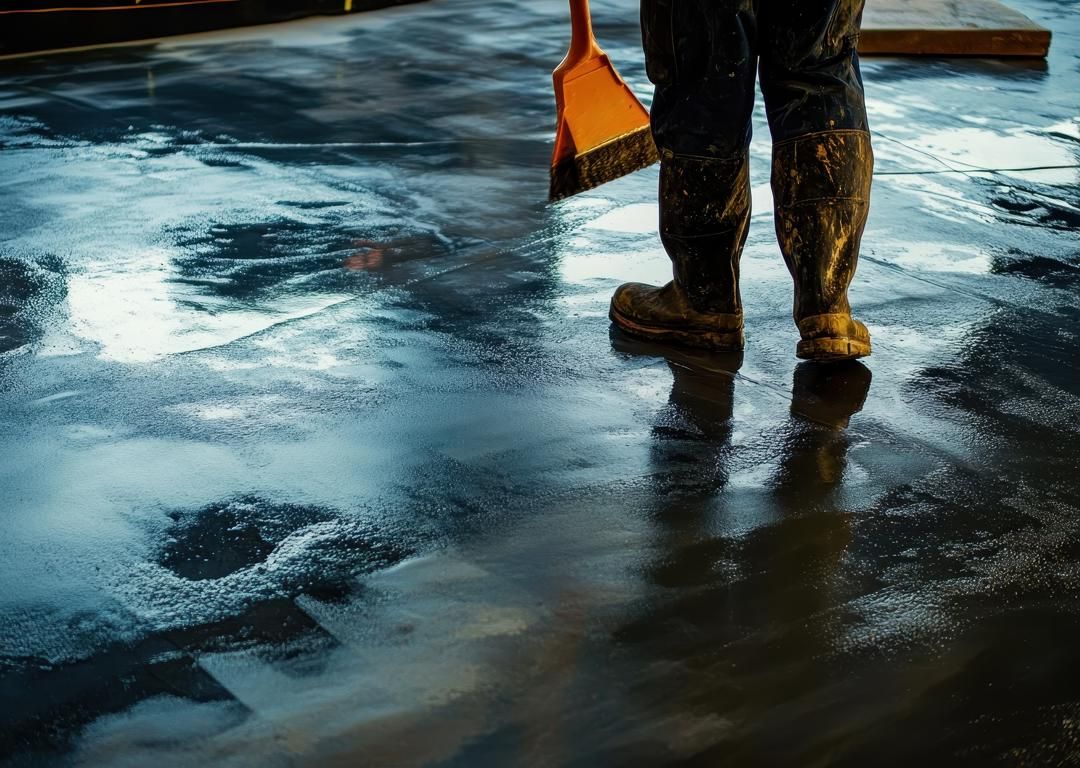
Keeping the surface wet using sprinklers, wet burlap, or soaking hoses ensures steady hydration and prevents early drying. This method is ideal for large flat surfaces like driveways and patios.
Curing Compounds
Applying a liquid curing compound creates a protective layer that seals in moisture, making it a convenient option for projects exposed to direct sunlight.
Covering with Plastic Sheets
Plastic sheeting traps moisture and regulates temperature, preventing rapid evaporation. This is useful for small projects like concrete slabs and pathways.
Wet Burlap or Fabric Covering
Draping wet fabric over the surface keeps the concrete hydrated while allowing gradual drying, preventing shrinkage cracks.
How Long Should Concrete Cure?
- 24-48 hours: Initial setting—avoid heavy traffic.
- 7 days: Concrete reaches about 50% of its strength; light foot traffic is okay.
- 28 days: Full curing—concrete reaches its maximum durability.
The Bottom Line
Curing is a vital step in any concrete project, ensuring long-term strength, durability, and a flawless finish. Whether installing a new driveway, patio, or walkway, proper curing techniques will protect the investment and prevent costly repairs.
For expert concrete installation and professional curing techniques,
Creteworx has you covered!
Contact us today at 720-262-2487 to ensure your concrete surfaces last for years to come.