Retaining walls play a critical role in managing slopes, preventing erosion, and protecting property in areas like Castle Rock, CO. Over time, exposure to harsh weather, soil movement, and drainage issues can cause these structures to fail. Many property owners begin noticing leaning walls, cracks, or shifting blocks after winter, which raises an important question: when is the best time to plan a retaining wall replacement?
Creteworx works with homeowners across Castle Rock to evaluate and replace failing retaining walls with solutions designed for Colorado’s unique conditions. Timing matters more than most people realize, and spring consistently stands out as the ideal season to start a project that will last.
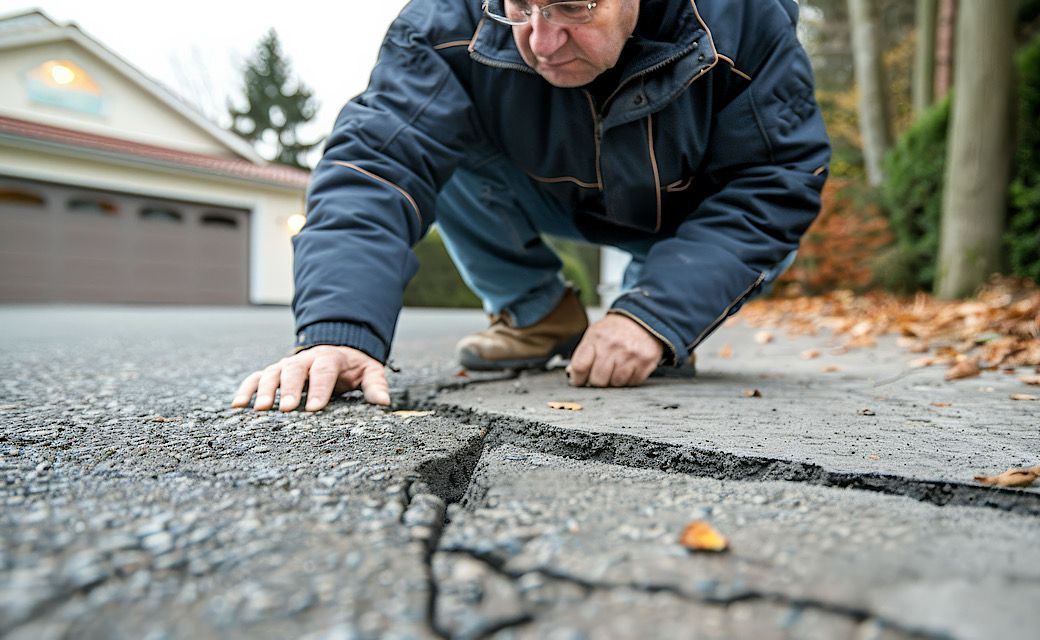
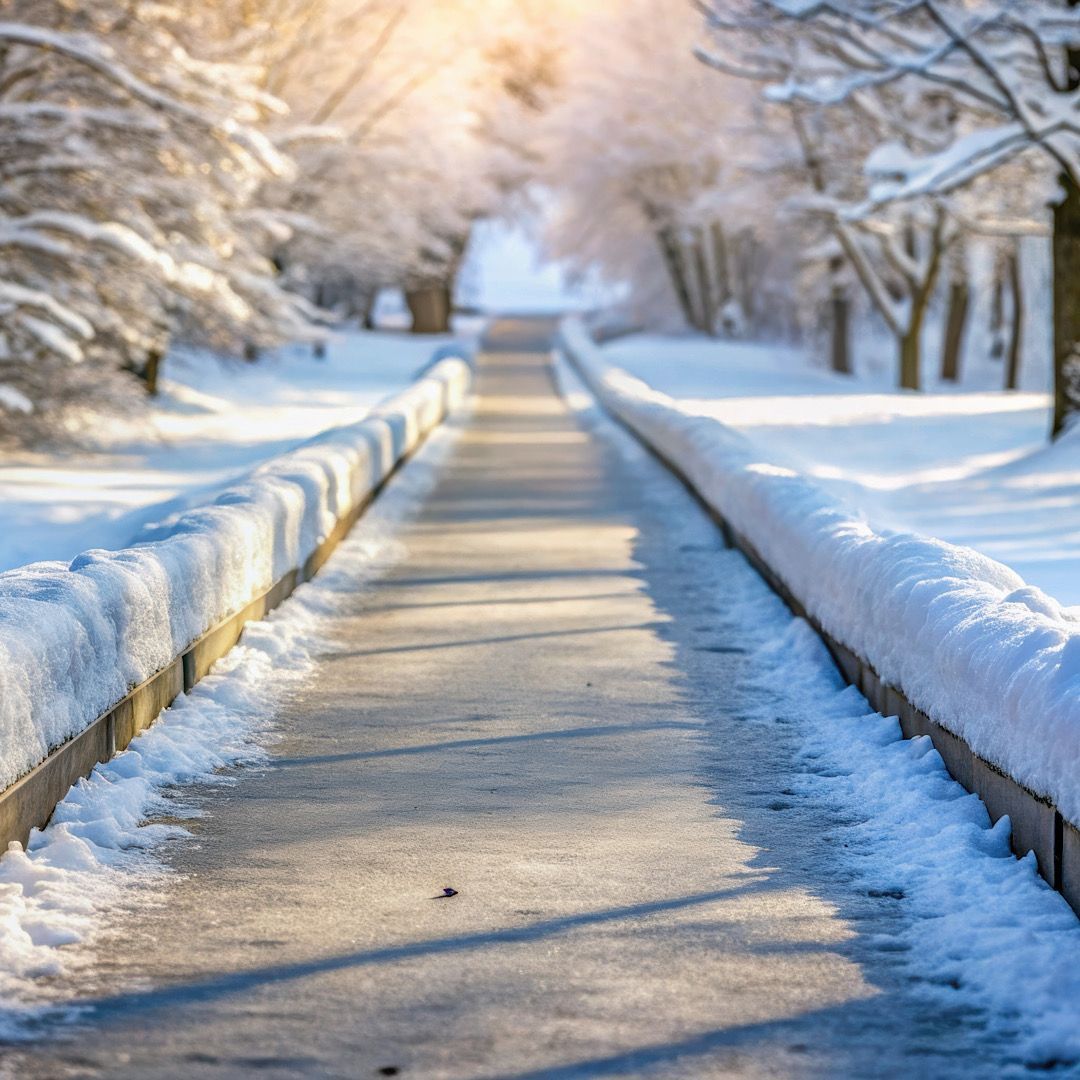
Winter in Colorado can be especially tough on retaining walls. Freeze-thaw cycles cause soil to expand and contract, putting pressure on the structure. Snowmelt adds moisture, which can worsen drainage problems and accelerate deterioration. By the time spring arrives, many retaining walls show visible signs of damage. Addressing these issues early helps prevent further structural problems and ensures the wall is ready to perform through the rest of the year.
Understanding
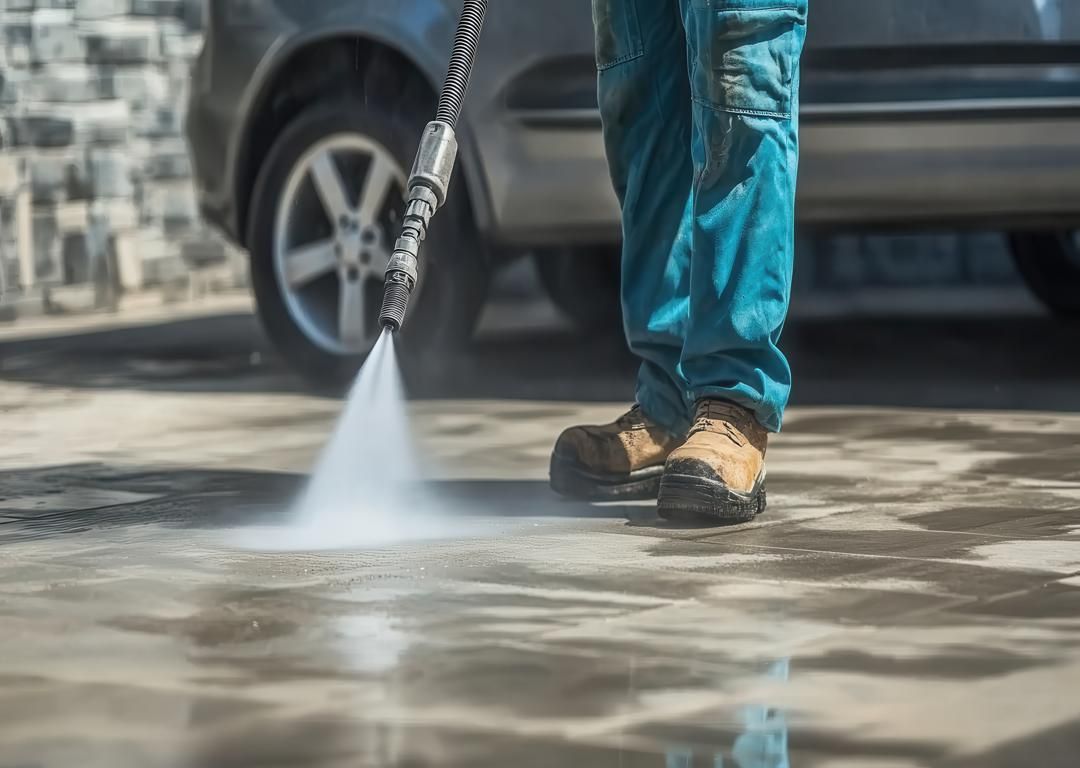
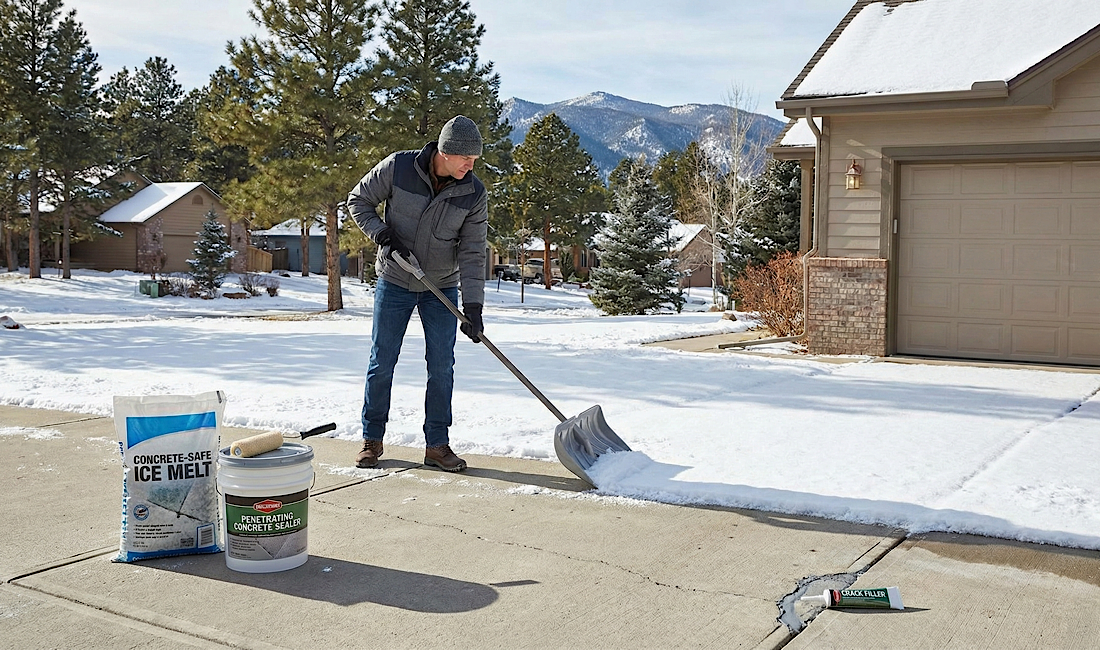
how winter weather impacts concrete surfaces and how to protect them can also help homeowners recognize early warning signs.
Why Spring Is the Best Time for Retaining Wall Replacement
Spring offers a combination of conditions that make it the most practical time for retaining wall replacement in Colorado. As temperatures rise and the ground begins to thaw, contractors can properly assess soil stability and drainage patterns.
Key advantages of spring projects include:
- Easier excavation due to thawed soil
- Better visibility of winter damage and drainage issues
- More stable conditions before heavy summer rains
Starting in spring also helps homeowners avoid peak-season scheduling delays. By planning early, projects can be completed before summer landscaping and outdoor use increases.
Signs It’s Time to Replace a Retaining Wall
Not all retaining wall issues can be repaired. In many cases, full replacement is the safest and most cost-effective solution.
Common warning signs include:
- Leaning or bowing walls
- Large cracks or separation between blocks
- Water pooling or poor drainage behind the wall
These issues often indicate underlying structural failure. Ignoring them can lead to further damage, including soil erosion or property instability.
Learning
how to spot concrete damage before it gets worse can help homeowners take action before problems escalate.
How Colorado Conditions Impact Retaining Walls
Colorado’s environment creates unique challenges for retaining wall performance. Castle Rock properties often deal with expansive soils, changing moisture levels, and steep terrain.
Important factors to consider:
- Freeze-thaw cycles: Expansion and contraction place stress on wall materials
- Soil movement: Shifting ground can push walls out of alignment
- Drainage issues: Poor water management increases pressure behind the wall
According to industry guidance, proper drainage systems are essential for long-term wall stability. Without them, even newly installed retaining walls can fail prematurely.
This is
why proper drainage is critical for your concrete surfaces is an important consideration during replacement planning.
What to Expect During a Replacement Project
Retaining wall replacement involves more than removing and rebuilding the structure. A successful project focuses on improving the underlying conditions that caused the original failure.
The process typically includes:
- Removing the existing wall
- Excavating and preparing the base
- Installing proper drainage systems
- Rebuilding with reinforced materials
Each step is designed to ensure the new wall performs better than the previous one. Proper planning and execution are key to long-term durability. Working with experienced professionals and understanding
what to expect when hiring a concrete contractor can help ensure a smooth project.
FAQs
When is the best time to build or replace a retaining wall in Colorado?
Spring is generally the best time because the ground has thawed and conditions are ideal for excavation and installation.
Can retaining walls be replaced in summer or fall?
Yes, but spring offers better conditions and scheduling flexibility before peak demand.
How long does a retaining wall last?
A well-built retaining wall can last 20–50 years, depending on materials and installation quality.
What causes retaining walls to fail?
Common causes include poor drainage, soil pressure, improper installation, and weather-related damage.
Is drainage really that important?
Yes, proper drainage is one of the most critical factors in preventing wall failure.
Replacing a retaining wall is not just about restoring appearance—it is about protecting the structural integrity of a property. Spring provides the ideal opportunity to address damage caused by winter and build a stronger, more reliable solution before the rest of the year unfolds.
Creteworx offers retaining wall replacement services in Castle Rock, CO, focusing on proper drainage, structural stability, and long-term performance. For property owners noticing signs of wall failure, now is the time to act.
Call Creteworx at 720-350-3503 to
schedule an evaluation and plan a retaining wall replacement built for Colorado conditions.