For many
retirees in Castle Rock, the home is a sanctuary—a place to relax, connect with family, and enjoy Colorado’s beautiful outdoors. Yet, as homeowners age, safety and accessibility become essential considerations, especially for patios and walkways. Simple design choices can make the difference between a space that is difficult to navigate and one that provides security, independence, and peace of mind.
Concrete, with its durability and flexibility, is one of the best materials for creating
senior-friendly patios and safe walkways. By incorporating thoughtful features such as slip-resistant finishes, gentle slopes, and accessible layouts, retirees can enjoy outdoor spaces that are not only attractive but also practical and secure.
Why Accessible Walkways and Patios Matter
According to the Centers for Disease Control and Prevention (CDC),
falls are the leading cause of injury among older adults, with one in four adults over 65 experiencing a fall each year. Many of these accidents occur around the home, often on uneven, slippery, or poorly designed outdoor surfaces.
For retirees in Castle Rock, safe walkways and patios:
- Reduce the risk of slips, trips, and falls.
- Provide accessibility for walkers, canes, or wheelchairs.
- Enable independence by making outdoor areas easier to navigate.
- Offer peace of mind for both homeowners and their loved ones.
Investing in accessible concrete designs is more than just a safety measure—it’s a way to maintain freedom and comfort while continuing to enjoy outdoor living.
Key Features of Accessible Concrete Walkways and Patios
Slip-Resistant Surfaces
Smooth concrete can become slick when wet, especially in snowy Castle Rock winters. Safer alternatives include:
- Broom Finish: A cost-effective technique where a broom is brushed across wet concrete, creating texture for grip.
- Exposed Aggregate: Reveals small stones in the surface, combining beauty with traction.
- Non-Slip Sealants: Additives such as silica sand can be mixed into sealers for extra slip resistance.
Gentle Slopes and Transitions
Outdoor spaces should be designed with gradual slopes and smooth transitions:
- Ramps Instead of Steps: Ideal for wheelchair users or those with limited mobility.
- Flush Transitions: Ensure patios meet walkways without abrupt changes in height.
- Proper Grading: Prevents water pooling that can freeze and create icy hazards.
Adequate Widths
Walkways should be wide enough for safe, comfortable use. The
Americans with Disabilities Act (ADA) recommends a minimum width of 36 inches, though 48 inches or more is preferable for added comfort.
Good Lighting
Well-lit walkways and patios improve visibility at night. Solar-powered pathway lights or motion-sensor fixtures are energy-efficient options that provide safety without raising utility costs.
Handrails and Seating Options
For areas with slopes or longer walkways, handrails offer support. Built-in seating walls on patios provide convenient resting spots without cluttering the space.
Patio Design Ideas for Retired Homeowners
Patios serve as gathering places for friends and family. With small adjustments, they can be both beautiful and functional for seniors.
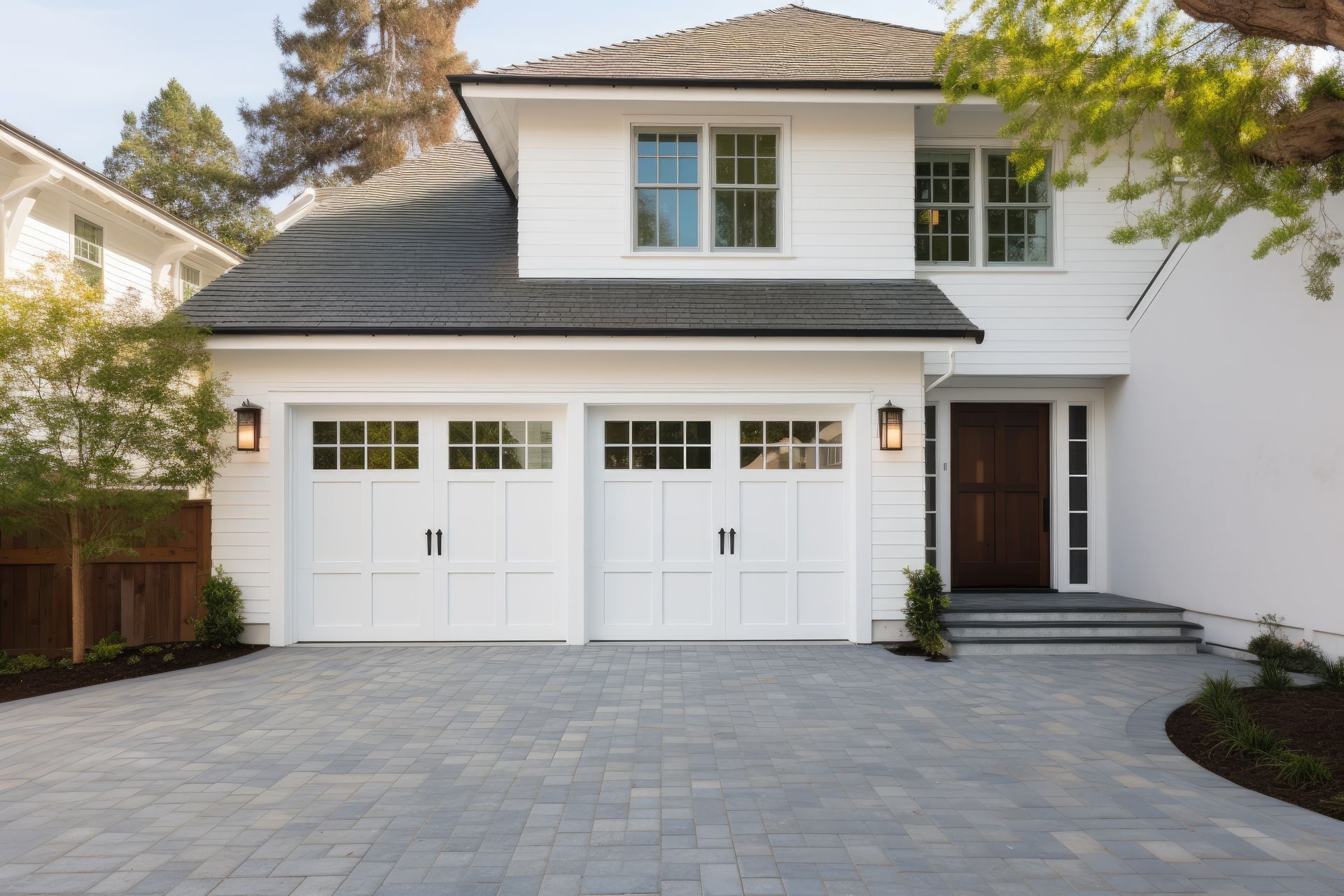
- Textured Finishes: Stamped concrete that mimics stone or brick adds visual appeal while remaining slip-resistant.
- Accessible Layouts: Circular or open designs improve mobility and reduce obstacles.
- Low-Maintenance Materials: Concrete requires less upkeep than wood decking, saving retirees time and effort.
- Shade Structures: Pergolas or umbrellas reduce glare, which can impact visibility.
- Defined Edges: Contrasting borders help define walking areas, aiding those with vision impairments.
Decorative and Safe Concrete Finishes
Many seniors worry that choosing safety-first designs means sacrificing style, but that isn’t the case. Decorative options allow outdoor spaces to remain attractive while still being secure.
- Stamped Concrete with Non-Slip Additives: Adds elegance with patterns like slate or brick while maintaining traction.
- Integral Color Mixes: Colors blended into the concrete reduce fading and avoid surface peeling common with topical paints.
- Exposed Aggregate Borders: Both practical and beautiful, they frame walkways with texture that improves safety.
- Matte Sealers: Unlike glossy finishes, matte coatings reduce glare and slipperiness.
These finishes create outdoor areas that look welcoming for guests while staying senior-friendly.
Climate Considerations for Castle Rock
Castle Rock’s weather presents unique challenges for outdoor surfaces:
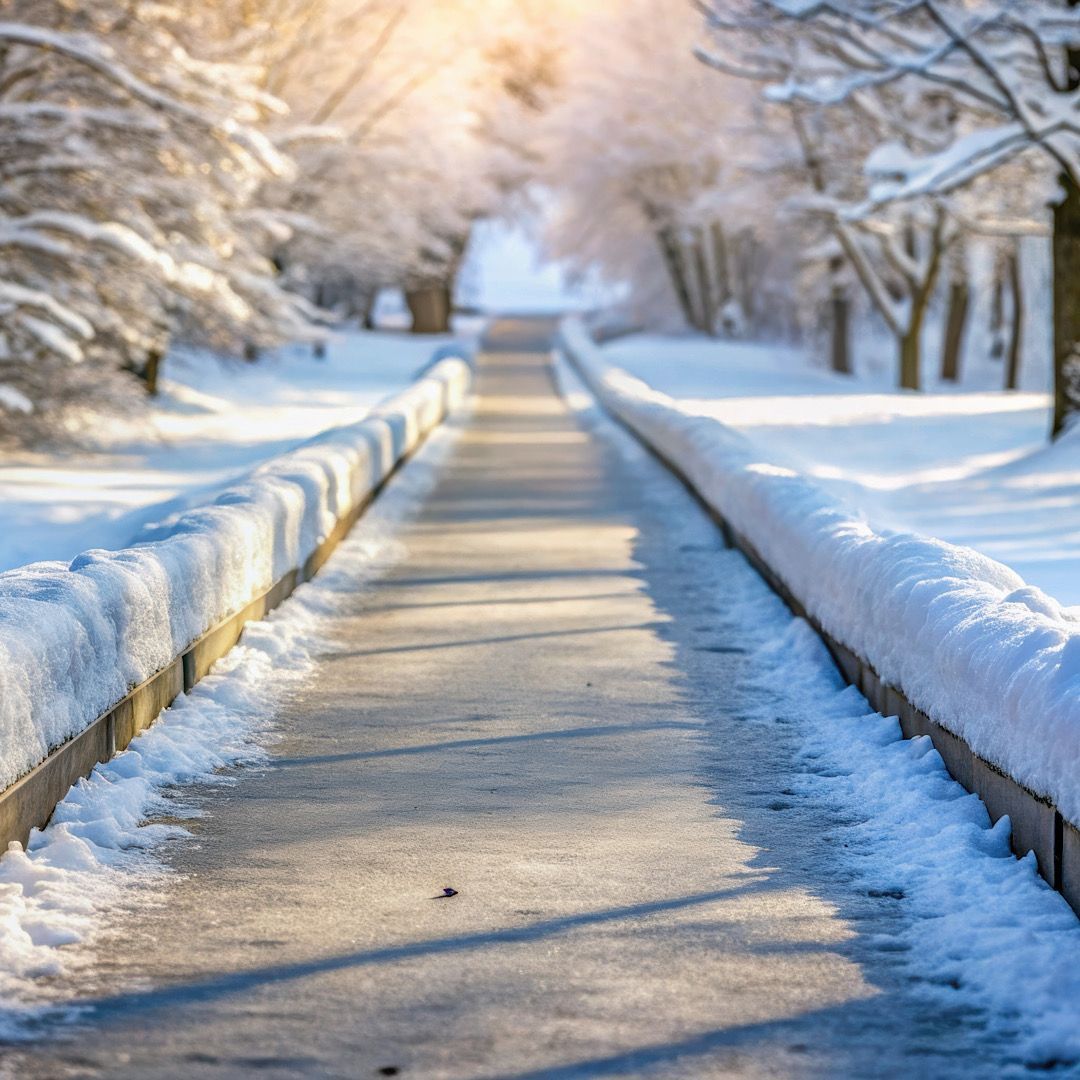
- Snow and Ice: In winter, slip-resistant finishes and proper drainage are vital to reduce hazards.
- Freeze-Thaw Cycles: Concrete mixes with air-entrainment withstand expansion and contraction without cracking.
- Sun Exposure: UV-resistant sealants protect decorative finishes from fading in the strong Colorado sun.
Designing with these factors in mind ensures patios and walkways remain safe, attractive, and functional for decades.
Common Mistakes to Avoid in Senior Patio Design
Even well-intentioned upgrades can backfire if not planned carefully. Here are pitfalls to avoid:
- Overly Smooth Surfaces: While sleek finishes may look modern, they increase slip hazards.
- Steep Slopes: Ramps with grades above 1:12 are difficult to navigate for wheelchairs or walkers.
- Narrow Walkways: Anything under 36 inches wide can feel cramped and unsafe.
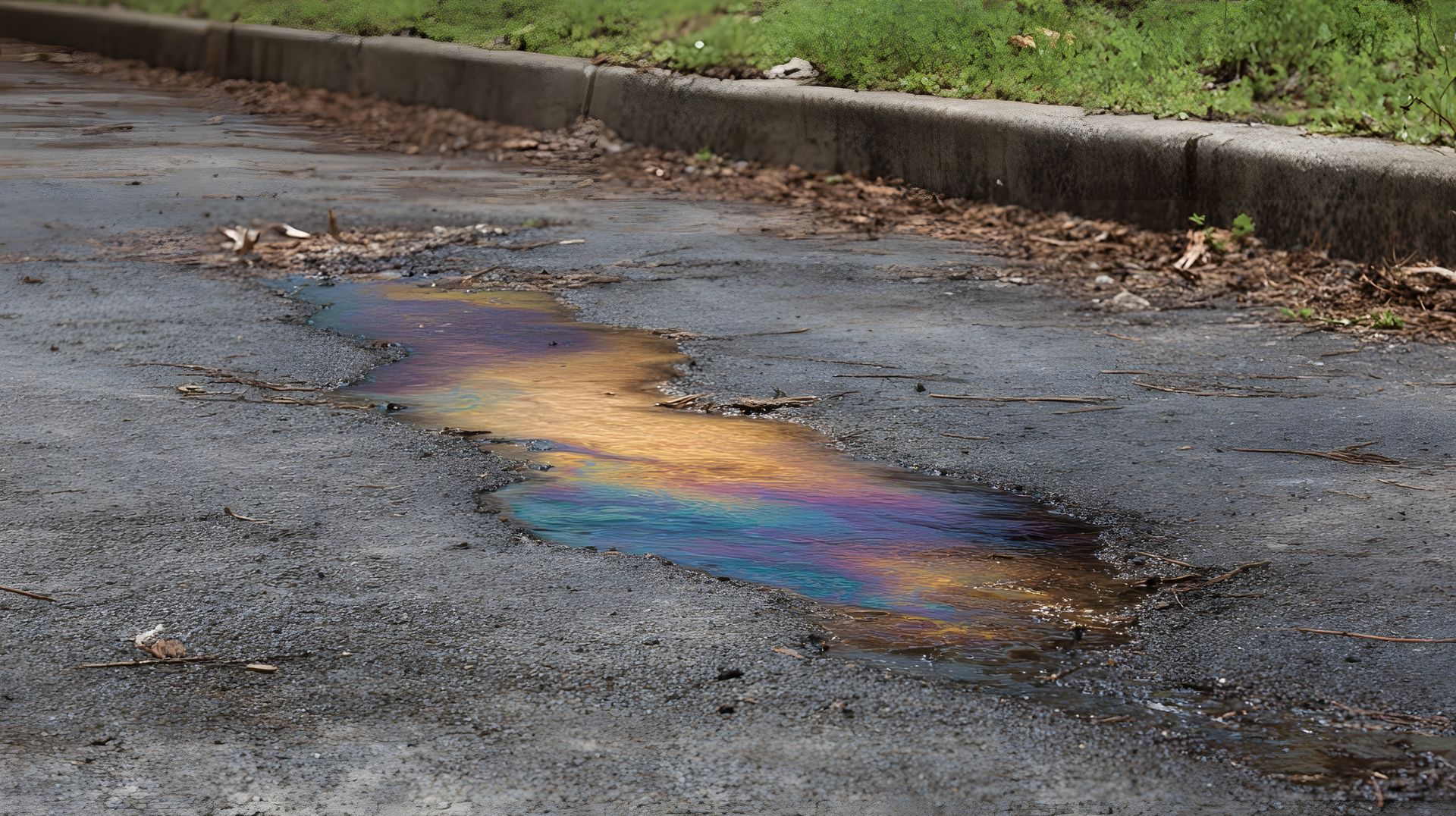
- Poor Drainage: Standing water leads to icy patches in winter, increasing fall risk.
- Dark, Glossy Finishes: These can cause glare in sunlight and create confusion for seniors with vision impairments.
Avoiding these mistakes ensures outdoor upgrades truly enhance safety and accessibility.
Maintenance Tips for Seniors
Even the safest designs require occasional upkeep. Thankfully, concrete is one of the lowest-maintenance materials available. Seniors can keep surfaces safe with a few easy steps:
- Seal Every 2–3 Years: Protects against moisture and enhances slip resistance.
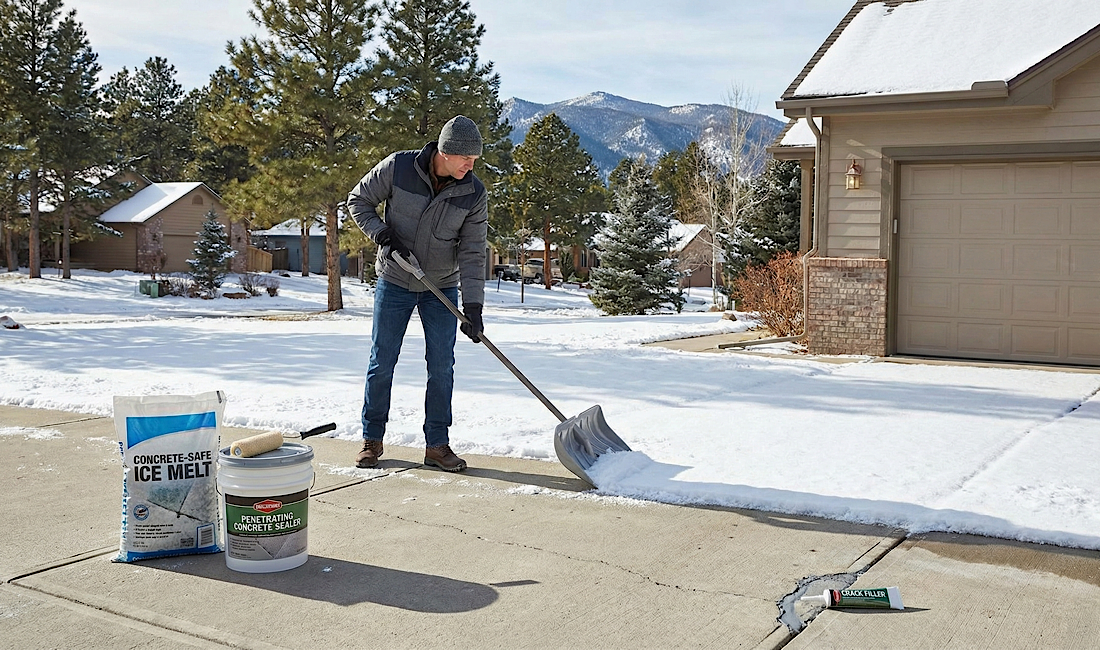
- Remove Snow Promptly: Use a plastic shovel to prevent scratches, and apply pet- and concrete-safe de-icers such as calcium magnesium acetate.
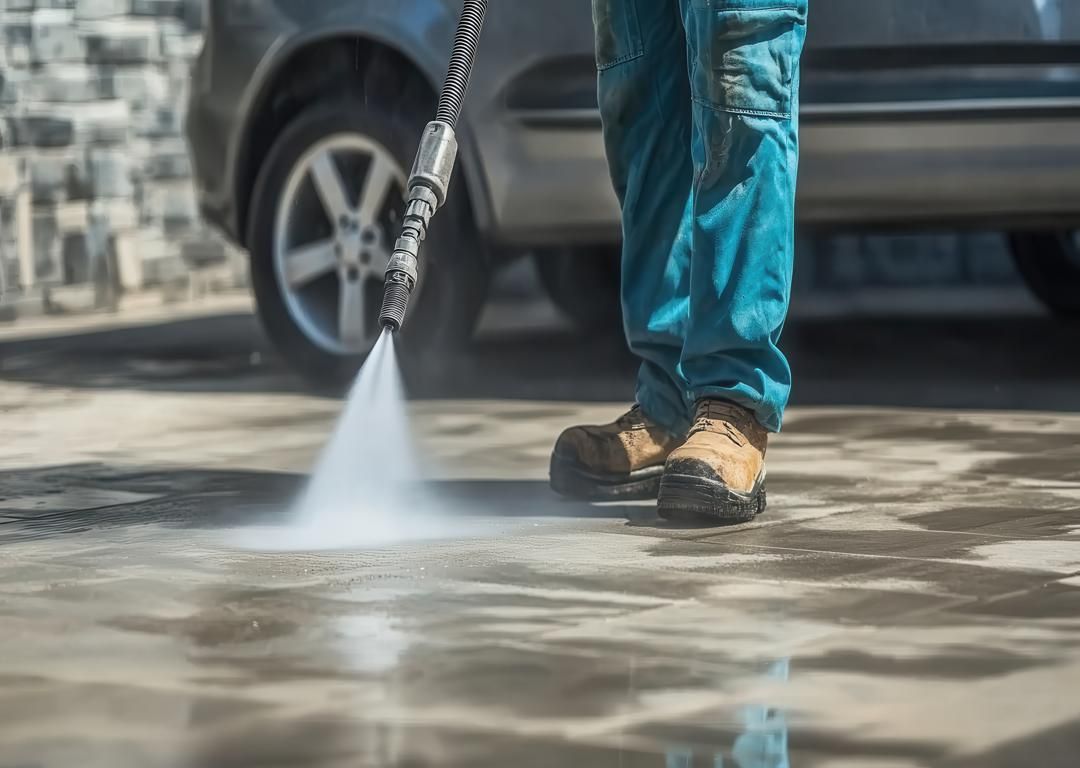
- Clean Regularly: A quick rinse or sweep keeps surfaces clear of dirt, leaves, and debris.
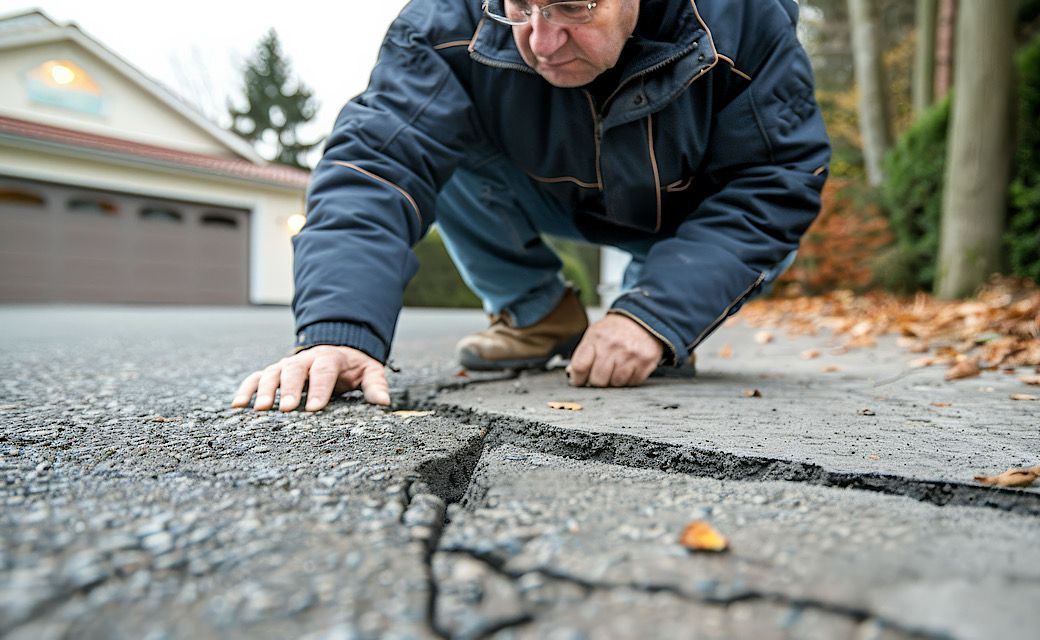
- Inspect for Cracks: Address small cracks quickly to prevent them from expanding.
These simple habits ensure outdoor areas stay safe and attractive with minimal effort.
Community and Family Benefits of Accessible Outdoor Design
Accessible patios and walkways don’t just benefit seniors—they enhance quality of life for everyone.
- Grandchildren and Guests: Safe, slip-resistant areas make outdoor gatherings easier for multigenerational families.
- Community Engagement: Accessible designs make it easier for retirees to welcome neighbours and friends, strengthening social connections.
- Aging in Place: Thoughtful upgrades reduce the need for costly future modifications or assisted living transitions.
Creating outdoor spaces that are safe and beautiful helps seniors remain active participants in their families and communities.
Why Work
With professionals like CreteWorx
Designing accessible walkways and patios requires expertise to ensure safety standards and long-term durability. Professional contractors such as
CreteWorx
in Castle Rock bring valuable knowledge about:
- Local Conditions: Understanding Colorado’s soils and weather ensures the right concrete mixes and finishes.
- Accessibility Standards: Contractors can incorporate ADA-inspired features like widths, slopes, and slip-resistant textures.
- Customization: Decorative options like stamped or stained finishes balance style with safety.
- Durability: Professional installation ensures long-lasting results, reducing the need for future repairs.
For retired homeowners,
working with a trusted contractor provides peace of mind that outdoor spaces will remain safe, functional, and enjoyable for years to come.
Frequently Asked Questions About Accessible Concrete Designs
How wide should a walkway be for accessibility?
Walkways should be at least 36 inches wide, though 48 inches or more is ideal for walkers and wheelchairs.
What’s the safest finish for seniors?
Broom finishes and exposed aggregate surfaces offer excellent traction. Non-slip sealers can also be applied for added safety.
Can existing patios or walkways be upgraded for safety?
Yes. Surfaces can be resurfaced with slip-resistant overlays, and ramps or handrails can be added to improve accessibility.
How much does it cost to install a safe concrete walkway or patio in Castle Rock?
On average, costs range from $8 to $15 per square foot, depending on design, finishes, and accessibility features.
Do slip-resistant coatings change the appearance of concrete?
No. Many additives are clear and maintain the appearance of decorative finishes while improving traction.
Are stamped or decorative concrete options safe for seniors?
Yes, as long as slip-resistant textures or additives are used during installation.
For seniors in Castle Rock, outdoor spaces should provide enjoyment, not worry. With thoughtful concrete design choices—like slip-resistant finishes, wide and accessible walkways, and gently sloped patios—retired homeowners can enjoy the outdoors with confidence.
By partnering with
professionals such as CreteWorx, seniors gain access to safe, beautiful, and durable outdoor solutions tailored to their lifestyle. These upgrades not only improve safety but also preserve independence and peace of mind, ensuring outdoor living remains a cherished part of homeownership.